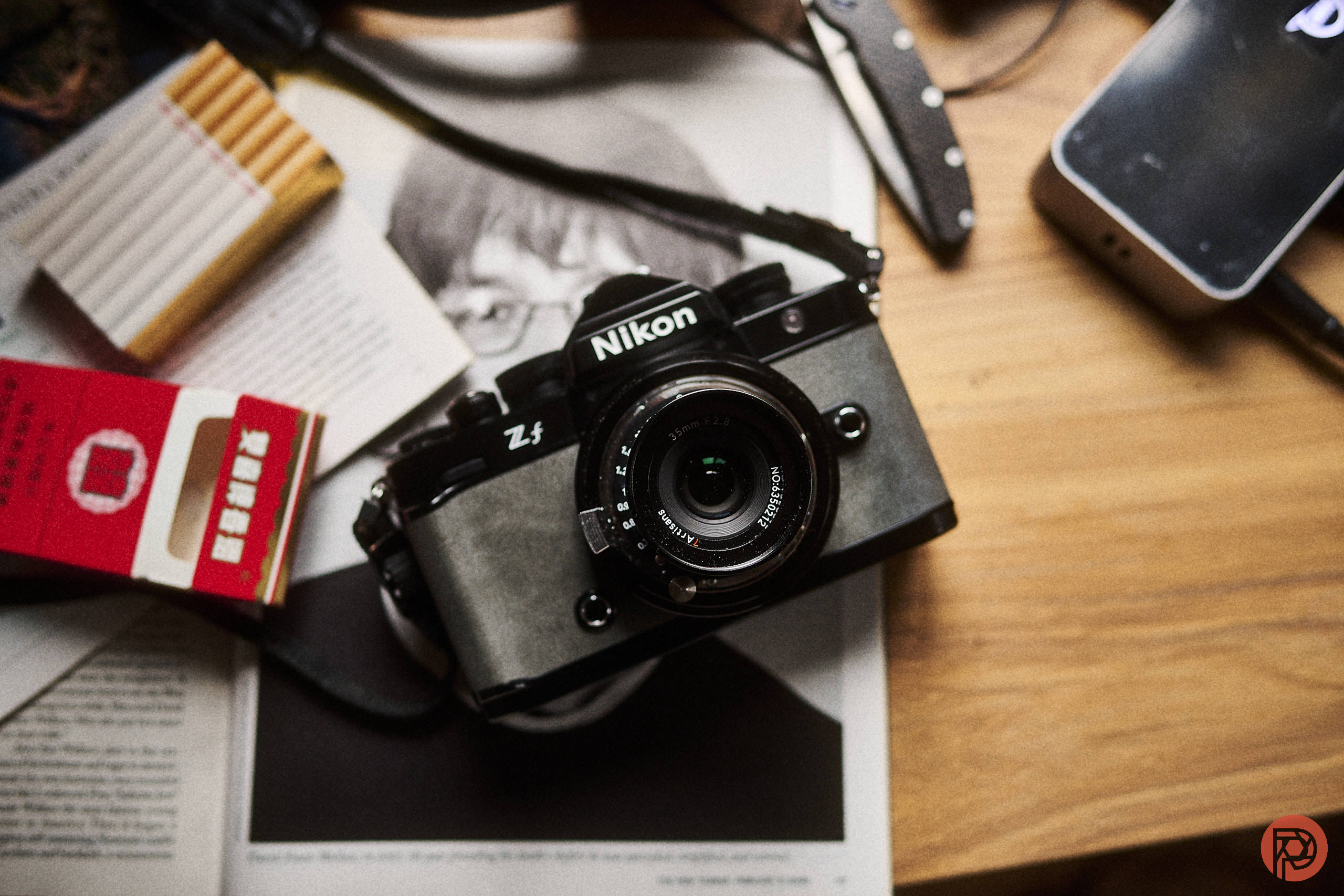
There's something quietly thrilling about watching a camera refuse to age. The Nikon Zf has been with us for a few years now, and while the industry has thrown newer, shinier bodies onto the shelves, this one keeps proving that "new" isn't the same as "better." We've been circling back to our Nikon Zf review again and again, and each time we do, we're reminded why it still holds its own against the likes of the Canon R3. That's not a nostalgic pat on the head. That's a genuine statement about where camera technology has plateaued, and where it hasn't.
The honest take here is that the Zf isn't just a good camera for its price point or a charming retro option for people who like dials. It's a legitimate tool that outclasses some higher-end models in real, practical ways. The fact that it competes with the Canon R3, a camera that costs significantly more and sits in a different class of build and speed, should make you pause. It's not that the R3 is a bad camera. It's that the Zf has reached a kind of maturity that comes from thoughtful engineering rather than constant iteration. For our readers, that means you don't need to wait for the next big thing. The next big thing is already in your hands, or it could be, for a fraction of the cost of the flagship alternatives.
What we'd tell a reader who asks, "Should I still buy this in 2026?" is simple: if you value the blend of tactile control and modern sensor performance, the Zf is not a compromise. It's a statement. It's for the person who wants the art of photography to feel like a craft again, but who also needs autofocus that doesn't embarrass itself in low light. The camera rewards patience and deliberate shooting, but it doesn't punish you for wanting to move fast when the moment calls for it. It's aspirational in the sense that it makes you want to go out and shoot, not because it's flashy, but because it's honest. And that's rare in a market that keeps chasing specs we don't actually need.
The practical consequence of the Zf's staying power is that your gear acquisition timeline just got longer, and that's a good thing. You're not falling behind if you're still shooting with one. The specific detail we'd watch is how long Nikon continues to support it with firmware updates, because that's where the real longevity will be proven. But for now, the Zf isn't just a top choice. It's the choice we'd recommend without hesitation, and we're not sure we can say that about many other cameras from its generation. The takeaway to quote: "The Zf doesn't need to be new to be better, it just needs to be used."