No Algorithms, No AI: Why the 5 Boro Foto Fest Is Different
Our take
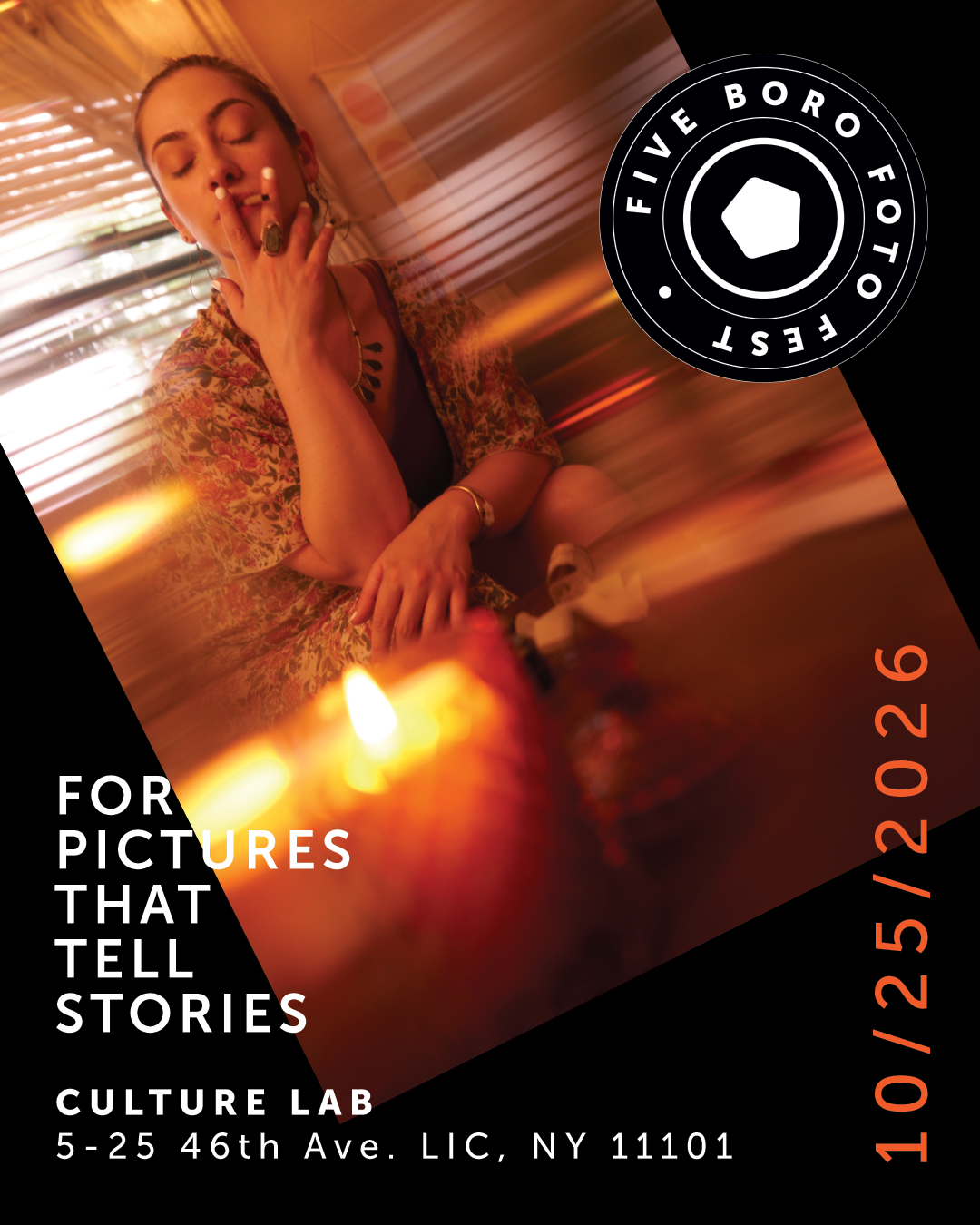
The digital landscape for art discovery has become increasingly homogenized, a predictable flow dictated by algorithms and, more recently, the unsettling rise of generative AI. Platforms once lauded for democratizing access to creativity now feel like echo chambers, serving up content designed to maximize engagement rather than foster genuine appreciation. It’s a familiar story across industries, but the implications for the visual arts are particularly poignant. We’ve seen similar concerns raised regarding music production The Rise of AI Music Generators and even literary endeavors Can AI-Generated Text Be Copyrighted? – and photography, a medium so inherently tied to human experience and observation, is not immune. The 5 Boro Foto Fest’s deliberate rejection of these trends – a commitment to showcasing only human-made photography, unequivocally free from AI generation – is a bold and necessary statement. It represents a conscious pushback against the erosion of artistic integrity and a reaffirmation of the value of the human hand and eye in creative expression.
The festival’s stance isn't simply about resisting technological advancement; it’s about preserving the essence of photography as a form of storytelling rooted in lived experience. Algorithms, however sophisticated, can only curate based on patterns and data. They lack the nuanced understanding of intent, emotion, and the subtle beauty that often resides in the imperfections of a human-captured image. Generative AI, meanwhile, fundamentally undermines the core principles of the medium by creating images that are simulations, not reflections of reality. The act of photography, historically, has been about framing a moment, interpreting a scene, and translating that perception into a tangible form. The 5 Boro Foto Fest champions this tradition, reminding us that the power of photography lies not in its technical perfection, but in its ability to convey a unique perspective, a human narrative. Consider the debate around authenticity in digital art generally – the conversation is complex and evolving, but the core concern remains: what does it mean to create something genuinely *new* in an age of endless replication and simulation? The Question of Authenticity in the Digital Age
The festival's existence speaks to a growing desire for authenticity within the art world. Audiences are becoming increasingly discerning, recognizing the difference between manufactured content and genuine creative expression. There’s a fatigue with the glossy, often sterile aesthetic produced by algorithms and AI, a longing for something more real, more human. This isn’t to say that technology has no place in photography; digital tools have undoubtedly expanded the possibilities of the medium. However, the 5 Boro Foto Fest’s focus on human-made photography highlights the importance of maintaining a clear distinction between augmentation and replacement. It serves as a vital reminder that technology should enhance the creative process, not supplant the artist altogether. The curation itself – the deliberate selection of photographers and their work – becomes a powerful act of advocacy, a statement of values in a rapidly changing landscape.
Looking ahead, the success of the 5 Boro Foto Fest could signal a broader shift in the art world. Will we see more festivals and platforms emerging that prioritize human-made art and actively resist the influence of algorithms and AI? The demand for authenticity suggests it’s a possibility, and perhaps even a necessity. The question remains: how can we cultivate spaces that celebrate human creativity while embracing the technological advancements that can potentially enrich it, without sacrificing the core values that make art meaningful? The festival's commitment to real photography offers a compelling model for a future where art remains a testament to the human spirit, not a product of artificial intelligence.
Read on the original site
Open the publisher's page for the full experience