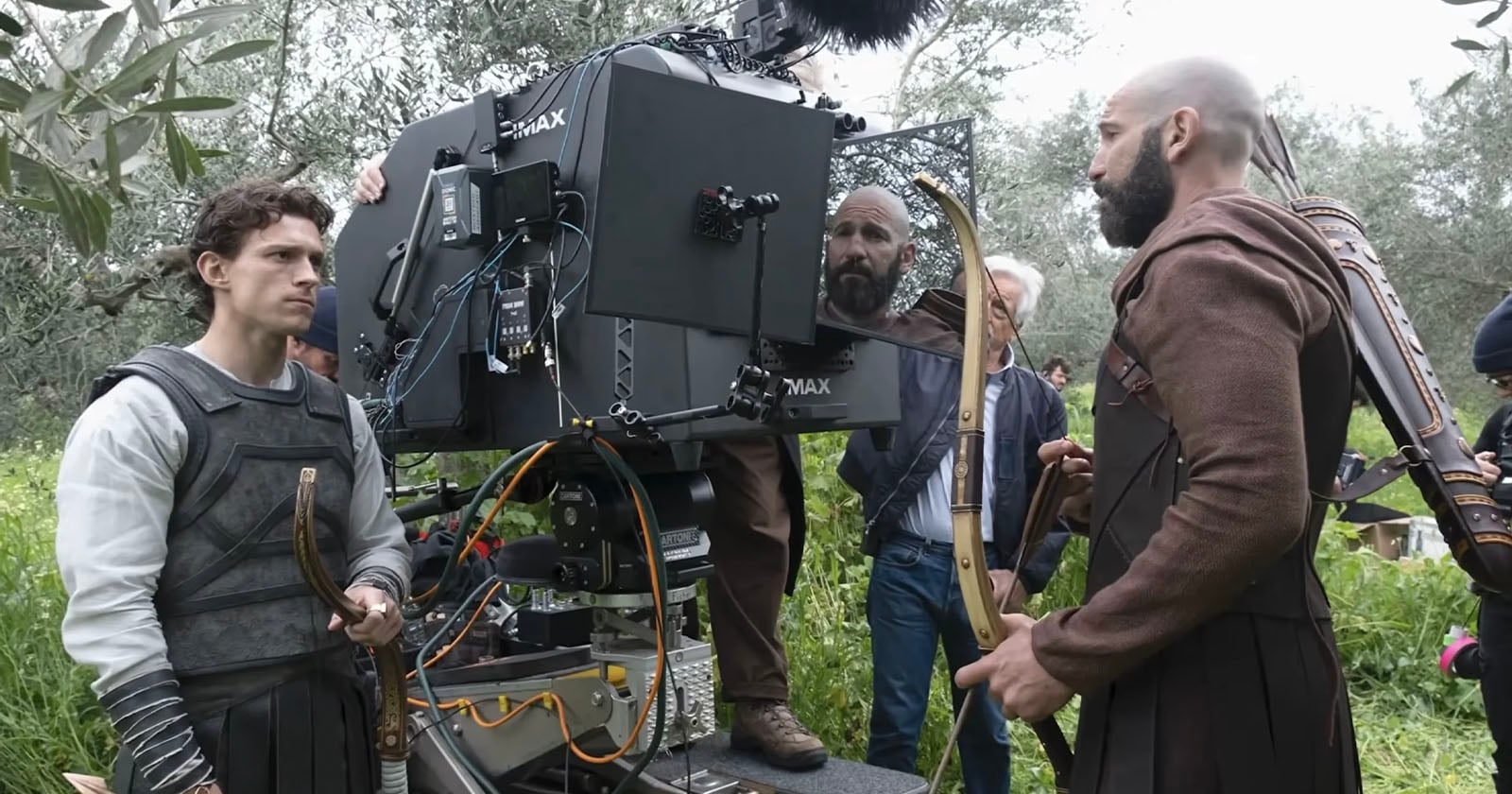
There is something profoundly honest about a director who refuses to hide the machinery of his craft. Christopher Nolan has revealed that the cast of *The Odyssey* required a mirror system to see around the enormous 70mm IMAX cameras during filming, a logistical workaround born from a creative obsession. This is not a tale of technological triumph, but of artistic discipline. Nolan could have opted for smaller, more agile cameras. He could have prioritized actor comfort over image fidelity. Instead, he chose the heavy, unwieldy, breathtakingly detailed path. For those of us who believe that the medium itself shapes the message, this choice resonates. It echoes the philosophy behind Embrace the Drama: Exploring the Allure of Ultra-Low ISO Film, where photographers willingly sacrifice speed and convenience for a grain structure and tonal depth that no digital sensor can replicate. Both decisions are acts of rebellion against the frictionless, the easy, the ordinary.
What strikes us most is the mirror system itself. It is a humble solution, reflective glass, angled sightlines, a bit of clever engineering, deployed to solve a problem that most productions would simply avoid by scaling down. Nolan, however, treats the camera not as a passive recorder but as an active participant in the scene. The actors must learn to perform *with* the instrument, not despite it. This approach mirrors the ethos behind Elevate Your Vision: PolarPro’s Radial Filters Reimagine In-Camera Color, where the goal is to capture a look physically rather than fix it later in post. There is a shared belief here: that constraints, when embraced, yield a richer authenticity. For the actor, that mirror is a limitation. For the audience, it is the invisible hand that delivers a frame so immersive you forget you are watching a film.
Our take is simple: this matters for anyone who creates, not just for cinephiles. Whether you are a photographer choosing film over digital, a stylist curating a shoot with deliberate lighting, or a fitness enthusiast building a practice around form rather than speed, the lesson is the same. The most compelling work often comes from refusing the shortcut. Nolan could have shot *The Odyssey* with digital cameras and green screens. He chose a process that demands more from everyone involved. That decision elevates the entire production, turning a technical hurdle into a shared artistic language. It is a reminder that authenticity is not a marketing buzzword, it is a set of difficult choices made visible.
We will be watching closely to see how this approach translates to the finished film. The mirror system is a fascinating footnote, but the real question is whether the audience feels the weight of that 70mm frame, the presence of the camera, the absence of digital convenience. If Nolan succeeds, *The Odyssey* will not just be a story told, it will be an experience earned, one reflection at a time.