Now that Generative AI Is the Villain, Luminar Is Spinning Its Messaging
Our take
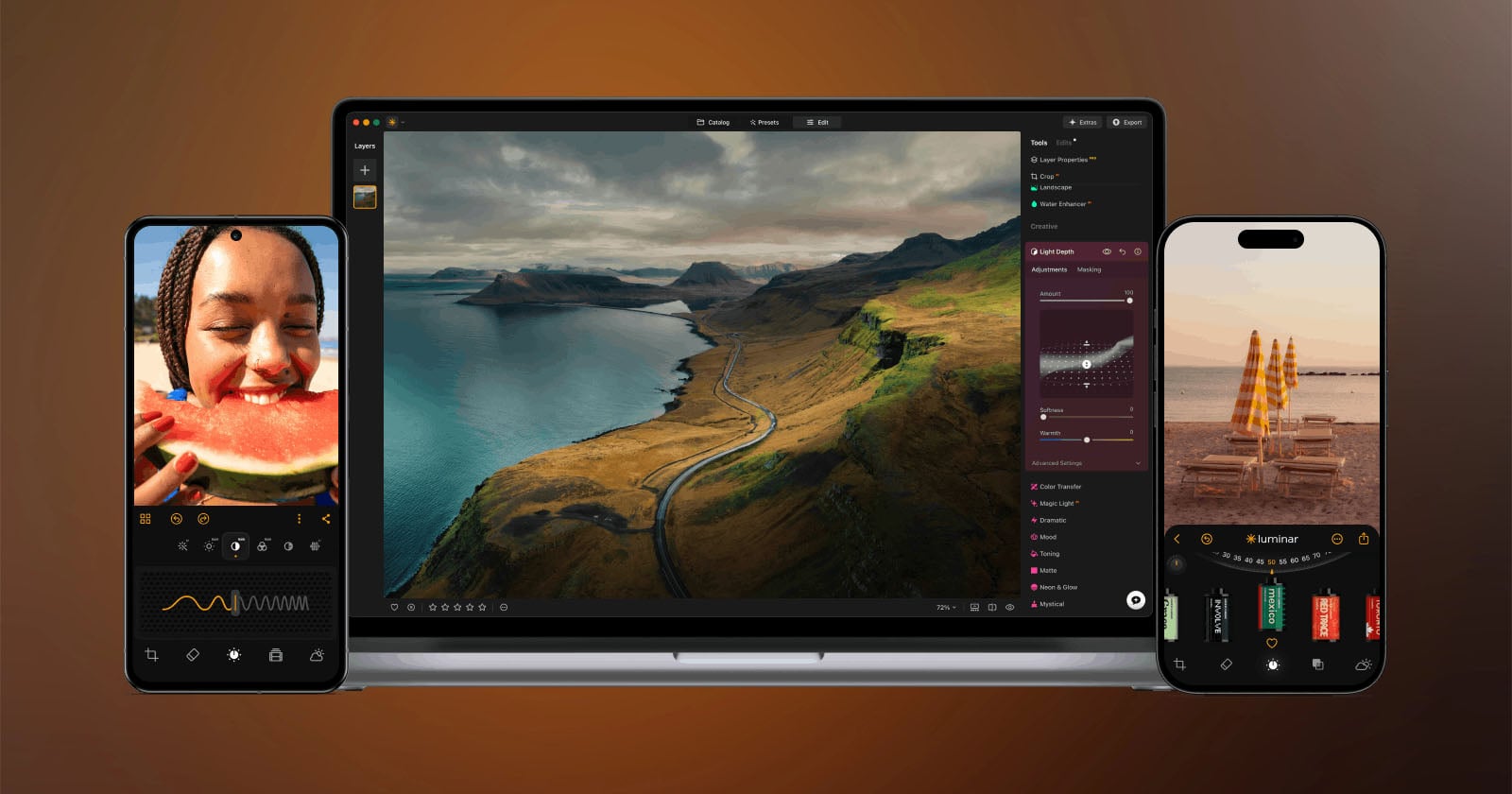
The current climate surrounding generative AI is undeniably shifting, and Skylum’s pivot with Luminar is a fascinating, if perhaps predictable, response. The anxieties surrounding AI’s potential to devalue human creativity and flood the market with synthetic content are palpable – evidenced by articles like How Does AI Change Your Brain? ‘It’s Like TikTok and Fentanyl Had a Baby’, which highlights the potentially detrimental impact on cognitive function, and the growing skepticism regarding authenticity in creative processes. Luminar, having built its foundation on AI-powered photo editing, now finds itself needing to reassure its user base that their artistry remains central to the process, rather than being supplanted by algorithms. This isn’t merely a PR adjustment; it’s a strategic realignment in a landscape where the very definition of ‘creator’ is being challenged. The move suggests a recognition that the initial excitement around effortless AI image generation is giving way to a more nuanced understanding – and apprehension – about its long-term implications.
The brilliance of Luminar’s initial appeal lay in its ability to democratize complex editing techniques, offering accessibility to a wider audience. However, the recent surge in generative AI tools, capable of producing entirely novel imagery from simple prompts, has fundamentally altered the equation. The ease with which anyone can now conjure a photorealistic landscape or portrait threatens to diminish the perceived value of skill and effort traditionally associated with photography and editing. It’s a sentiment echoed in pieces like Because Photoshoots with LEDs are Brain Rot…Try This, which critiques the increasingly artificial and detached nature of contemporary creative processes, a trend accelerated by AI. Skylum’s shift, then, isn't about abandoning AI altogether, but rather emphasizing its role as a *tool* that *augments* human creativity, rather than replacing it. This framing is crucial for retaining the loyalty of photographers who value the craft and the intentionality behind their work.
This repositioning highlights a broader trend within the creative technology space. Companies are increasingly realizing that simply offering AI-powered solutions isn't enough; they must actively address the anxieties surrounding their use. The challenge lies in demonstrating how these technologies can empower creators without undermining their agency or devaluing their expertise. It’s a delicate balancing act – leveraging the efficiency and capabilities of AI while simultaneously reinforcing the importance of human vision and artistic judgment. The success of this strategy will depend on Luminar’s ability to convincingly communicate that its AI features are designed to enhance, not supplant, the photographer's creative process. Westcott's expansion of its FJ Wireless Lighting System Westcott Expands FJ Wireless Lighting System, demonstrates a continuing demand for traditional tools and equipment, reinforcing the notion that human control and tangible processes still hold significant value.
Ultimately, Luminar's messaging evolution serves as a microcosm of the larger conversation surrounding AI and creativity. The initial rush to embrace automation is giving way to a more considered evaluation of its impact, and a renewed appreciation for the human element. The question now isn’t whether AI will be integrated into creative workflows – that’s already a reality – but rather how we can ensure that these tools serve to amplify, rather than diminish, the power of human expression. Will the industry continue to refine this narrative of augmentation, or will the perception of AI as a threat to creative livelihoods ultimately prove insurmountable, forcing further shifts in strategy and product development?
Skylum, best known for its AI-powered photo editing software Luminar, is grappling with today's increasingly negative attitude toward artificial intelligence by changing its messaging to double-down on human creativity.
Read on the original site
Open the publisher's page for the full experience