NPPA Raises Constitutional Concerns Over FAA’s Proposed Drone Limits
Our take
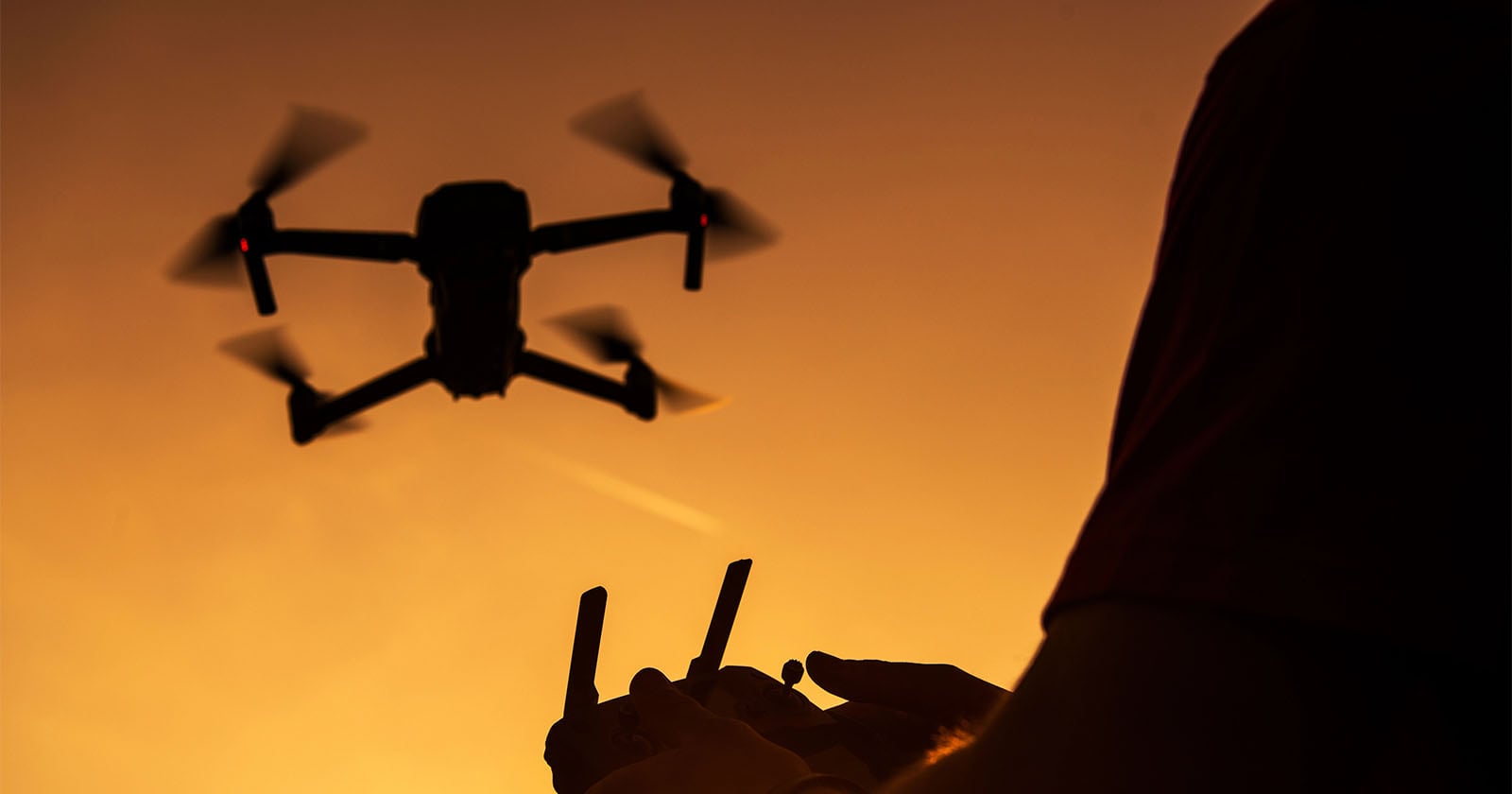
The FAA’s recent proposal to restrict drone operations over critical infrastructure sites, framed as a necessary measure for "safety and security," raises significant concerns, particularly regarding the chilling effect on newsgathering and First Amendment protections. This isn’t merely an administrative adjustment; it represents a potential constriction of journalists’ ability to document events of public importance. It’s a development amplified by ongoing shifts impacting the creative landscape, such as the impending [Copyright Office Will Increase Photo Registration Cost by 55% in 120 Days]—further complicating the financial and legal realities of visual storytelling. The NPPA's forceful response, filing comments highlighting these constitutional implications, underscores the gravity of the situation. This proposed rule change isn't happening in a vacuum; it comes alongside increasing scrutiny and regulation of visual media, and its impact could ripple far beyond the immediate restriction of drone use. We’ve also seen similar regulatory pressures emerge in different creative spaces, as evidenced by recent discussions surrounding AI image generation and its potential impact on copyright, a situation that mirrors the balancing act the FAA is attempting – albeit with vastly different legal frameworks.
The core of the NPPA’s argument is compelling: the proposed restrictions could effectively create “no-fly zones” around vital infrastructure, preventing journalists from capturing crucial footage of accidents, protests, or other newsworthy events. While the FAA’s stated intention is to enhance security, the potential for this to be used to limit public access to information is undeniable. Consider the implications for reporting on environmental disasters near power plants, documenting infrastructure failures, or covering protests near government facilities. The ability to quickly and safely gather aerial footage is often critical for conveying the scale and scope of these events. The FAA’s approach seems to prioritize security above the public’s right to know, a trade-off that demands careful scrutiny. Furthermore, the vagueness of "critical infrastructure" leaves significant room for interpretation, potentially leading to inconsistent enforcement and further ambiguity for news organizations attempting to navigate the regulations. The financial burden of compliance, potentially adding to the already complex landscape outlined in [Copyright Office Will Increase Photo Registration Cost by 55% in 120 Days], is another significant consideration.
This situation highlights a broader tension between government security interests and the vital role of a free press. While security concerns are legitimate and should be addressed, they cannot be allowed to override constitutional protections. The FAA’s proposal raises the question of how to balance these competing interests effectively. A more nuanced approach might involve targeted restrictions based on specific, demonstrable threats, rather than blanket prohibitions that impact all drone operations. The need for clear, narrowly tailored regulations is paramount, ensuring that legitimate newsgathering activities are not unduly hampered. Moreover, a transparent and collaborative process involving journalists, legal experts, and privacy advocates is essential to developing regulations that are both effective and respectful of First Amendment rights. The current proposal feels reactive, lacking a thoughtful consideration of the potential consequences for the media landscape, especially as visual storytelling continues to evolve, as demonstrated by the complexities surrounding AI-generated content and the need for evolving copyright protections.
The FAA’s actions, viewed within the larger context of increasing regulation of visual media and the complex legal and financial considerations facing creatives, paint a picture of a tightening landscape. The outcome of this debate will likely set a precedent for how similar conflicts between security and freedom of the press are resolved in the future. Will the FAA revise its proposal to better address the NPPA’s concerns, or will this become a landmark case testing the limits of First Amendment protections in the age of drones? The evolving legal and regulatory frameworks surrounding drone use and visual content creation warrant close observation, particularly as technology continues to advance and the lines between professional and amateur image capture blur, and as we continue to grapple with the financial realities of creative work as highlighted by the upcoming changes to [Copyright Office Will Increase Photo Registration Cost by 55% in 120 Days].
The United States Federal Aviation Administration (FAA) has proposed rule changes to restrict drone operations over critical infrastructure sites, citing "safety and security." The National Press Photographers Association (NPPA) filed a new set of comments on the proposed rule changes, raising concerns about potential impact on First Amendment-protected newsgathering.
Read on the original site
Open the publisher's page for the full experience