NYC Gallery Sold an AI-Generated Ansel Adams Photo Without Permission
Our take
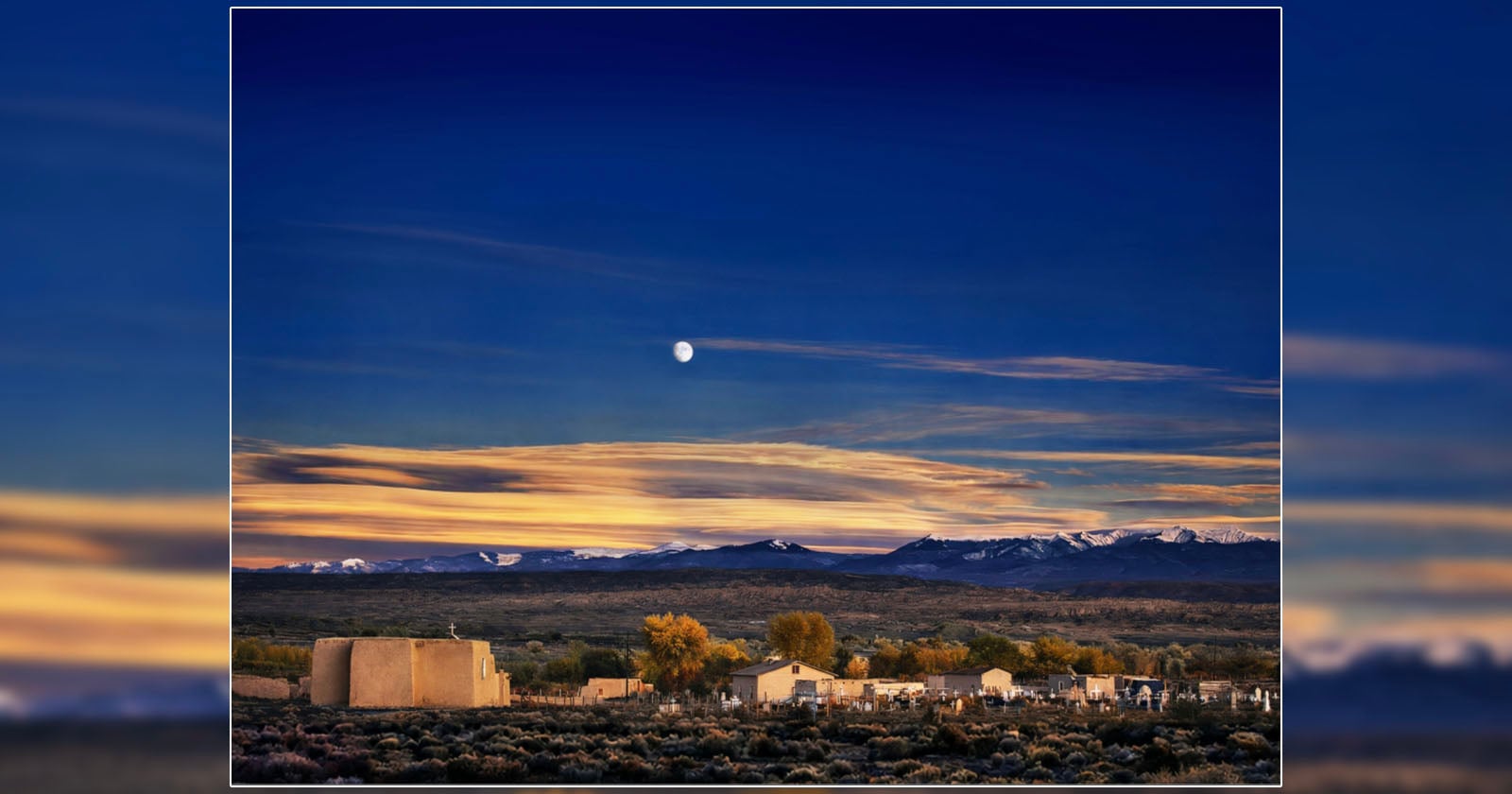
The recent incident involving the New York Danziger Gallery, which displayed an AI-generated version of Ansel Adams' iconic photograph "Moonrise Over Hernandez" without the necessary permissions, raises significant questions about authorship, artistic integrity, and the ethical implications of artificial intelligence in the creative sphere. This controversy underscores the ongoing debate about the intersection of technology and art, particularly as it relates to the rights of original creators. As we ponder the implications of such actions, it’s essential to reflect on how this fits within the broader context of our evolving relationship with photography and digital art. For those who cherish the art of photography, this incident strikes at the heart of what it means to create and to honor the craft, as explored in articles like Do you still enjoy photography or just chase better shots now? and Shooting below f/2.8 is illegal..
This situation becomes even more alarming when considering the legacy of Ansel Adams, a figure revered not only for his breathtaking landscapes but also for his profound contributions to the dialogue surrounding environmentalism and photography as an art form. The Danziger Gallery's decision to sell an AI iteration of one of Adams' works without consulting the photographer's trust feels like a betrayal of the foundational principles that guide artistic expression. It raises the question: can a digital reproduction, generated by algorithms, truly honor the spirit of the original? In an age where technology can produce lifelike images with astonishing ease, we must ask ourselves whether the essence of artistry is being diluted in the quest for profit.
Moreover, the implications of this event extend beyond the gallery walls. As AI becomes more integrated into creative industries, the potential for misuse grows. The line between inspiration and infringement blurs, leaving artists vulnerable to exploitation by entities that may prioritize profit over respect for intellectual property. It also invites us to consider how emerging technologies can coexist with traditional forms of artistry. Are we prepared to embrace a future where the value of art is determined not only by the creator but also by the technology that aids its production? This question is particularly relevant for those who engage with photography as a passion, as seen in conversations surrounding tools like the Sony 100-400mm f/4.5 GM OSS Review: Zoom Zoom.
As we navigate these complex dynamics, it’s crucial to advocate for the rights of artists in the face of technological advancement. The situation with the Danziger Gallery serves as a stark reminder of the need for clear ethical guidelines and legal frameworks that protect creators' rights while allowing innovation to flourish. Looking forward, it will be vital to establish a dialogue among artists, technologists, and policymakers to ensure that the evolution of art in the digital age upholds the values of authenticity, respect, and creative integrity. How we respond to incidents like this will shape the future landscape of art and technology, defining what it means to create in an increasingly automated world.
The New York Danziger Gallery displayed for sale an AI-generated version of Ansel Adams' photo "Moonrise Over Hernandez" without consulting the photographer's trust, effectively stealing the legendary artist's work and dramatically altering it with AI for the sake of profit.
Read on the original site
Open the publisher's page for the full experience