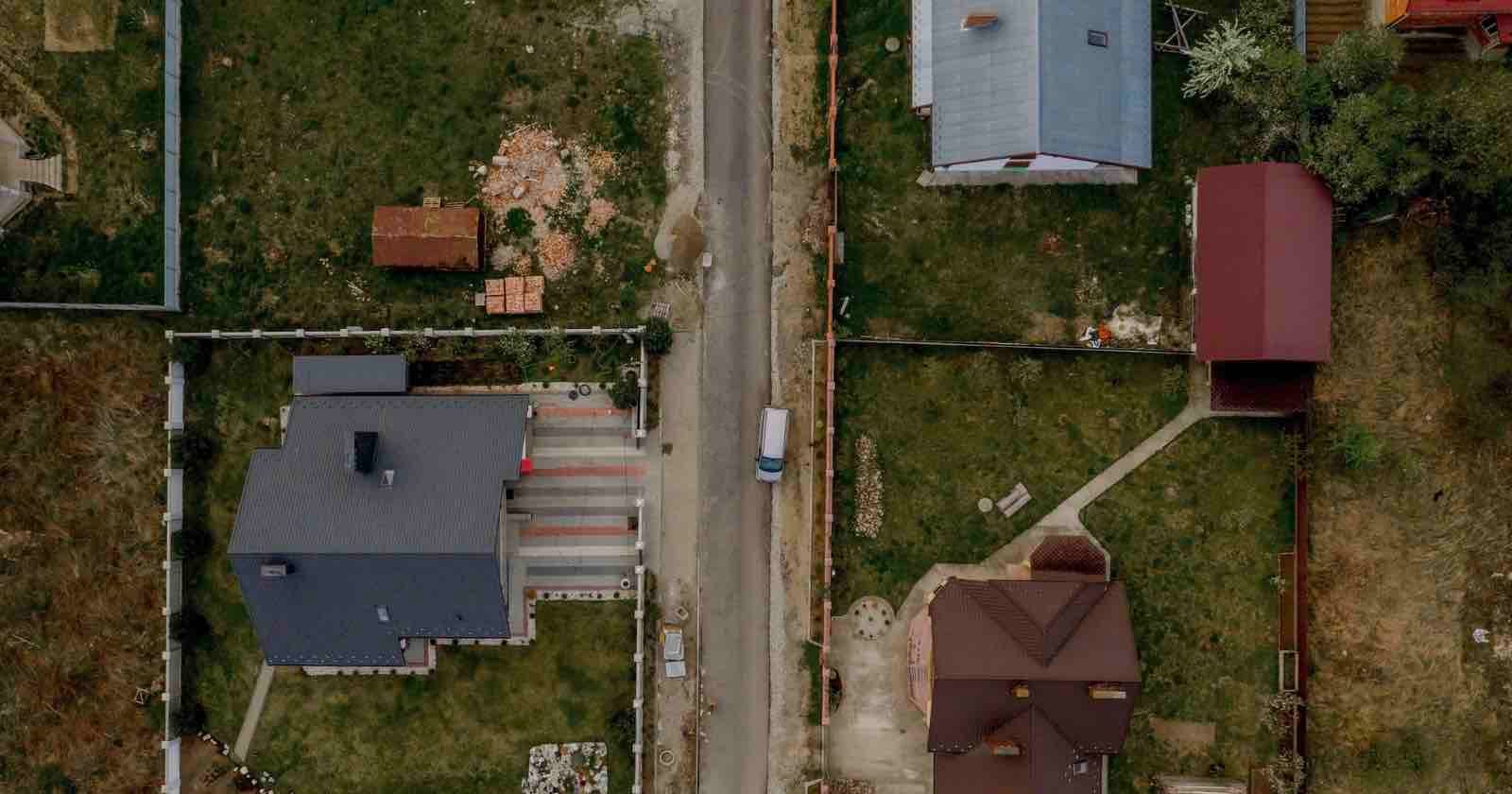
Our Take: A New Perspective on Property Tax Assessments
The evolving landscape of property tax assessment in Oklahoma is taking a distinctly modern turn, with lawmakers contemplating a bill that could redefine how valuations are conducted. The proposal suggests leveraging advanced technology, specifically aerial photography and satellite imagery, as a primary tool for assessing property taxes, potentially bypassing traditional in-person inspections. This shift represents a significant departure from established practices, aiming to streamline the assessment process through digital means. The core idea is to utilize high-resolution imagery to gather crucial data about properties, such as size, additions, and changes in landscape, thereby informing tax valuations. This approach promises a more efficient and potentially cost-effective method for tax authorities to maintain accurate property records.
This technological integration into a fundamental civic duty sparks a fascinating dialogue about efficiency, accuracy, and the very essence of public service. The allure of aerial assessments lies in their capacity to cover vast geographical areas quickly, offering a consistent and objective overview. For a state like Oklahoma, with its diverse terrain and numerous properties, the ability to conduct broad-stroke assessments from above could be a game-changer. It speaks to a desire for a more contemporary approach, one that embraces innovation to serve the public good. The aspiration is to create a system that is not only more nimble but also more equitable, ensuring that all properties are evaluated with a standardized, data-driven approach, free from the potential for human error or inconsistency inherent in manual site visits.
However, as we embrace this forward-thinking initiative, it's important to consider the nuances. While the efficiency gains are undeniable, the human element in understanding the unique characteristics of a property can sometimes be lost from an elevated viewpoint. The vibrancy of a community, the subtle details that contribute to a property's authentic character, and the lived experience of its inhabitants are best understood through direct engagement. The challenge, therefore, lies in finding a harmonious balance – one where technological prowess enhances, rather than replaces, the essential understanding of individual properties and their place within the broader community fabric. This new perspective offers an opportunity to reimagine efficiency, but it must be guided by a commitment to maintaining the authentic connection between assessment and the lived reality of Oklahoma's diverse properties.