Old Photos Show How Air Conditioned Movie Theaters Birthed the Summer Blockbuster
Our take
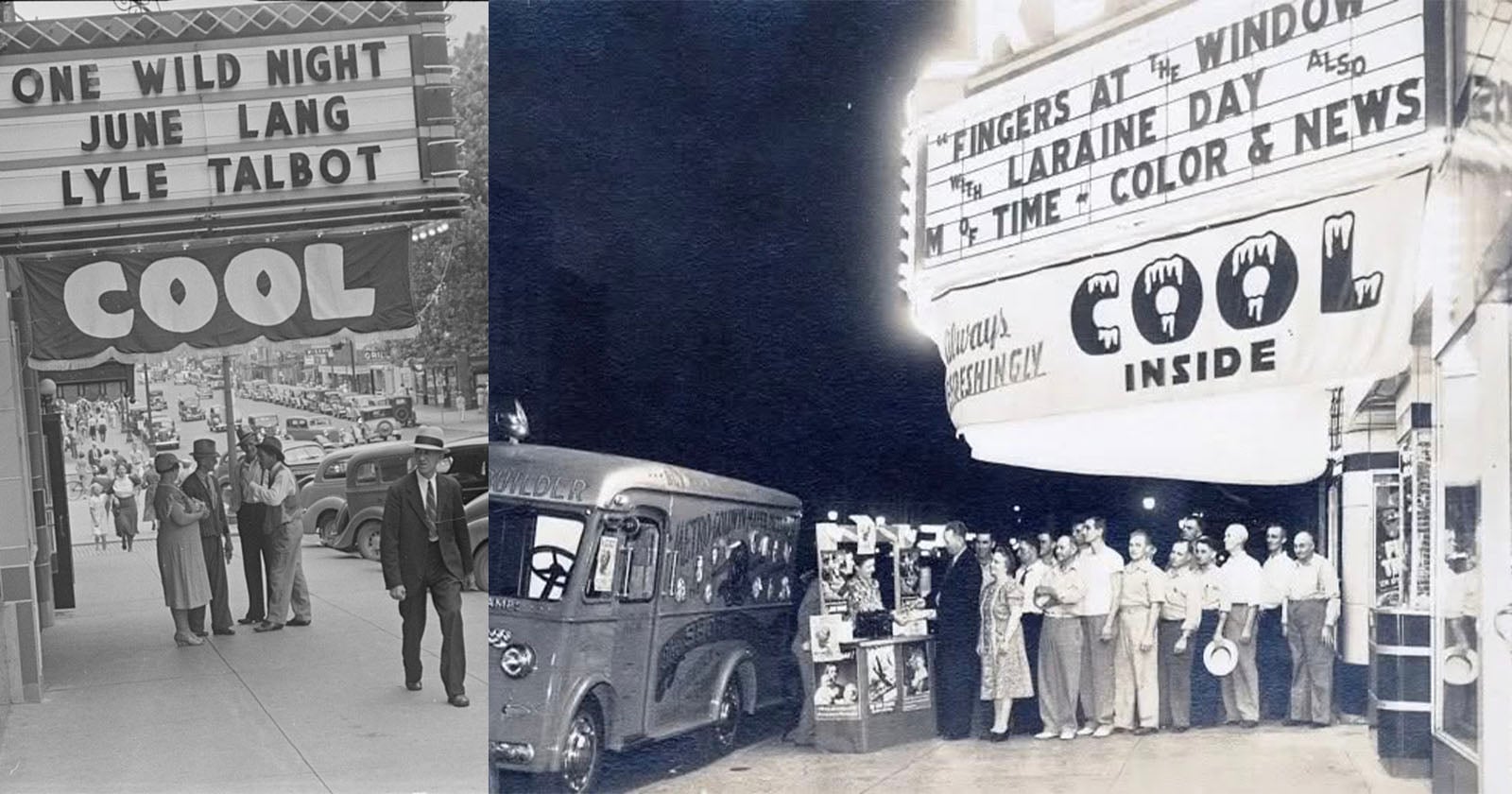
The seemingly simple innovation of air conditioning in movie theaters holds a surprisingly profound connection to the modern summer blockbuster phenomenon. It's easy to overlook the historical context, to assume that massive summer releases are simply a product of escalating marketing budgets and franchise building. However, as this fascinating piece on PetaPixel reveals, the foundation was laid decades ago, driven by a desire to offer respite from the sweltering summer heat. Before widespread air conditioning, movie attendance plummeted during the hottest months. Theaters were often empty, struggling to stay afloat. The introduction of cool, comfortable environments transformed the cinematic experience, making it a desirable escape rather than an uncomfortable ordeal. This wasn’t just about comfort; it was about fundamentally altering audience behavior and creating a new revenue stream. The article’s visual evidence—those vintage signs proudly proclaiming “Always refreshingly cool inside”—are powerful reminders of this pivotal shift. It’s a compelling example of how technological advancements, initially intended to improve customer experience, can inadvertently reshape entire industries. Consider how the evolution of cinema itself is chronicled in The Enduring Appeal of the Silver Screen – the shift from nickelodeons to grand movie palaces and, now, to climate-controlled havens, reflects evolving societal needs and expectations.
The impact of air-conditioned theaters wasn't immediate, of course. It took time for the technology to become widespread and affordable. But once it did, studios began to recognize the potential for increased summer revenue. This realization spurred a gradual shift in release strategies, with more films being released during the summer months. Initially, these weren't necessarily the massive spectacles we associate with the term "blockbuster" today. They were simply films that benefited from the increased foot traffic. However, as competition intensified, studios started investing more heavily in summer releases, creating bigger, bolder, and more visually impressive films designed to draw audiences in droves. The concept of the "event movie" was born, fueled by the allure of escaping the summer heat in a cool, dark theater. This historical development echoes the current discussions around streaming and theatrical releases – the need to provide a unique and compelling experience to draw audiences away from home entertainment. We explored similar shifts in consumer behavior in The Changing Landscape of Entertainment, highlighting the ongoing battle for audience attention. The rise of summer blockbusters demonstrates that the key is consistently adapting to evolving consumer preferences and leveraging technological advancements to deliver an experience that's simply unavailable elsewhere.
The legacy of air-conditioned movie theaters extends beyond just the summer blockbuster. It fundamentally altered the relationship between audiences and cinema, transforming it from a seasonal pastime to a year-round entertainment option. It also laid the groundwork for the modern cinematic experience, with its focus on spectacle, immersive environments, and premium amenities. Think about the current push for luxury movie theaters with reclining seats, gourmet food, and enhanced sound systems – these are all direct descendants of the initial effort to make moviegoing a more comfortable and appealing experience. The core principle remains the same: create an environment that draws people in and keeps them engaged. This focus on the overall experience is also evident in the rise of themed entertainment parks, where creating a fully immersive environment is paramount. For a deeper look into the evolution of entertainment venues, see The Future of Immersive Experiences. The air conditioning revolution wasn't just about temperature; it was about creating a destination, a refuge, and a shared cultural experience.
Looking ahead, it’s fascinating to consider how the rise of virtual reality and other immersive technologies might further reshape the cinematic landscape. Will the physical movie theater, once revitalized by air conditioning, face a new existential challenge? Or will it evolve once again, adapting to provide an experience that’s simply impossible to replicate at home? Perhaps the future lies in combining the physical and digital realms, creating hybrid experiences that leverage the best of both worlds. The story of the summer blockbuster, rooted in a simple solution to a summer heat problem, serves as a potent reminder of the dynamic and unpredictable nature of entertainment—and the enduring power of innovation to reshape our cultural habits.
"Always refreshingly cool inside," reads a board outside the movie theater. The photo, taken around 1940, is a clue to how the summer blockbuster got started.
Read on the original site
Open the publisher's page for the full experience