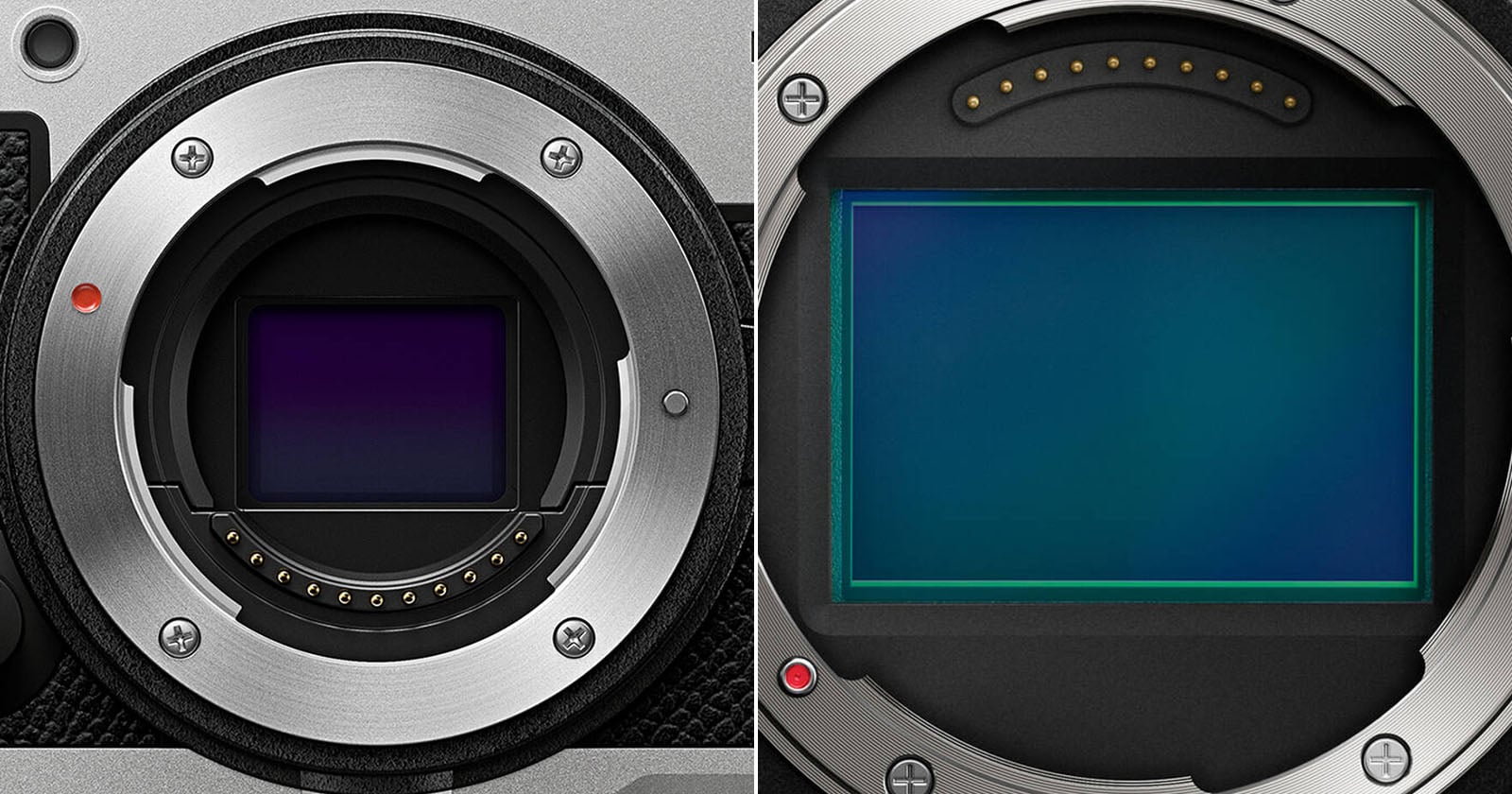
OM Digital Solutions is right to defend Micro Four Thirds, and right to keep asking what a larger sensor would actually buy its photographers. In a Japanese-language interview on OM's YouTube channel, two longtime OMDS executives covered the company's development philosophy, whether it should build cameras with bigger image sensors, and what makes Micro Four Thirds special. That they are willing to discuss the question publicly is more revealing than any single answer. It tells you the format is being examined from the inside, not merely defended. The same instinct for looking closely at how an image gets made runs through A curated gaze into Britain's 2026 photography winners, where the winning frames earn their place through vision rather than specification, and through A Hand in the Frame Elevates Autumn's iPhone Palette, a reminder that a small sensor in the right hands can carry a whole season's mood.
Our take is simple: sensor size is a design decision, not a verdict on ambition. Micro Four Thirds earns its keep through a compact system that keeps a camera within reach on long days, a deep lens catalog built around the format, and files that travel light through an editing workflow. Those are practical virtues, and they matter more to most working photographers than a few stops of theoretical advantage. A larger sensor would mean a new mount, new glass, and a heavier bag. OMDS should only make that leap if it can say precisely which photographers it serves and why the current format cannot.
For our readers, the consequence is concrete. If you shoot with an OM body, this interview is a signal to invest in glass and craft rather than wait for a format change that may never come. If you are weighing a switch, judge the system by the pictures you actually make and the weight you actually carry, not by the size of the chip inside. The executives' willingness to keep the question open is healthy. A brand that never interrogates its own choices is a brand coasting on habit.
Watch the next product cycle for the real answer. If OMDS follows this conversation with lenses and bodies that deepen the Micro Four Thirds promise, the talk was conviction. If the roadmap stays quiet while the interview circuit stays busy, the format is being managed rather than advanced. Either way, the photographers holding the cameras will decide the outcome with their feet.