One of My Favorite Hacks for Portrait Photography
Our take
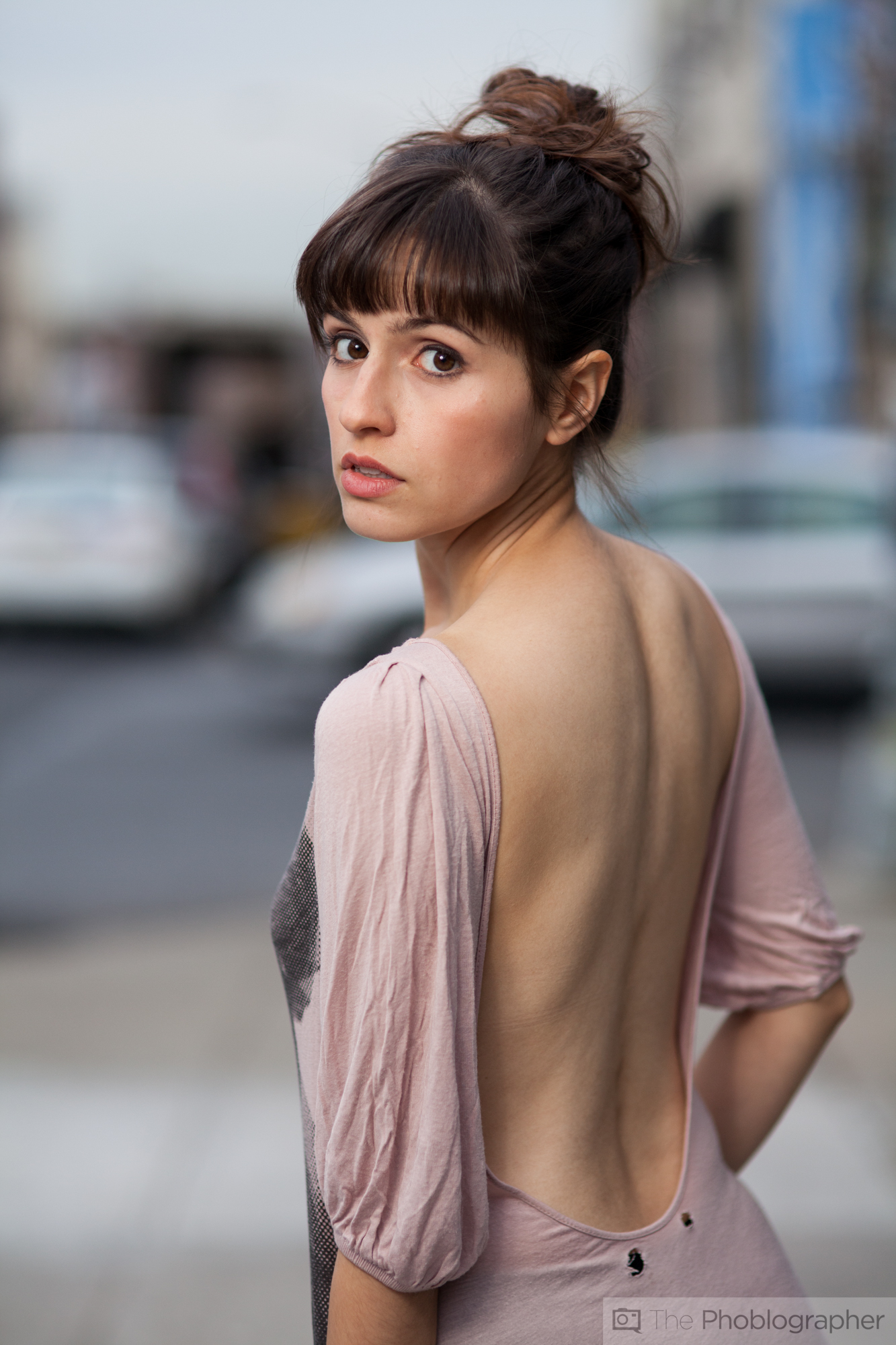
The pursuit of light, its manipulation and mastery, remains at the heart of photography. The recent resurgence of interest in adapting classic lighting tools, like the beauty dish, for smaller, more modern flashes speaks volumes about this enduring fascination. It’s a clever workaround, born from a desire to recapture a specific aesthetic—the rich, flattering light produced by a solid metal beauty dish—without the bulk and expense of traditional studio setups. The article’s premise, a decade-old hack that still holds up, is a testament to the ingenuity of photographers constantly seeking to push boundaries and find creative solutions. We've seen similar inventive approaches to equipment, as explored in [Can Photographers Stop Hating Tripods, Please?], where the debate around seemingly outdated tools highlights the ongoing tension between tradition and innovation within the photographic community. This desire to elevate the tools and techniques is also evident in the celebration of pioneering women photographers, showcased in [New Book Celebrates ‘Dangerous’ Women Photographers From the 19th Century to the Present], demonstrating a broader trend of re-evaluating historical practices and finding new inspiration in the past.
The shift towards collapsible, portable beauty dishes, while undeniably practical for contemporary photographers, has arguably diluted some of the unique characteristics of their larger, solid counterparts. The article rightly points out that there’s a distinct quality to the light that bounces off a solid metal surface – a certain depth and dimensionality that’s harder to replicate with collapsible versions. This isn't simply about nostalgia; it's about understanding how the physical properties of a tool influence the final image. The beauty dish isn’t just a light modifier; it's an integral part of the creative process, shaping the light in a specific and recognizable way. This harkens back to a time when photographers were more intimately connected to their equipment, understanding its nuances and limitations, and using that knowledge to craft their vision. The success of this hack suggests a yearning for that level of control and tactile connection, even in a world dominated by digital workflows. This pursuit of a particular aesthetic, even if it requires a bit of ingenuity, is a key driver of creativity in photography, similar to how photographers like Jon Kreye, as detailed in [How This Photographer Turned a Love of Places Into His Career], leverage specific locations to inform their artistic vision.
The enduring relevance of this “hack” also speaks to the accessibility of photography today. While professional studio lighting remains a viable option, the ability to achieve a similar effect with readily available, relatively inexpensive equipment democratizes the craft. It empowers photographers of all levels to experiment and refine their style, regardless of their budget. This accessibility fosters a culture of innovation and resourcefulness, encouraging photographers to think outside the box and challenge conventional approaches. The article isn't just about a clever modification; it's about the spirit of experimentation and the desire to create something beautiful and unique, even with limited resources. It's a reminder that true artistry isn't necessarily about having the most advanced equipment, but about understanding light and using it to tell a story.
Looking ahead, it’s fascinating to consider how AI and computational photography might influence this trend. Will AI-powered tools eventually be able to simulate the characteristics of a solid metal beauty dish, rendering the need for physical hacks obsolete? Or will the tactile and creative process of adapting and modifying existing equipment remain a vital part of the photographic journey, fostering a deeper understanding of light and its artistic potential? Perhaps the future lies in a hybrid approach, where AI assists photographers in refining their techniques while still allowing for the unique expression that comes from hands-on experimentation and a genuine connection to their tools. The ongoing evolution of lighting technology and photographic techniques presents exciting possibilities for creative exploration and raises a compelling question: How will photographers continue to bridge the gap between tradition and innovation in a rapidly changing landscape?
Read on the original site
Open the publisher's page for the full experience