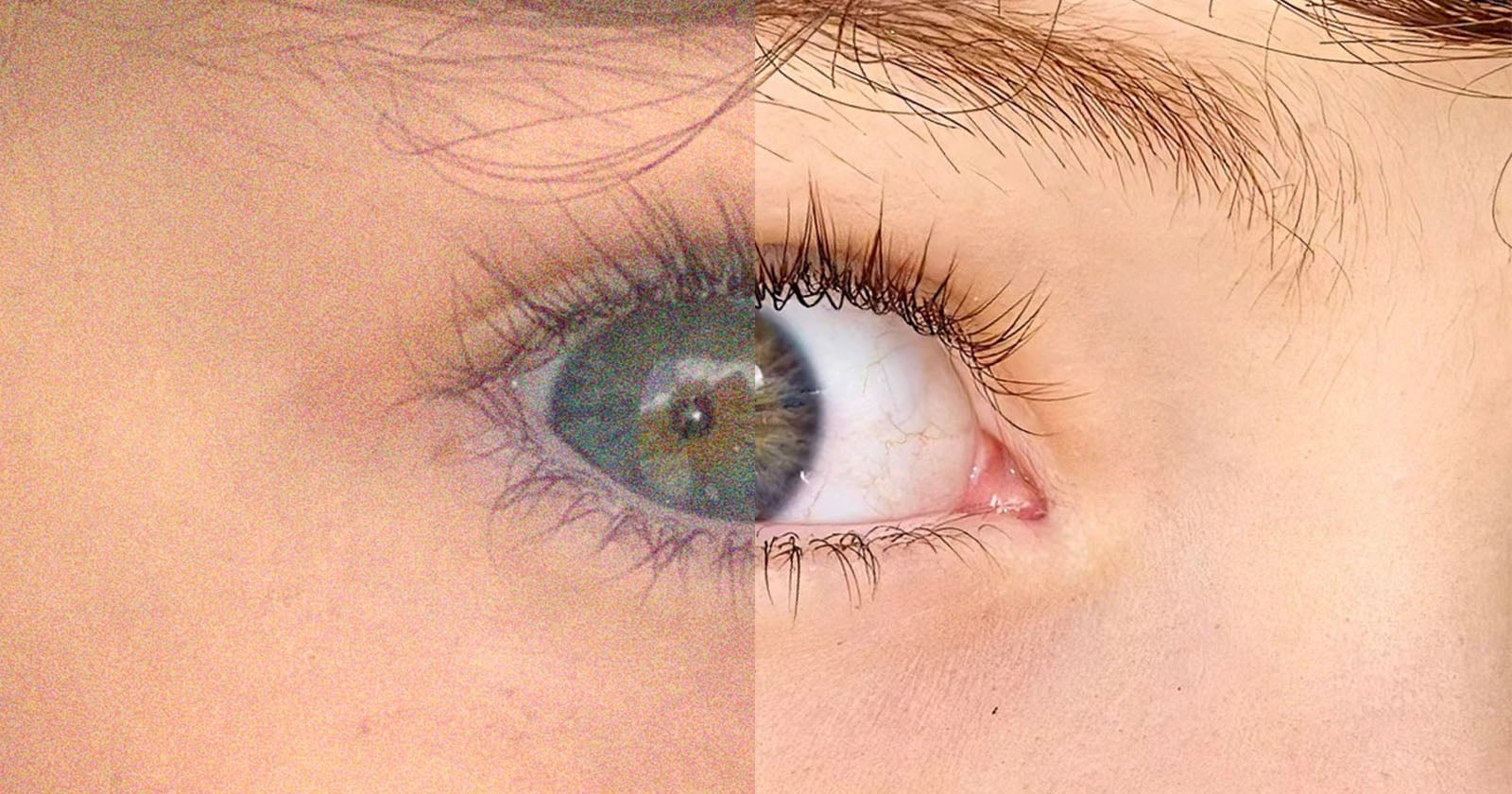
The news that OpenAI has acquired Glass Imaging for $300 million feels less like a corporate footnote and more like a quiet declaration of intent. For those of us who live at the intersection of artistry and technology, this isn't just another acquisition; it's a signal that the future of visual storytelling is being rewritten in real time. Glass Imaging has built its reputation on transforming raw, grainy captures into stunningly clear photographs, and pairing that with OpenAI's generative muscle suggests a world where the camera doesn't just document reality but refines it with intention. You don't have to be a machine-learning expert to feel the ripple here, you just have to care about the images you make and the stories they tell.
For our readers, the practical implications are immediate and personal. Imagine a wellness shoot where the golden-hour light is imperfect, or a fashion editorial where the texture of a fabric gets lost in shadow. Glass Imaging's technology, now fused with OpenAI's models, points to a future where post-processing becomes less about fixing mistakes and more about unlocking a scene's hidden potential. This is not about replacing the photographer's eye; it's about giving that eye a sharper set of tools. As we've explored in our take on AI-driven photo editing and how machine learning is reshaping visual aesthetics, the line between capture and creation is blurring. What excites us is the authenticity angle: if the AI can reconstruct a face or a flower petal with accuracy, the resulting image feels more true to the moment, not less. That's the aspiration we're drawn to, not a polished fake, but a clearer version of what your eyes already saw.
Our honest take? This acquisition is a bet on a specific philosophy: that the highest form of visual intelligence is subtle enhancement, not overt fabrication. We would tell a reader who's skeptical about AI's role in their workflow to watch how this unfolds with cautious optimism. The $300 million price tag is a stake in the ground, but the real test is whether OpenAI can integrate Glass Imaging's tech without making the process feel sterile or over-engineered. We've seen too many "smart" tools that promise magic but deliver generic results. If OpenAI can make the invisible hand of AI feel like a collaborator rather than a crutch, then the images we produce tomorrow won't just be sharper; they'll be more honest to the artist's intent.
The one detail we're watching closely is how this technology gets distributed. Will it be buried inside a developer API, or will it surface in consumer-facing apps that let a creator on the go reclaim a blurry street-style shot? We'd argue the latter is where the real cultural impact lies. For now, we'd tell our community to start thinking about their own visual language, what you choose to show, and what you let the machine finish. That's the conversation worth having, and it's just beginning.