OpenAI Reportedly Buys Photo Processing Company Glass Imaging for $300 Million
Our take
## Our Take: OpenAI’s Acquisition of Glass Imaging – A Glimpse into the Future of Generative AI
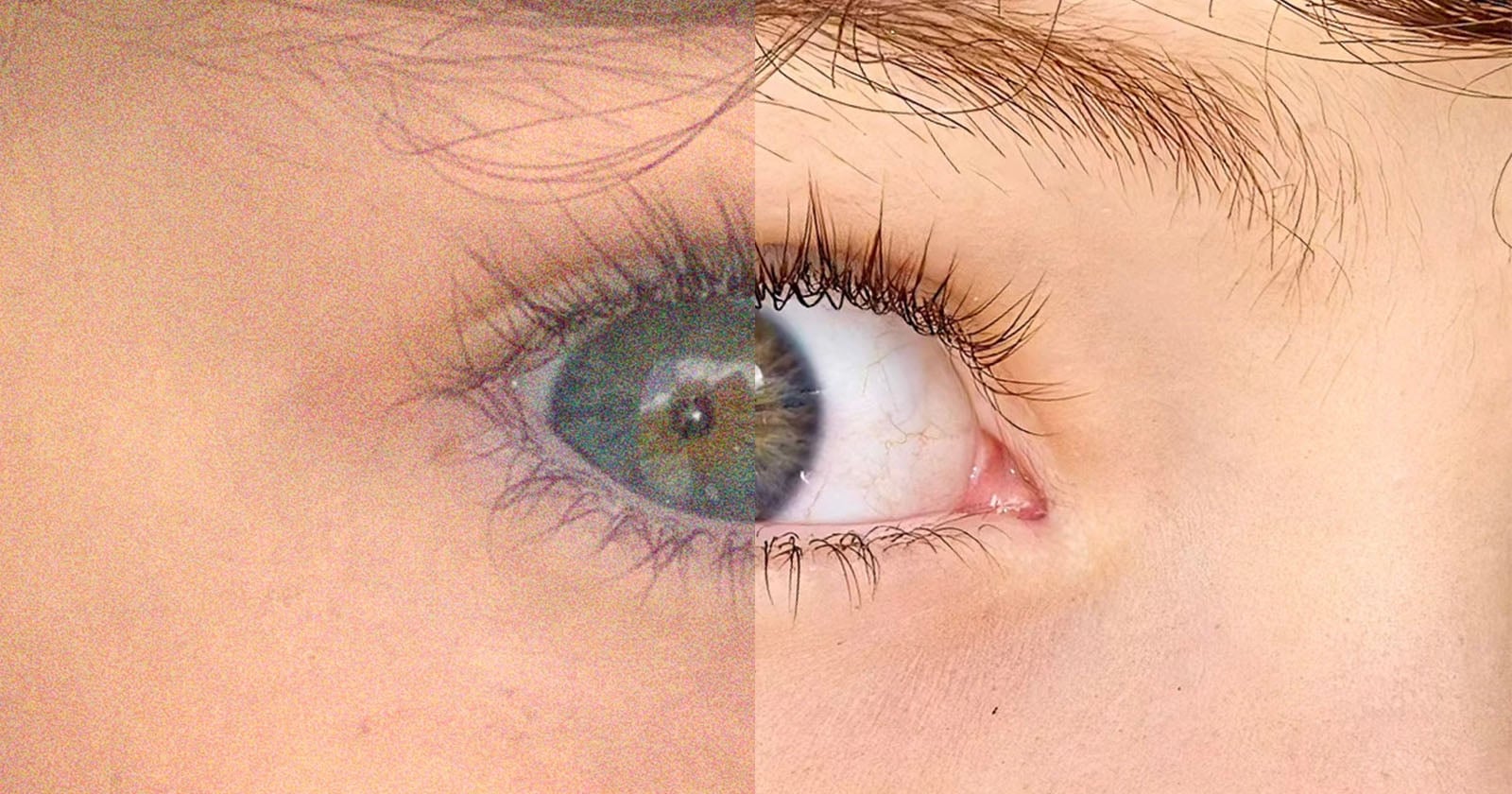
The reported acquisition of Glass Imaging by OpenAI for $300 million signals a significant, and perhaps understated, shift in the generative AI landscape. While much of the recent attention has rightly focused on the rapid advancements in large language models and text-to-image generation, OpenAI’s move demonstrates a strategic focus on the critical, often-overlooked infrastructure underpinning these breakthroughs: image processing and enhancement. Glass Imaging, specializing in advanced computational photography and image restoration, possesses technology capable of dramatically improving the quality and realism of images, particularly those generated by AI. This isn't just about making images *look* better; it's about enabling more nuanced control over generative processes and ultimately pushing the boundaries of what’s possible in areas like virtual reality, augmented reality, and even scientific visualization. The implications extend beyond consumer-facing applications; consider the potential for improved medical imaging or enhanced satellite imagery analysis – all areas poised to benefit from more sophisticated image processing capabilities. For those tracking the evolution of generative AI, this acquisition reinforces the understanding that the race isn't solely about creating new models, but also about refining the foundational technologies that power them. The Rise of Synthetic Data highlights the growing importance of high-quality training data, and Glass Imaging’s expertise directly addresses that need.
The beauty of this acquisition lies in its potential to create a synergistic effect. OpenAI's generative models, such as DALL-E, already produce impressive visuals, but they are inherently limited by the quality of the input data and the algorithms' ability to interpret and render complex scenes. Glass Imaging’s technology, which reportedly includes sophisticated noise reduction, super-resolution, and artifact removal capabilities, can act as a powerful post-processing engine, significantly elevating the output of these models. Imagine DALL-E generating an image of a bustling Parisian street scene, and then Glass Imaging’s algorithms subtly enhancing the details, sharpening the focus, and removing any digital artifacts, resulting in a photorealistic image that rivals a professional photograph. This capability is particularly crucial as generative AI moves towards creating more complex and realistic content. The increasing demand for high-fidelity visuals in areas like gaming and film further underscores the strategic importance of this acquisition. We’ve previously explored The Impact of Generative AI on Creative Industries, and the addition of Glass Imaging's expertise will undoubtedly accelerate this trend.
Beyond the immediate improvements to image generation, this move suggests OpenAI is actively exploring the development of more integrated AI systems. It’s likely they are aiming to build a vertically integrated pipeline, controlling not just the generative models themselves, but also the underlying infrastructure that supports them. This approach allows for greater optimization and customization, enabling OpenAI to fine-tune every stage of the process from data acquisition to final output. It’s a departure from the current landscape, where many AI companies rely on third-party services for image processing and other essential functions. This level of control also raises interesting questions about data ownership and intellectual property, particularly as generative AI continues to blur the lines between human creativity and machine-generated content. The implications for smaller AI startups specializing in image processing are also worth noting; will they be acquired, or will they need to find new ways to differentiate themselves in a market increasingly dominated by giants like OpenAI? AI and the Future of Photography offers a broader perspective on the evolving relationship between artificial intelligence and visual creation.
Ultimately, OpenAI’s acquisition of Glass Imaging isn’t just about improving image quality; it’s about fundamentally reshaping the future of generative AI. By investing in the essential infrastructure that underpins these models, OpenAI is positioning itself to maintain a leadership position in a rapidly evolving field. The question now becomes: will other major AI players follow suit, or will they continue to rely on external providers for these critical capabilities? And, more broadly, how will the ability to generate increasingly realistic and high-quality images impact our perception of reality and the very nature of visual communication? The coming years will undoubtedly reveal the full extent of this transformative shift.
Read on the original site
Open the publisher's page for the full experience