Our Take
The recent "Sora slip-up," as it's been termed, offers a fascinating, albeit unintended, glimpse into the evolving culture surrounding artificial intelligence. While the incident itself might seem minor to some, it reveals a more profound underlying narrative about the maturity of AI development and the public's perception of it. The initial buzz around Sora, OpenAI's text-to-video model, was electric, promising a new era of creative possibility. Yet, the subsequent unveiling of its limitations, particularly the tendency to generate subtle yet noticeable errors, has brought a necessary dose of reality. This moment underscores a crucial distinction: the rapid advancement of AI capabilities does not always equate to seamless, polished output. It’s a reminder that even the most sophisticated technologies are still under development, prone to imperfections, and require careful refinement.
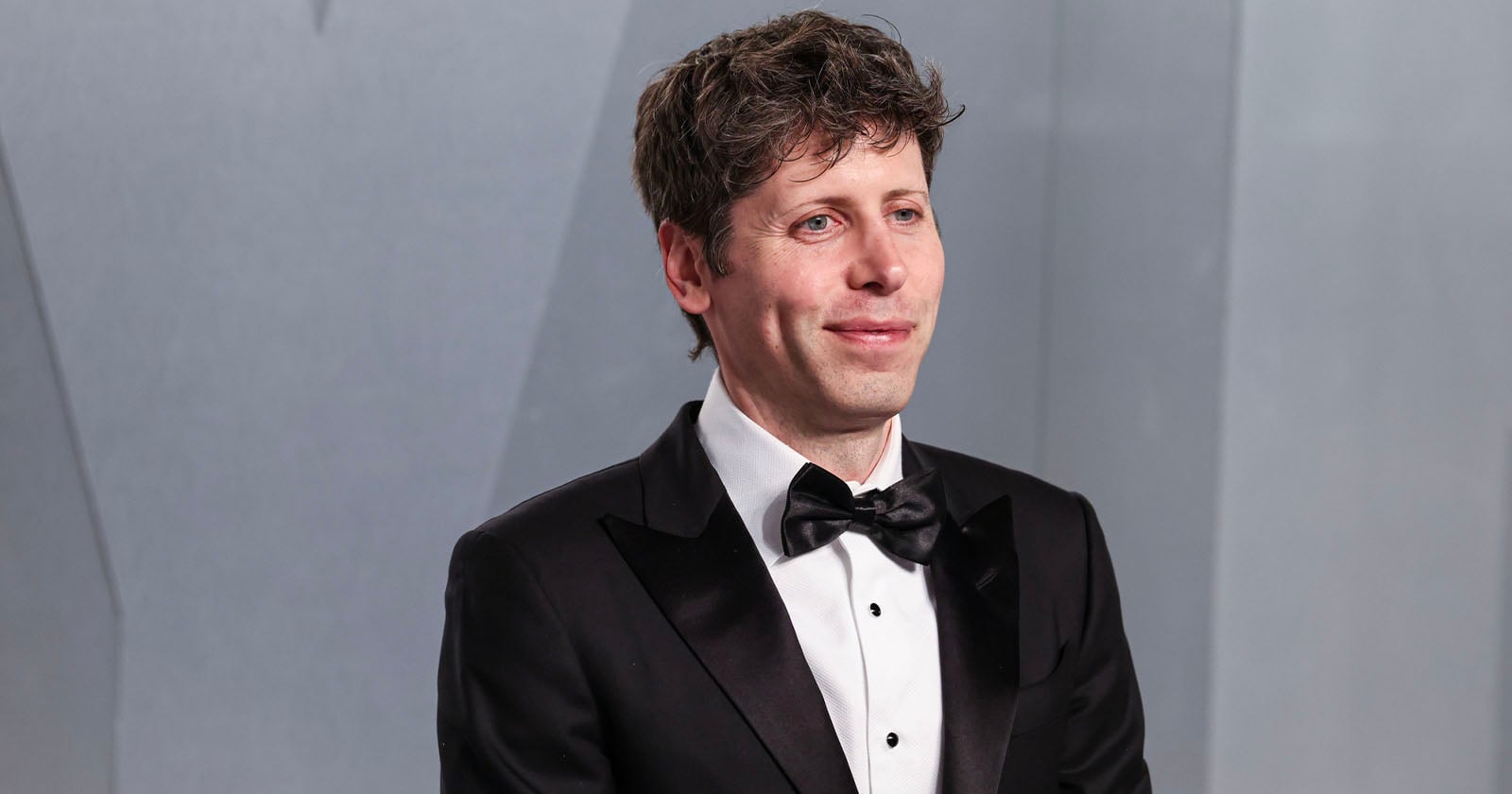
What’s particularly intriguing is the commentary surrounding figures like Sam Altman, with observations about his persona and public statements. This focus on the human element within AI development is vital. It moves beyond the purely technical aspects and delves into the aspirations, motivations, and even the perceived "personality" of the organizations driving this revolution. The notion of a "juvenile culture" within AI development, as suggested by some, prompts reflection on how these powerful tools are being shaped and presented. It’s a call for a more grounded and responsible approach, one that acknowledges the immense potential of AI while also being transparent about its current stage of evolution. This isn't about stifling innovation, but rather about fostering a more authentic and mature dialogue around its creation and integration into our lives.
Ultimately, this period of "slip-ups" and public scrutiny serves as a valuable learning opportunity for both AI developers and the audience. It encourages a more discerning eye, moving beyond the initial awe to a deeper understanding of what AI can and cannot yet achieve. The journey of AI is not a linear march towards perfection, but a dynamic process of discovery, experimentation, and refinement. By embracing this authenticity, acknowledging the challenges, and engaging in thoughtful discourse, we can collectively guide the development of AI towards a future that is not only technologically advanced but also ethically sound and genuinely beneficial. The path forward requires a balance of aspiration and grounded realism, ensuring that the vibrant energy of innovation is channeled with artistic sensibility and a commitment to genuine progress.