Our Favorite Nikon Lens for Bird Photography
Our take
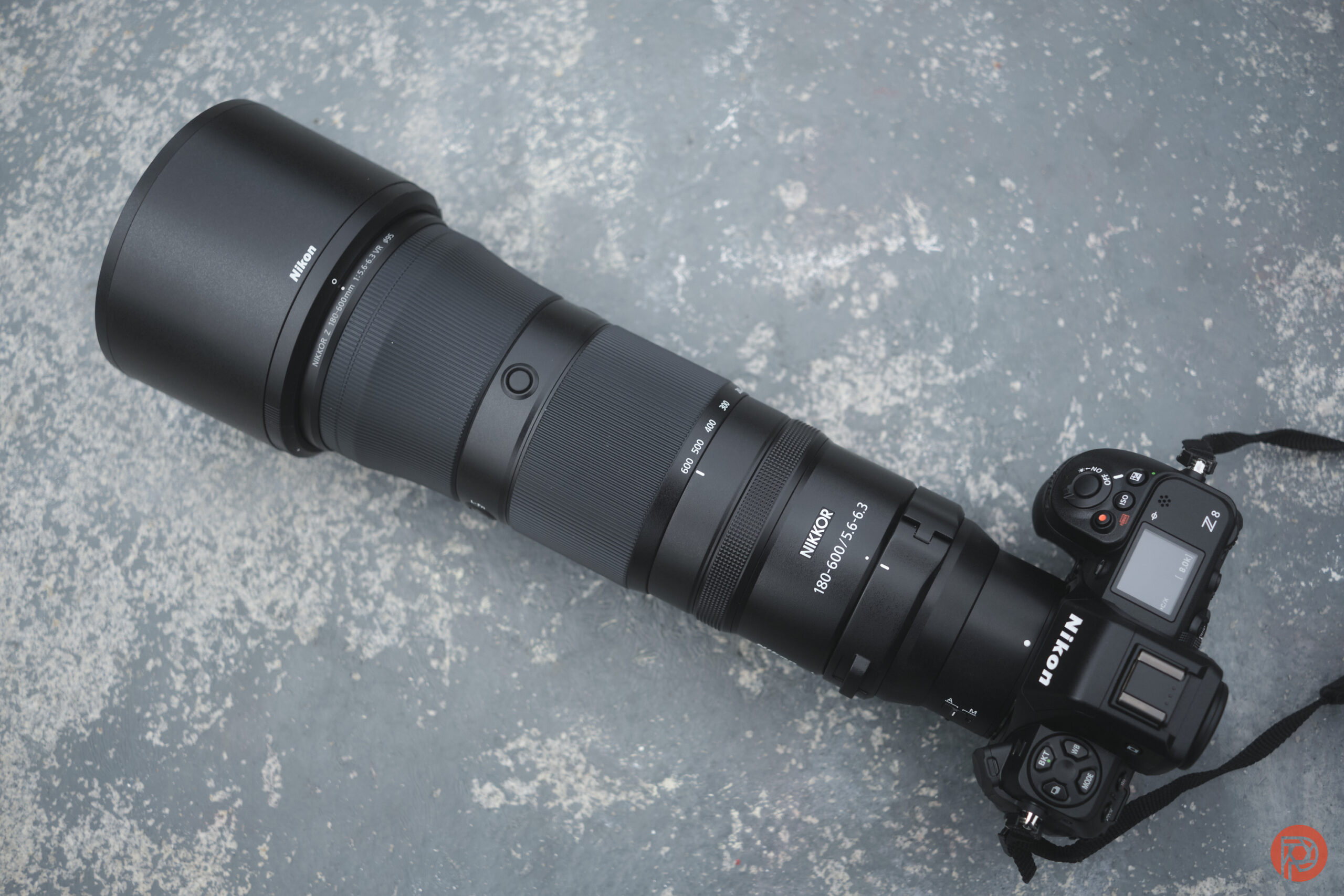
## Our Take: The Nikon 200-500mm f/5.6 – A Triumph of Accessible Excellence in Bird Photography
The world of wildlife photography, particularly bird photography, often conjures images of immense investment – colossal lenses, hefty price tags, and a dedication bordering on obsession. While top-tier equipment certainly delivers unparalleled results, it can be a significant barrier to entry for aspiring photographers. Nikon’s recent reaffirmation of the 200-500mm f/5.6 lens as a prime choice for bird enthusiasts is a welcome development, not just for budget-conscious photographers, but for anyone who appreciates thoughtful engineering and a commitment to delivering exceptional value. This lens isn't simply a “good option”; it represents a paradigm shift toward accessibility without sacrificing optical performance. For those considering a foray into capturing feathered subjects, it’s a lens worthy of serious consideration, especially when paired with a capable Nikon body. It’s also a potent reminder that innovation doesn’t always require groundbreaking complexity; sometimes, refinement of existing technology can yield remarkable results, a concept explored in detail in The Enduring Appeal of Prime Lenses and further contextualized by the discussions around optical engineering found in Understanding Optical Coatings.
The beauty of the 200-500mm f/5.6 lies in its elegant simplicity. It offers a substantial zoom range – 200mm to 500mm – which is critical for capturing distant birds, a frequent requirement in the field. While the f/5.6 aperture isn't as wide as some higher-end lenses, it’s perfectly manageable, particularly when paired with a modern Nikon camera boasting excellent high-ISO performance. What truly sets it apart is the price point. Compared to the significantly more expensive 70-200mm f/2.8E or the even pricier alternatives from other manufacturers, the 200-500mm f/5.6 delivers remarkable reach and image quality for a fraction of the cost. This opens up the world of bird photography to a far wider audience, allowing more individuals to pursue their passion without incurring crippling debt. Moreover, the lens's relatively lightweight construction – a consequence of its polycarbonate build – makes it more comfortable to carry on extended shoots, a crucial factor when trekking through varied terrains in pursuit of elusive avian subjects. The lens’s construction, while not as robust as its professional counterparts, is surprisingly resilient, proving that affordability doesn't necessarily equate to fragility.
The broader significance of this lens extends beyond just individual photographers. It highlights Nikon’s continued commitment to providing a range of options for different skill levels and budgets. In a market increasingly dominated by high-end, often prohibitively expensive equipment, the 200-500mm f/5.6 serves as a reminder that quality photography doesn’t always require a six-figure investment. It allows aspiring photographers to hone their skills and develop their eye without being burdened by financial constraints. This democratization of photography is a positive trend, fostering creativity and encouraging more people to engage with the art form. The lens's success also challenges the notion that superior image quality can *only* be achieved with the most expensive gear, demonstrating that clever design and optimized manufacturing can bridge the gap between professional and enthusiast-level performance, a concept that resonates with the ongoing conversation about gear versus skill, as explored in The Myth of the Magic Lens.
Looking ahead, it will be fascinating to see how Nikon further refines this lens and its impact on the wider photography landscape. Will we see a successor with improved optical coatings or a wider aperture? More importantly, will this success inspire other manufacturers to prioritize accessible, high-quality options for aspiring photographers? The 200-500mm f/5.6 isn't just a great lens; it’s a statement – a testament to the power of thoughtful engineering and a commitment to making the joy of photography accessible to all. The question now becomes: how will the industry respond to this shift, and will we see a greater emphasis on value and performance over sheer extravagance in the years to come?
Read on the original site
Open the publisher's page for the full experience