Over Six Years Later, Nikon’s Final Two DSLRs Are Still Getting New Firmware
Our take
## The Enduring Legacy: Why Nikon’s DSLR Firmware Support Matters
Nikon's recent firmware updates for the D6 and D780, released over six years after their initial launch, are more than just a footnote in the company’s history; they’re a testament to a commitment to its user base that resonates deeply within the photography community. While the industry has largely shifted its focus to mirrorless technology, with significant advancements regularly rolled out for cameras like the Z8 and Z9, Nikon's continued support for its DSLRs speaks volumes about their understanding of their audience. This isn't simply about extending the lifespan of aging hardware; it’s about honoring the investment and loyalty of photographers who have built their careers and workflows around these cameras. It’s a strategy that stands in stark contrast to some competitors who have swiftly abandoned legacy systems, leaving users feeling unsupported. Considering the broader landscape, and the continued interest in film photography demonstrated by articles like The Resurgence of Film Photography, there's a growing appreciation for brands that prioritize longevity and sustained support. The enduring appeal of Nikon’s DSLRs, coupled with this unwavering support, fosters a sense of trust and reliability that's increasingly rare in today’s fast-paced technological environment.
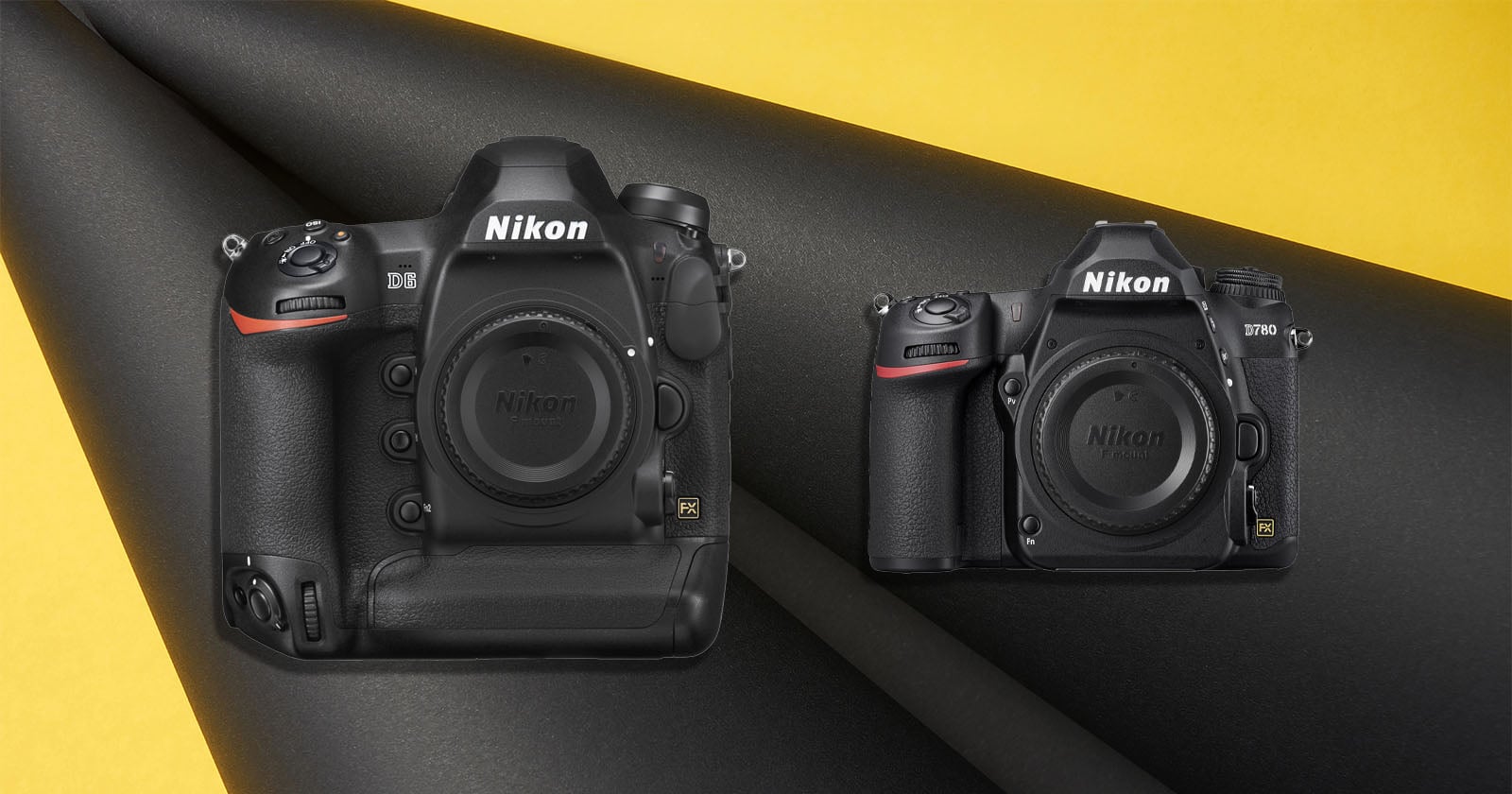
The significance of this move extends beyond mere goodwill. Firmware updates can address subtle performance issues, improve autofocus accuracy, and even add new features that significantly enhance the user experience, regardless of the camera's age. For professional photographers, particularly those who rely on the robust build quality and familiar ergonomics of DSLRs, these updates can extend the usability of their equipment for years to come. The D6, in particular, remains a workhorse for many, valued for its exceptional battery life and reliable performance in demanding environments. Similarly, the D780, a hybrid camera blending DSLR functionality with advanced video capabilities, continues to be a popular choice for both stills and motion shooters. Nikon’s decision to invest in these updates demonstrates an understanding that a significant portion of their user base isn't rushing to upgrade to mirrorless systems, either due to budget constraints, preference for the DSLR form factor, or simply the stability and familiarity of their existing workflows. Furthermore, this approach indirectly validates the investment made by these photographers – a crucial consideration in an industry where equipment depreciation can be a significant concern. The commitment also reinforces Nikon's reputation for engineering quality; something highlighted in articles like Nikon's Engineering Philosophy.
The broader implications for the camera industry are noteworthy. While mirrorless technology undoubtedly represents the future of photography, Nikon's actions demonstrate that there's still a viable market for well-built, reliable DSLRs, especially when accompanied by ongoing support. It challenges the prevailing narrative that older technology is automatically obsolete, and it highlights the importance of customer loyalty. This approach could potentially influence other manufacturers to reconsider their own legacy support strategies, recognizing that a commitment to existing users can foster brand advocacy and long-term customer retention. It’s a reminder that innovation doesn’t solely reside in releasing the newest, flashiest product; it also encompasses providing ongoing value and support for the equipment already in the hands of photographers. The decision to prioritize firmware updates for DSLRs, while seemingly counterintuitive in the mirrorless era, is a strategic move that reinforces Nikon's position as a brand that values its users and their investment. Even a comparative analysis of Nikon's approach versus Canon’s, as discussed in Canon vs. Nikon: A Comparative Analysis, highlights this difference in prioritizing existing hardware.
Looking ahead, the question becomes: how far will Nikon continue to support its DSLR line? While the company is clearly focused on its mirrorless future, the enduring popularity and continued relevance of these cameras suggest that further firmware updates, and perhaps even new accessories or specialized lenses, are not entirely out of the question. Will we see Nikon maintain this level of support for other aging models, or is this a unique case driven by the specific demand and longevity of the D6 and D780? Ultimately, Nikon’s commitment to its DSLRs serves as a compelling example of how prioritizing customer loyalty and long-term value can be a powerful differentiator in a rapidly evolving technological landscape.
Nikon is well regarded for its excellent post-launch firmware support, especially for its mirrorless cameras like the major releases for the Z8 and Z9. However, Nikon's latest updates aren't for its mirrorless cameras, but rather for a pair of the company's old DSLRs.
Read on the original site
Open the publisher's page for the full experience