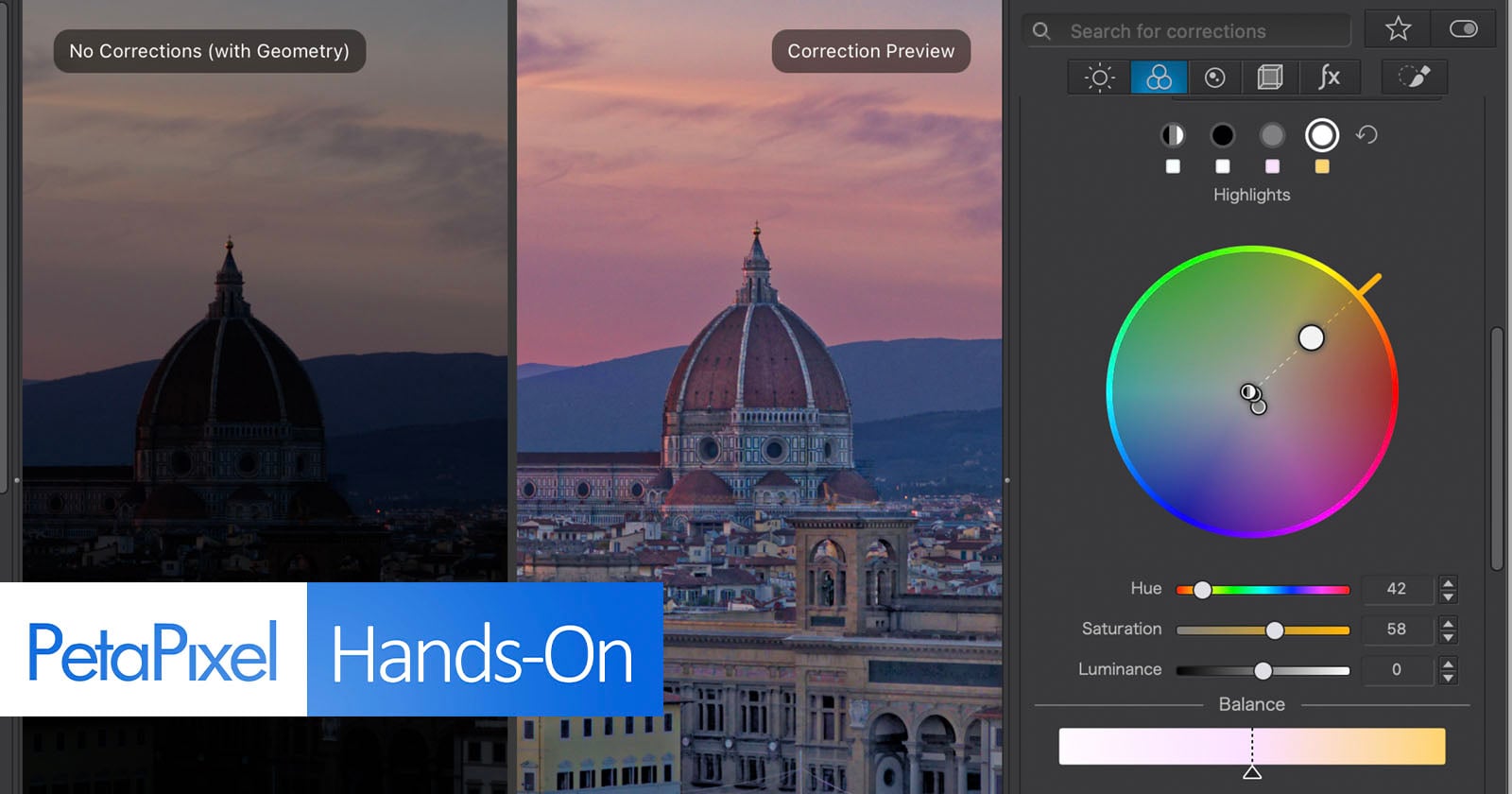
There is something quietly radical about paying for a tool once and actually owning it. In an era where every creative app seems to nudge you toward a subscription, DxO PhotoLab 10 reminds us that permanence still has a place in the artistic toolkit. Version 10 isn't a dramatic leap forward, but it patches real gaps left by its predecessors. For photographers who value the craft over the chase of constant updates, that steady, iterative approach feels less like a compromise and more like a philosophy. We'd argue that's worth celebrating, especially when the alternative often means renting your own workflow month after month.
What resonates with us is the sense of agency this model restores. You are not locked into a perpetual cycle of payments or forced to chase every feature drop. You choose when to upgrade, and you do so because the new version genuinely serves your vision, not because the software will suddenly stop working. That kind of ownership aligns beautifully with the broader creative spirit we champion here, whether you are capturing cosmic beauty through astrophotography or seeking out photography's artistry at events like the 5 Boro Foto Fest. The tools we choose should feel like extensions of our own eye, not fleeting subscriptions to someone else's roadmap.
Still, we have to be honest with our readers. If you already own a recent version, PhotoLab 10 may not tempt you with a single must-have feature. This is more about refinement than revolution. That is okay. Sometimes the most valuable upgrades are the quiet ones, the fixes that remove friction and let you stay in the flow of editing. We would tell a reader weighing the upgrade to consider what's actually missing from their current setup. Are you hitting a wall in post-processing? Is there a specific tool or workflow gap that version 10 addresses? If yes, the one-time cost is a sensible investment. If not, there is no shame in waiting for the next iteration, because that is the luxury of owning your software.
The deeper takeaway here is about intentionality. In a creative landscape that often equates newness with necessity, DxO is betting that photographers value control over convenience. That bet feels aligned with the spirit of elevating your vision through in-camera techniques, where the point is to make deliberate choices rather than rely on defaults. The concrete point to watch is simple: will other major players follow suit and offer more flexible ownership models, or will subscriptions continue to dominate? For now, PhotoLab 10 stands as a reminder that you can have both polish and permanence, and that is a perspective worth holding onto.