Panasonic Lumix S 40mm f/2 Review: The Lens the S9 Needed
Our take
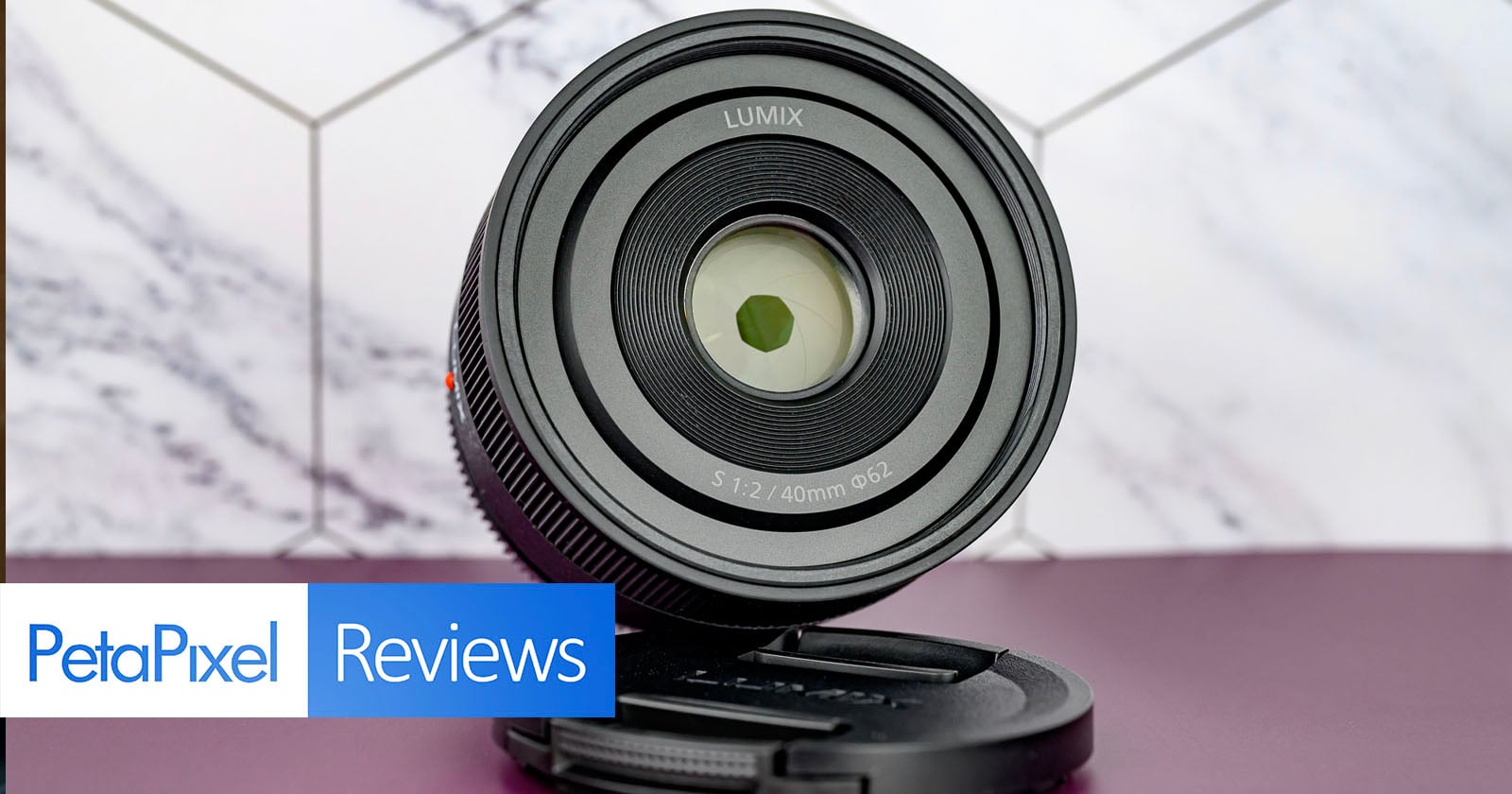
The Panasonic Lumix S 40mm f/2 lens has ignited a conversation among photography enthusiasts, particularly those drawn to the unique allure of the 40mm focal length. This lens, while not as mainstream as its 35mm counterpart, offers a distinct perspective that piques the curiosity of both seasoned photographers and those just beginning their journey. In a recent review, the juxtaposition of the 40mm lens against its more common rivals highlights not only the technical specifications but also the artistic possibilities it presents. As outlined in the Panasonic Introduces Ultra Compact Lumix S 40mm f/2 Lens for L-Mount, this compact and lightweight design positions itself as a versatile tool, ready to capture scenes with a fresh perspective.
The fascination with 40mm lenses lies in their ability to straddle the line between wide-angle and standard perspectives. This focal length provides a unique field of view that can be both intimate and expansive, making it ideal for various photography styles—from street photography to portraits. The recent Why the Panasonic 40mm f2 Could Be the Best Value Prime of the Year article emphasizes the value this lens offers in terms of performance without the hefty price tag often associated with high-quality optics. As photographers seek to differentiate their work in a saturated market, the 40mm lens emerges as a compelling choice, encouraging exploration and creativity.
Moreover, the discussion surrounding the Panasonic Lumix S9 and its compatibility with the 40mm lens reveals a broader narrative about the evolution of camera technology and user preferences. As highlighted in the Panasonic Unveils the Most Beautiful Lumix S9 Color Yet, the S9 is designed to cater to the aesthetics and functionality that modern photographers crave. The lens's introduction serves as a vital complement to the camera, enhancing its capabilities and enriching the overall photographic experience. This synergy between the lens and camera body reflects a larger trend where brands are increasingly cognizant of the artistic needs of their users, creating tools that inspire rather than just function.
In light of this, we must consider the implications of adopting such unique gear. The 40mm lens not only encourages a departure from conventional focal lengths but also invites photographers to engage with their surroundings in new ways. It challenges creators to rethink composition and storytelling, fostering a deeper connection to the art of photography. As we look to the future, the question remains: will the 40mm lens continue to carve out its niche among the more established options, or will it become a staple in the toolkit of photographers seeking to capture the world from a fresh vantage point? This evolving narrative will undoubtedly shape our understanding of photography as both an art form and a means of expression in the years to come.
I think most of us have a strange fascination with 40mm lenses. It seems like a relatively uncommon focal length, and of course, it is overshadowed by the ubiquitous 35mm lenses. In truth, both lenses can do pretty much the same thing, but that doesn’t take away from the fact that the 40mm focal length always feels a little exotic.
Read on the original site
Open the publisher's page for the full experience
Related Articles
- Panasonic Introduces Ultra Compact Lumix S 40mm f/2 Lens for L-MountPanasonic has announced the Lumix S 40mm f/2, a compact and lightweight prime that it says is ideal for capturing scenes with a natural perspective, making it well-suited for street photography, portraits, and landscapes. [Read More]
- Panasonic Unveils the Most Beautiful Lumix S9 Color YetPanasonic's most exciting news this week was definitely the new Lumix S 40mm f/2 lens, but there's also some news surrounding arguably the perfect camera to use with the new Lumix S 40mm f/2 prime, the Lumix S9. There's yet another new color for the Lumix S9, and slightly to my chagrin, it's the best one yet, at least in my view. [Read More]
- Why the Panasonic 40mm f2 Could Be the Best Value Prime of the YearPanasonic has introduced the S9, a lovely compact camera that is perfect for outdoor photographers. To match the new range of compact products, the company is now introducing a new lens that is ideal for anyone who wants to stick to a smaller setup: the 40mm f2. If you are an owner of the S9, then this lens would be your ideal companion in any situation. Have a look.