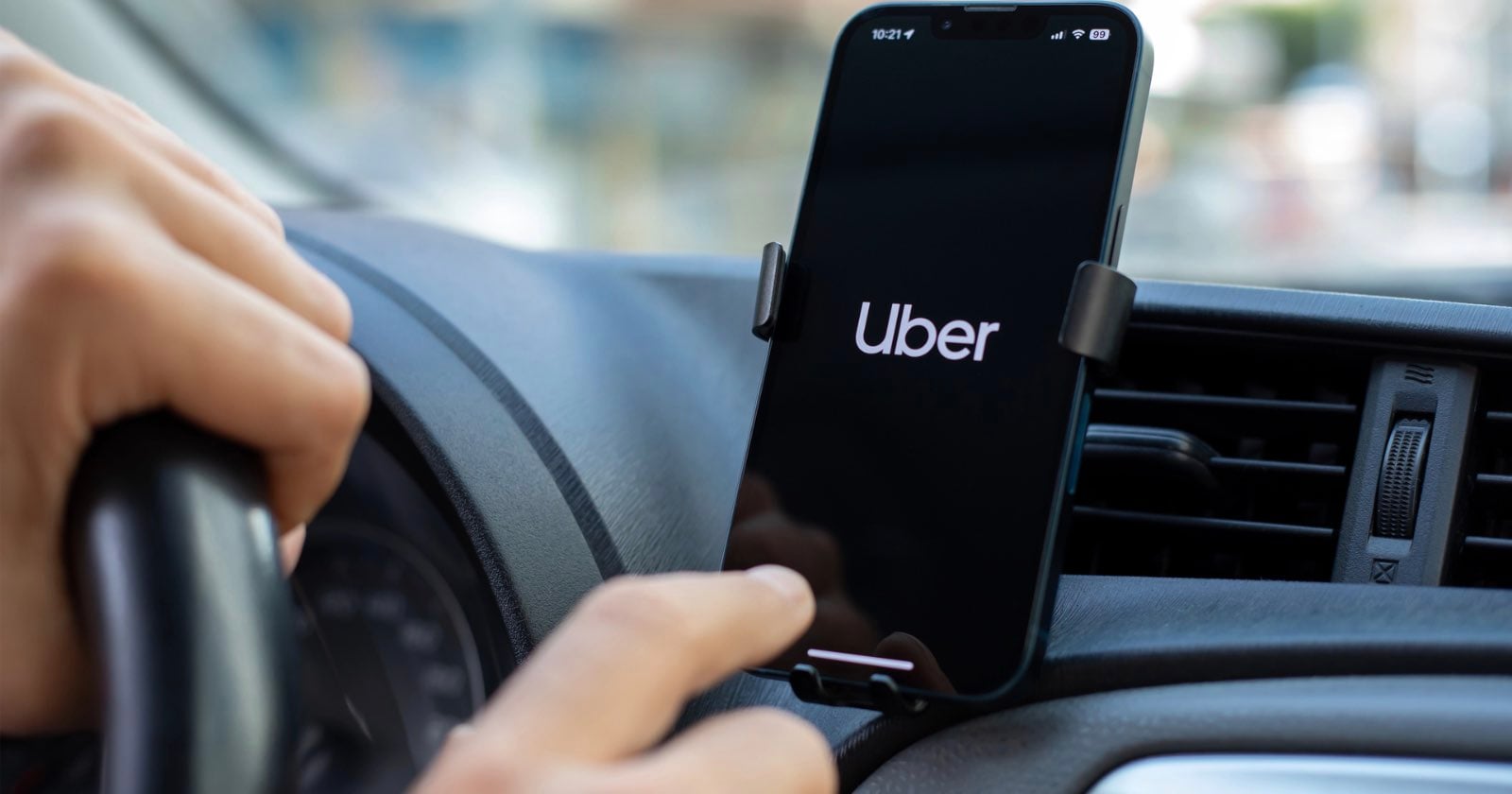
The camera has always been a tool of trust, a way to see what we cannot. Uber's new feature, which lets parents watch live video from a driver's selfie camera during a teenager's ride, turns that trust into something more tangible. It is not a surveillance state for the backseat; it is a quiet acknowledgment that peace of mind often needs a visual anchor. For the parent who has spent years rehearsing the "call me if anything feels off" speech, this is a new kind of reassurance. For the teenager, it is a reminder that independence is still a collaborative project.
This move feels less like a tech update and more like a cultural signal. We are living in an era where our devices already document so much of our lives, from the curated frames of our morning coffee to the polished galleries of our latest adventures. The related pieces in our publication, like the Leica Lux 2.0: Crafting iPhone Photography with Artistic Vision and the Signature 27: Where Mobile Photography Meets Elevated Design, explore how we use lenses to frame our realities. This feature is a different kind of frame, one that captures the mundane, the reassuring hum of the road, and the unremarkable seconds that add up to a safe journey. It is a raw, unpolished counterpoint to the artistic vision we usually celebrate, and that contrast is precisely why it works.
Our honest take is that this is not about distrusting the driver. It is about giving the parent a way to participate without hovering. The selfie camera is a clever choice because it avoids the awkwardness of a cabin-facing lens while still offering a clear view of the driver's attention and demeanor. It is a practical tool that respects everyone's dignity. For our readers, who appreciate both form and function, the takeaway is simple: this is what thoughtful integration looks like. It is not a gimmick; it is a feature designed for a specific moment of vulnerability. We would tell a reader that if they have a teenager who rides with Uber, this feature is worth enabling, not because something will go wrong, but because the silence of a routine ride can feel louder than any conversation.
The open question is how this shapes the broader conversation about privacy and safety. If a parent can watch a driver's camera, can a driver opt out? What happens to the footage after the ride ends? These are the details we will be watching as the feature rolls out. For now, the concrete point to note is this: the next time you hand your teenager the keys to their own freedom, you might also be handing them a small, quiet assurance that someone is still watching. And in a world that often feels chaotic, that simple act of visibility might be the most curated detail of all.