Pearla Revela Is a Node-Based RAW Photo and Video Editing Platform for iPhone, iPad, and Mac
Our take
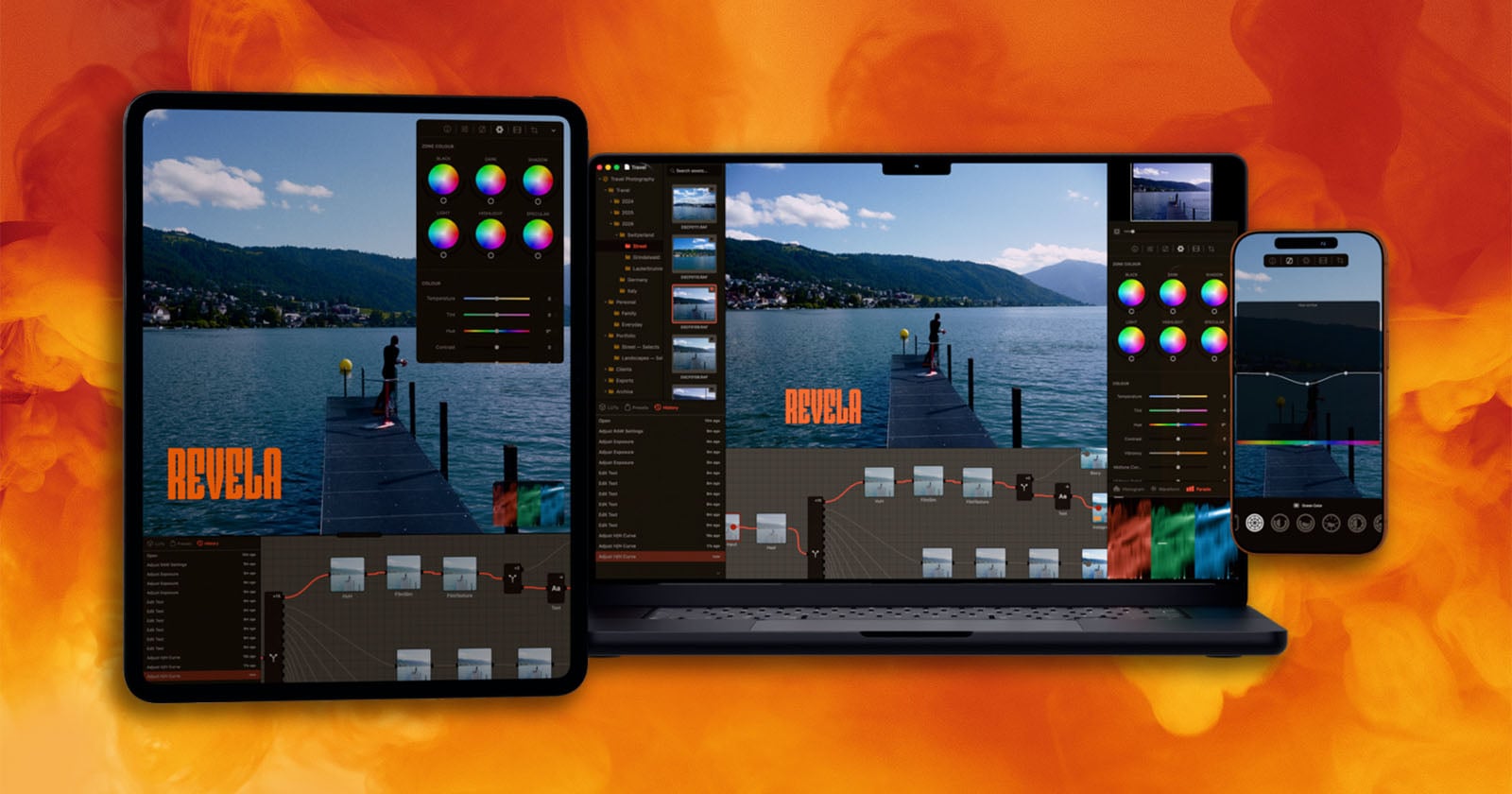
Pearla Revela’s arrival onto the mobile and desktop editing scene represents a fascinating shift, one that aligns beautifully with the growing desire for both creative control and accessibility. For years, professional photo and video editing has been largely confined to powerful desktop workstations running software like Adobe’s suite. While mobile editing apps have improved dramatically, they’ve often sacrificed depth and flexibility for ease of use. Pearla Revela, with its node-based RAW editing capabilities across iPhone, iPad, and Mac, appears to be attempting to bridge that gap, offering a level of sophistication previously unseen in the mobile space. It’s not simply about applying filters; it's about constructing a visual narrative through a modular, non-destructive workflow—a philosophy that echoes the power and nuance of professional tools but now within reach of creators on the go. This approach mirrors the rise of modular synthesis in music production, where users build sounds and effects from interconnected components, granting unprecedented creative freedom. The timing is particularly interesting, considering the ongoing evolution of computational photography and the increasing importance of on-device processing power, as highlighted in our recent piece on Computational Photography Trends.
The node-based system itself is key to understanding Revela’s potential. Rather than applying edits sequentially, users connect individual processing nodes—adjustments for exposure, color grading, sharpening, and more—to create a visual chain. This allows for incredible flexibility: changes to one node ripple through the entire chain, providing instant feedback and endless possibilities for experimentation. Non-destructive editing is also crucial; every adjustment is recorded without altering the original RAW file, ensuring that creators can always revert to the source material. This aligns with a broader trend towards preserving original assets and embracing iterative workflows. The connection with Pearla Verana, their iPhone camera app, is particularly shrewd. Seamless integration between capture and editing creates a streamlined creative process, encouraging users to explore the full potential of their mobile devices. Comparing this to offerings like LumaFusion, which while powerful, doesn't offer this same node-based structure, reveals a distinct design philosophy. We’ve previously discussed the challenges of mobile video editing in Mobile Video Editing: Power & Limitations, and Pearla Revela directly addresses some of those limitations.
However, the success of Pearla Revela will hinge on its user experience. Node-based editors can be intimidating for newcomers. The interface needs to be intuitive and visually appealing, offering a gentle learning curve without compromising on power. Pearla Mostra will need to invest heavily in tutorials and support to ensure that creators of all skill levels can harness its capabilities. The platform's broader impact on the creative landscape depends on its ability to democratize access to advanced editing techniques. If it can truly empower mobile creators to produce work that rivals desktop-based productions, it could fundamentally change how visual content is created and consumed. The inherent elegance of the node-based approach, combined with the accessibility of mobile platforms, positions Revela to potentially disrupt the established workflows of both amateur and professional creatives.
Looking ahead, it will be fascinating to observe how Pearla Revela influences other mobile editing apps. Will we see a wider adoption of node-based workflows across the industry? More importantly, will this development push the boundaries of what's possible with on-device processing, prompting manufacturers to prioritize computational photography and editing capabilities in future devices? The rise of AI-powered editing tools also looms large: how will Pearla Revela integrate with, or differentiate itself from, these emerging technologies? The answer to this question—and the ongoing evolution of mobile editing—will undoubtedly shape the future of visual storytelling.
Alongside the new, vastly improved Pearla Verana IV iPhone camera app, newly formed company Pearla Mostra also unveiled Pearla Revela, a non-destructive node-graph editor for photos and videos on iPhone, iPad, and Mac.
Read on the original site
Open the publisher's page for the full experience