Pentax’s DSLR Dreams Won’t Come True if It Does the Same Old Thing
Our take
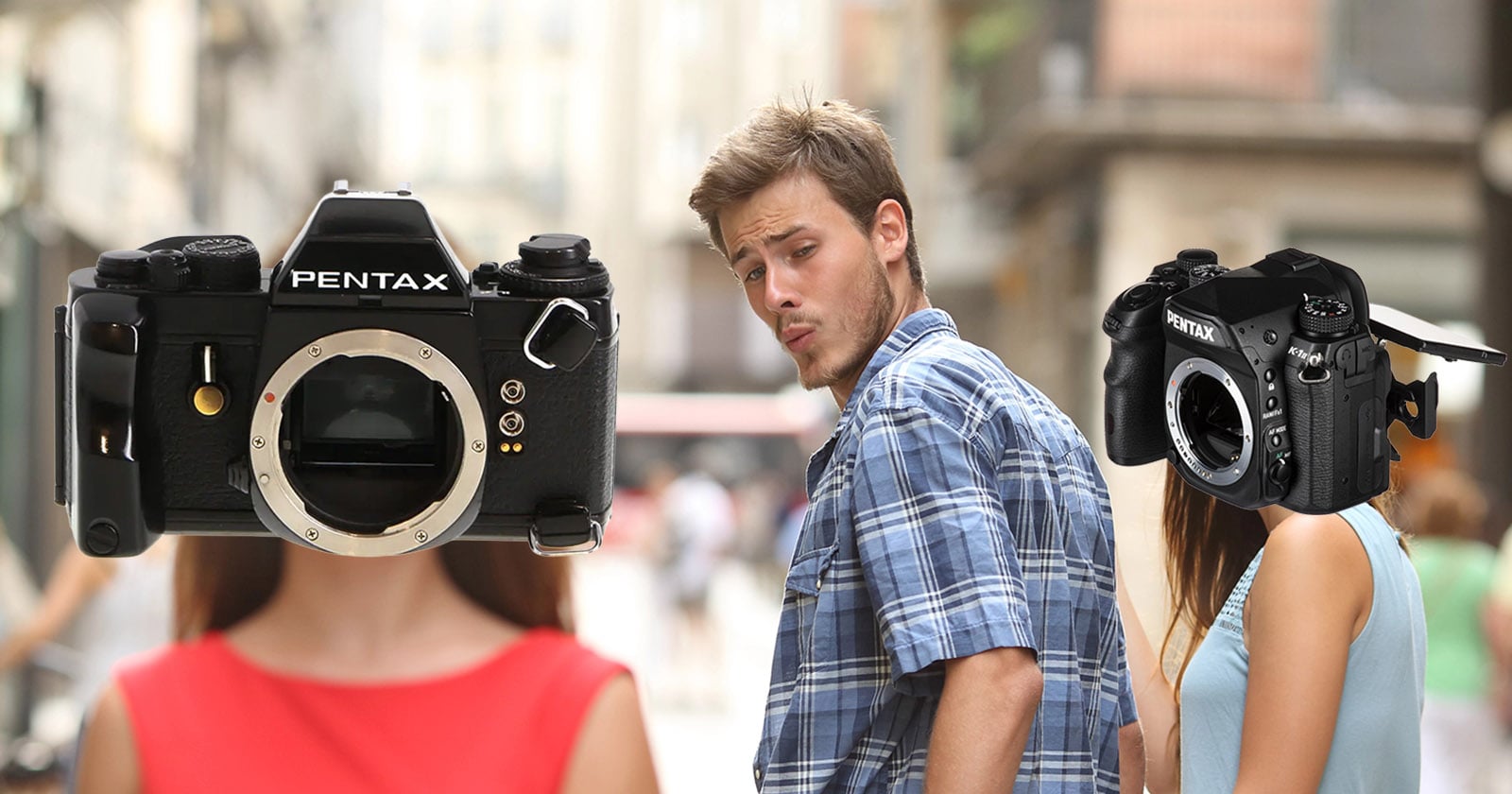
Pentax finds itself at a critical juncture, a reality underscored by the recent PetaPixel article highlighting the precariousness of its DSLR ambitions. The core issue, as articulated, is simple: the market for new DSLRs is dwindling. While Ricoh’s continued commitment to the Pentax brand offers a lifeline, clinging to the past without significant innovation risks a slow, inevitable decline. This isn't merely about Pentax; it’s a microcosm of the larger shift within the photography landscape, moving decisively towards mirrorless systems. We’ve seen this trend reflected in various discussions within our community, particularly regarding equipment choices for professional work – as evidenced by articles like Please help me pick digitals for agency submissions, where photographers are increasingly considering a wider range of options beyond traditional DSLR setups. The question isn't *if* change is needed, but *how* Pentax will navigate this transition.
The challenge for Pentax isn't just technological; it’s a matter of perception and brand identity. For years, Pentax has cultivated a loyal following among photographers who appreciate the rugged build quality, unique features like the Astrotracer, and the distinct image aesthetic of their DSLRs. However, these strengths are becoming increasingly overshadowed by the advancements in mirrorless technology – superior autofocus, enhanced video capabilities, and more compact designs are consistently raising the bar. To remain relevant, Pentax needs to move beyond incremental improvements to existing DSLR models and embrace a bold vision for the future. Consider the ongoing debate around lighting equipment, where innovations like the Godox C100, despite their flaws, Godox C100 Review: A Troubled Viewpoint, demonstrate a willingness to experiment and disrupt established norms. Pentax needs a similar spark of ingenuity.
The company’s options are limited but not nonexistent. One path could involve leveraging its strengths in specific niches, such as astrophotography or outdoor photography, and developing specialized mirrorless cameras tailored to those needs. Another could be to focus on building a robust ecosystem of accessories and lenses that appeal to Pentax loyalists, even as they gradually transition to mirrorless systems. They could even explore a collaborative approach, partnering with another manufacturer to share technology and resources. Ignoring the rise of black and white photography and the enduring appeal of classic aesthetics, as highlighted in 4 Cameras Black and White Photographers Swear By, would be a misstep; Pentax could position itself as the purveyor of high-quality tools for this timeless art form, but within a modern, mirrorless context. The key is to acknowledge the changing landscape and proactively adapt, rather than stubbornly clinging to a dying technology.
Ultimately, Pentax’s survival hinges on its ability to redefine itself. Continuing down the current path, simply releasing updated DSLR models, is a recipe for obsolescence. The brand possesses a rich heritage and a dedicated fanbase, but these assets alone are not enough. The question now is whether Pentax can summon the vision and resources to reinvent itself for the mirrorless era, or if its DSLR dreams will fade into the history books as a cautionary tale of resisting inevitable change. What bold moves will we see from Ricoh and Pentax in the next year to address this challenge, and will those moves resonate with the discerning eye of the modern photographer?
Pentax is in a challenging spot. Its parent company, Ricoh, remains committed to the Pentax brand, and Pentax wants to continue to make DSLR cameras. The problem is nobody wants new DSLR cameras.
Read on the original site
Open the publisher's page for the full experience