Photo Companies Have Tons of Great Merch, But They Won’t Sell It To You
Our take
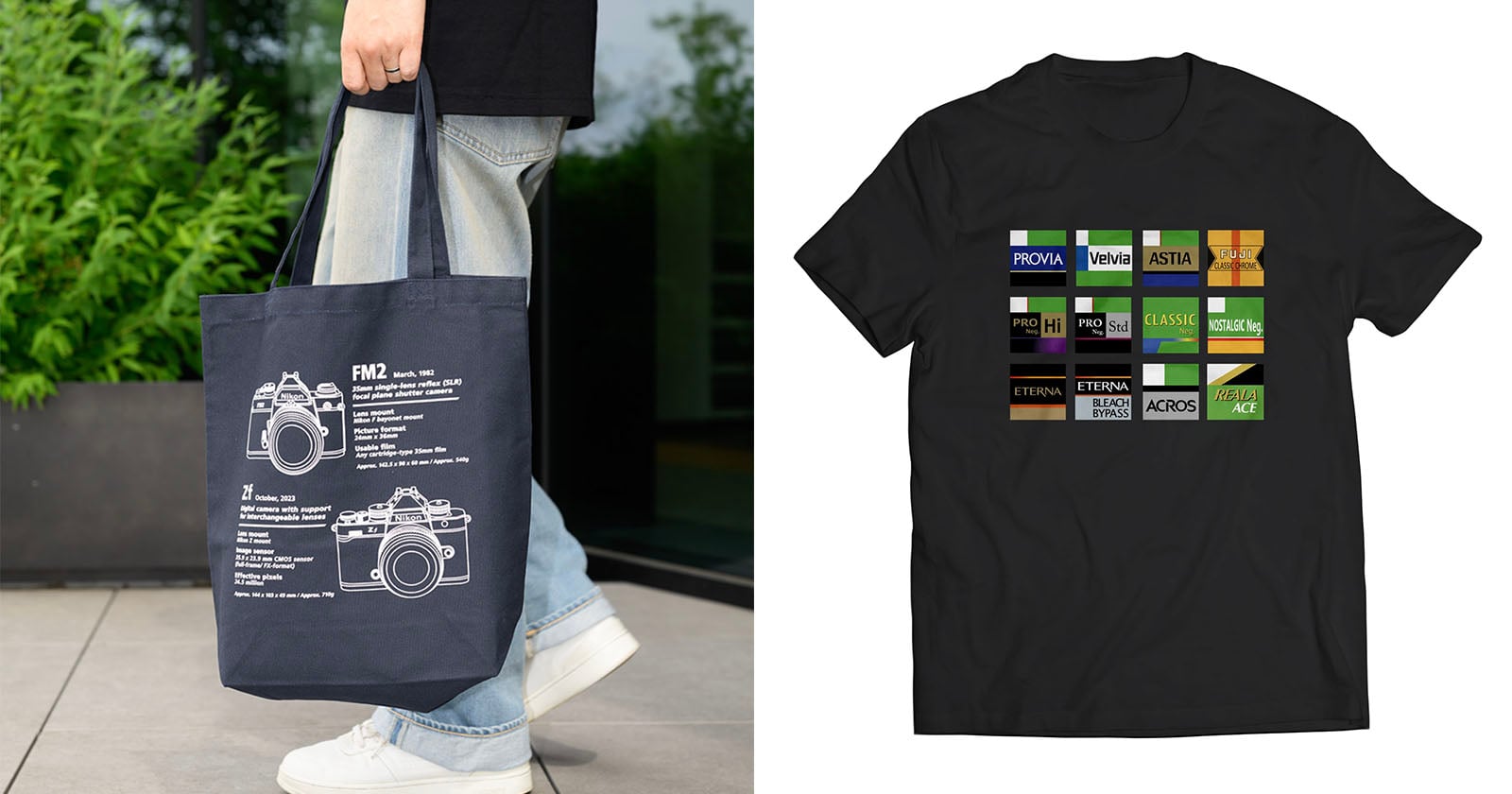
The photography world thrives on a unique blend of technical precision and artistic expression, and increasingly, the appreciation for the tangible extends beyond the camera itself. The recent PetaPixel article highlighting the frustrating scarcity of photography-related merchandise outside of Japan underscores a larger trend – a disconnect between the creativity fostered within the industry and the consumer goods that could amplify it. It’s a curious phenomenon, particularly when considering the burgeoning interest in film photography, evidenced by companies like Kono launching three new C-41 35mm color films with unique color and character [Kono Launches Three Color Films With Unique Color and Character]. This desire for tactile engagement, for something beyond the digital realm, suggests a real appetite for thoughtfully designed accessories, apparel, and lifestyle items that resonate with the photographic spirit. The Ricoh example – camera straps crafted from repurposed train seats – isn’t just about a product; it’s about storytelling, heritage, and a level of craftsmanship that elevates the everyday experience.
Why this exclusivity? Part of the answer likely lies in brand strategy and limited-edition drops designed to generate buzz and cultivate a sense of exclusivity. The scarcity creates desire. However, this tactic, while effective in the short term, ultimately risks alienating a broader audience eager to participate in the photographic lifestyle. Sony’s recent RX10 V review [Sony RX10 V Review: Sometimes the Best Still Isn’t Good Enough], despite its near-nine-year wait, demonstrates a continued, if sometimes imperfect, effort to cater to the enthusiast market. There's a clear demand for cameras and related equipment; extending that attentiveness to merchandise feels like a natural, and potentially lucrative, extension. The charm of older Leica cameras, as highlighted in “This Cheap Leica Camera is Great for Street Photography Even Today” [This Cheap Leica Camera is Great for Street Photography Even Today], speaks to the enduring appeal of classic design and functional beauty - qualities that could be readily translated into compelling merchandise.
The implications of this missed opportunity are significant. It’s not merely about selling tote bags or t-shirts; it's about building a community and fostering a deeper connection with the brand. Photography is, at its core, a visual language, and the accessories and lifestyle items surrounding it can become extensions of that language, allowing photographers to express their passion beyond the frame. Imagine a world where photographers can easily acquire well-designed, functional, and aesthetically pleasing items that reflect their craft – from beautifully crafted lens cloths to stylish camera bags that double as everyday carry solutions. The current landscape, characterized by limited availability and localized distribution, actively discourages this broader engagement. This isn't about mass-produced, generic items; it's about curated collections that reflect the artistry and dedication inherent in photography.
Ultimately, the situation presented in the PetaPixel article points to a fundamental question: are photo companies prioritizing exclusivity over accessibility? While limited-edition drops can undoubtedly generate excitement, a more sustainable approach would involve democratizing access to quality photography-related merchandise, fostering a more inclusive and vibrant community. As the lines between creativity, lifestyle, and consumerism continue to blur, it will be interesting to see whether major manufacturers recognize the potential in expanding their offerings beyond cameras and lenses, embracing the broader ecosystem that supports the photographic journey and building a brand presence that resonates with a wider audience.
Japan routinely gets a lot of cool, exclusive photography-related merch. For example, Ricoh's limited-edition camera straps made from seats salvaged from a retired train car surely made photographers elsewhere green with jealous rage. But it doesn't have to be this way. Everyone could have access to cool photo-related gear.
Read on the original site
Open the publisher's page for the full experience