Photographer Builds His Own Tethering App to Solve Subscription Fatigue
Our take
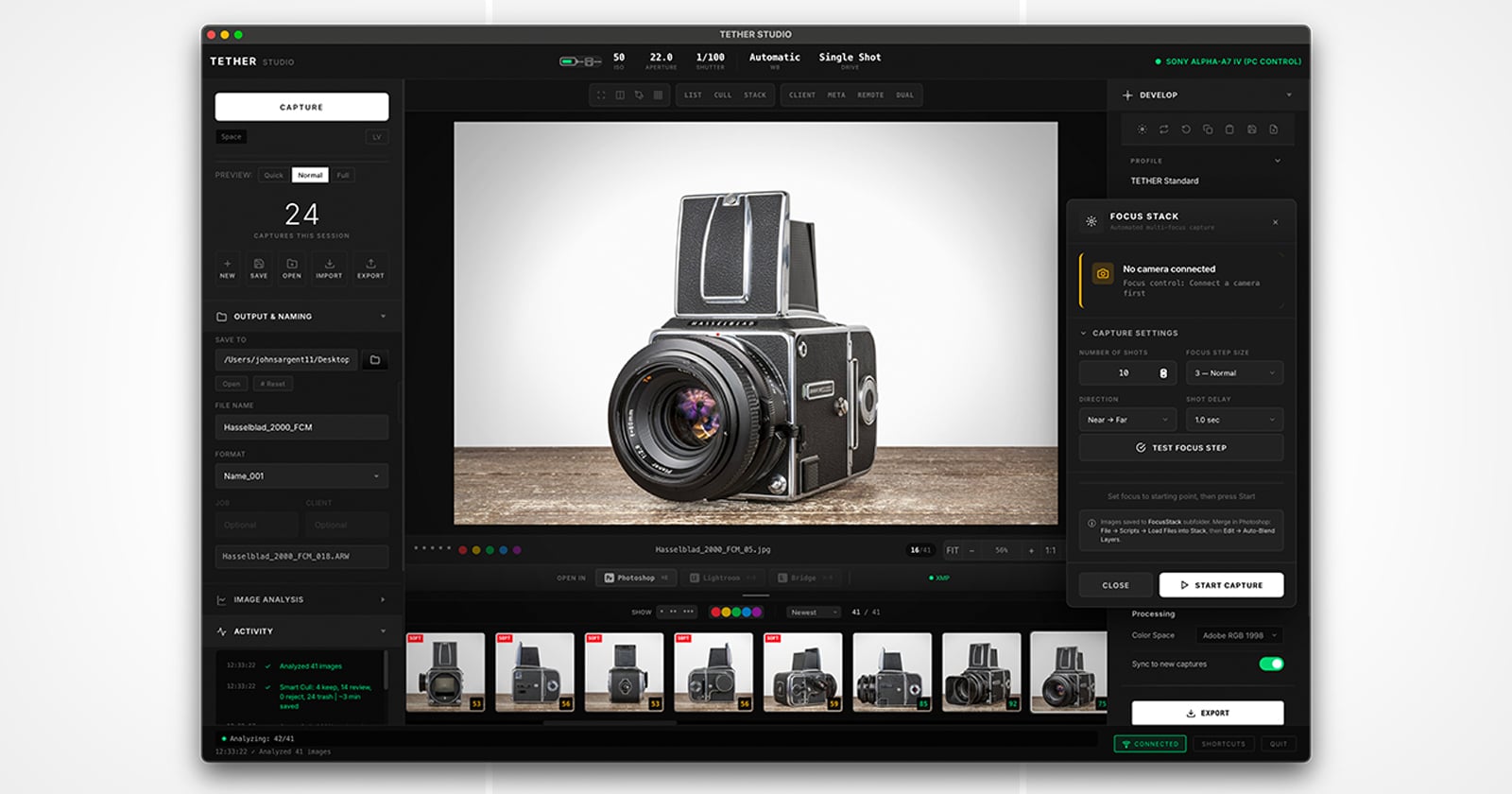
In a world increasingly saturated with subscription-based services, the story of John Barnard—a commercial photographer and retoucher—offers a refreshing perspective on creativity and problem-solving. For over a decade, Barnard has lent his artistic vision to high-profile campaigns for brands such as Nike and Apple. However, it wasn’t an artistic frustration or a sudden epiphany that drove him to innovate; rather, it was a moment of technical failure—a broken tethering connection on set. This experience compelled Barnard to create his own tethering app, an endeavor that not only addresses a personal pain point but also serves as a response to the growing fatigue many creatives feel toward subscription models. This narrative resonates deeply in an age where artists are continually bombarded with service fees that can stifle creativity and accessibility.
Barnard’s journey highlights a crucial aspect of the contemporary creative landscape: the importance of autonomy. As artists seek tools that align with their unique workflows, the rise of subscription fatigue becomes a significant barrier. While options like cloud storage and software-as-a-service models can streamline operations, they often come with recurring costs that add up over time. The discussion around these financial burdens is evident in our own articles, such as Thoughts about ai clean up tools, where newcomers to photography editing grapple with the complexities of software fees. Barnard’s initiative to develop a tethering app not only alleviates a specific technical nuisance but also serves as an inspiring reminder that necessity is the mother of invention.
Moreover, Barnard's venture speaks to a broader cultural shift within the creative community: a yearning for authenticity and genuine engagement. In a marketplace filled with generic solutions, the emergence of bespoke tools crafted by professionals for professionals can reinvigorate the industry. His app symbolizes a return to a more personal and sustainable approach to creativity, prioritizing the user experience over profit margins. This sentiment echoes in discussions around the limitations of mobile photography, as explored in articles like India’s Tiger Reserves Are Banning Smartphone Photography, where the authenticity of experience is called into question. Barnard’s success exemplifies how a focus on genuine needs can lead to innovative solutions that resonate with a community eager for change.
As we look toward the future, Barnard’s story prompts a vital question: how can creatives reclaim ownership of their tools and processes in an era dominated by commercial interests? His experience serves as a beacon for photographers and artists alike, encouraging them to think critically about the software they rely on and to advocate for solutions that truly serve their needs. The emergence of more personalized tools could signify a shift away from one-size-fits-all subscriptions, paving the way for a more tailored and empowering creative landscape.
Ultimately, Barnard’s decision to build his own tethering app is more than an individual solution; it’s a call to action for all creatives to explore avenues of innovation that stem from their authentic experiences. As the industry evolves, it will be fascinating to see how many others follow suit, embracing the challenge of creating tools that reflect their unique artistic journeys while resisting the pull of conventional subscription fatigue.
For more than a decade, commercial photographer and retoucher John Barnard has worked across high-end campaigns for brands including Nike, Apple, Restoration Hardware, and Pottery Barn. But after 15 years in the industry, what ultimately pushed him to build his own software wasn’t a creative breakthrough or a business pivot. It was a broken tethering connection on set.
Read on the original site
Open the publisher's page for the full experience