Our Take: The weight of legacy, the sharpness of truth.
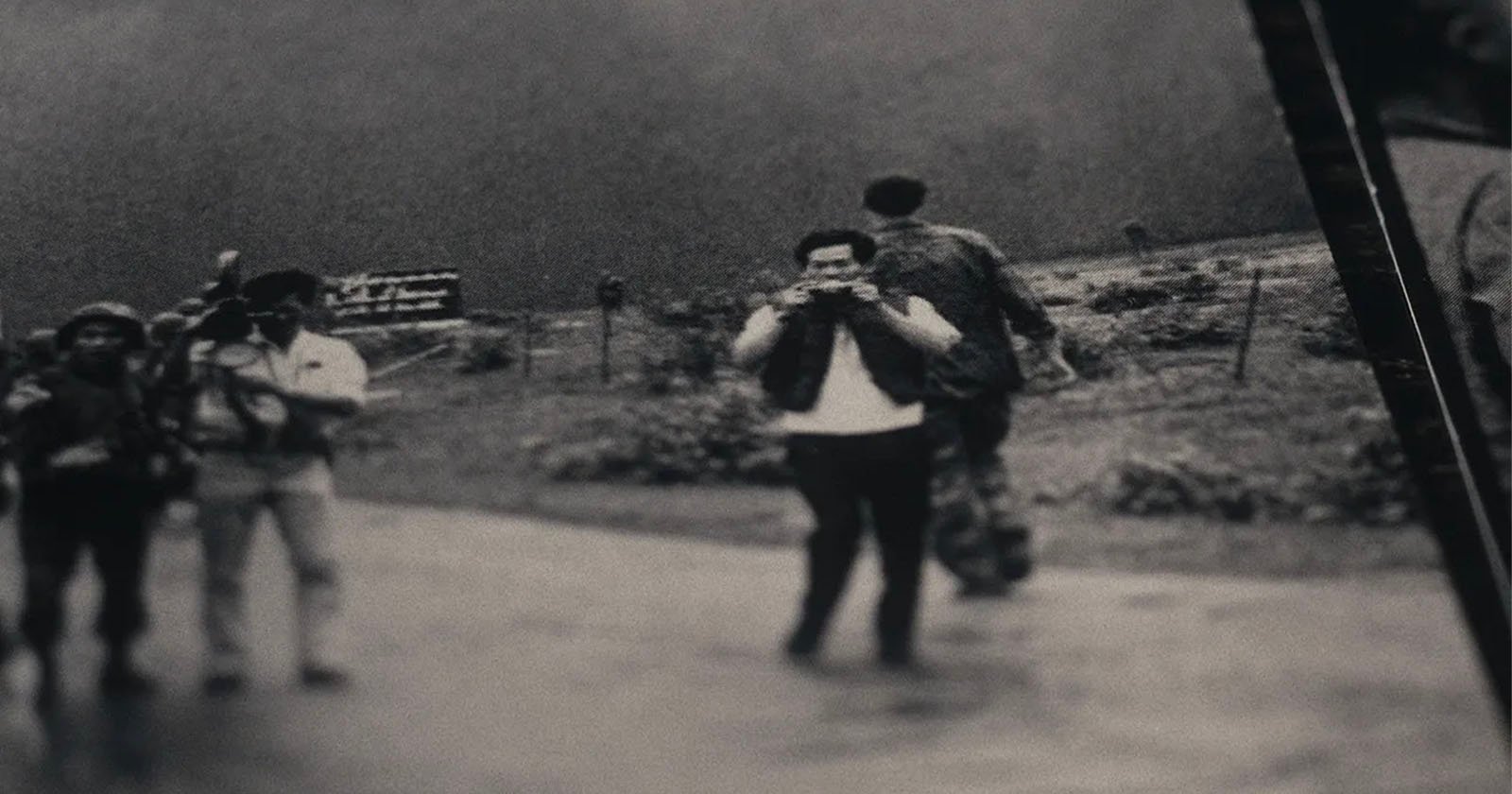
In the realm of visual storytelling, where moments are captured and narratives are forged, the integrity of the image and the honor of its creator are paramount. The recent news regarding photojournalist Nick Ut's legal action against Netflix and the VII Foundation over claims within the documentary "The Stringer" brings this critical intersection into sharp focus. This situation underscores the profound responsibility that comes with interpreting and presenting the work of artists, particularly those whose careers are built on documenting pivotal historical events. The power of a photograph lies not only in its aesthetic composition but in its unvarnished truth, a truth that can define perceptions and shape understanding for generations. When that truth, or the narrative surrounding its creation, is called into question, it affects not just the individual artist but the very fabric of how we engage with visual history.
The act of legal recourse, as taken by Mr. Ut, speaks to a deeply held conviction about the sanctity of his work and his reputation. It is a reminder that behind every iconic image is a human being, an artist who poured their skill, courage, and perspective into its creation. The legal process, while often complex and challenging, serves as a vital mechanism for upholding artistic integrity and seeking accountability when perceived injustices arise. This case invites us to consider the delicate balance between documentary filmmaking’s interpretive power and the indelible rights of the photographers whose images form its foundation. It’s a conversation that extends beyond the courtroom, urging us all to approach visual narratives with a discerning eye, respecting the original intent and the enduring legacy of the artists who bring these stories to life.
Ultimately, this situation serves as a poignant reminder of the enduring importance of authenticity and respect in the presentation of art and history. The curated narratives we consume have a tangible impact, and ensuring their accuracy and fairness is a collective endeavor. It encourages a deeper appreciation for the craft of photojournalism and the individuals who dedicate their lives to capturing the world as it is, inviting us to engage with their work with both admiration and a commitment to upholding the truth they so bravely document.