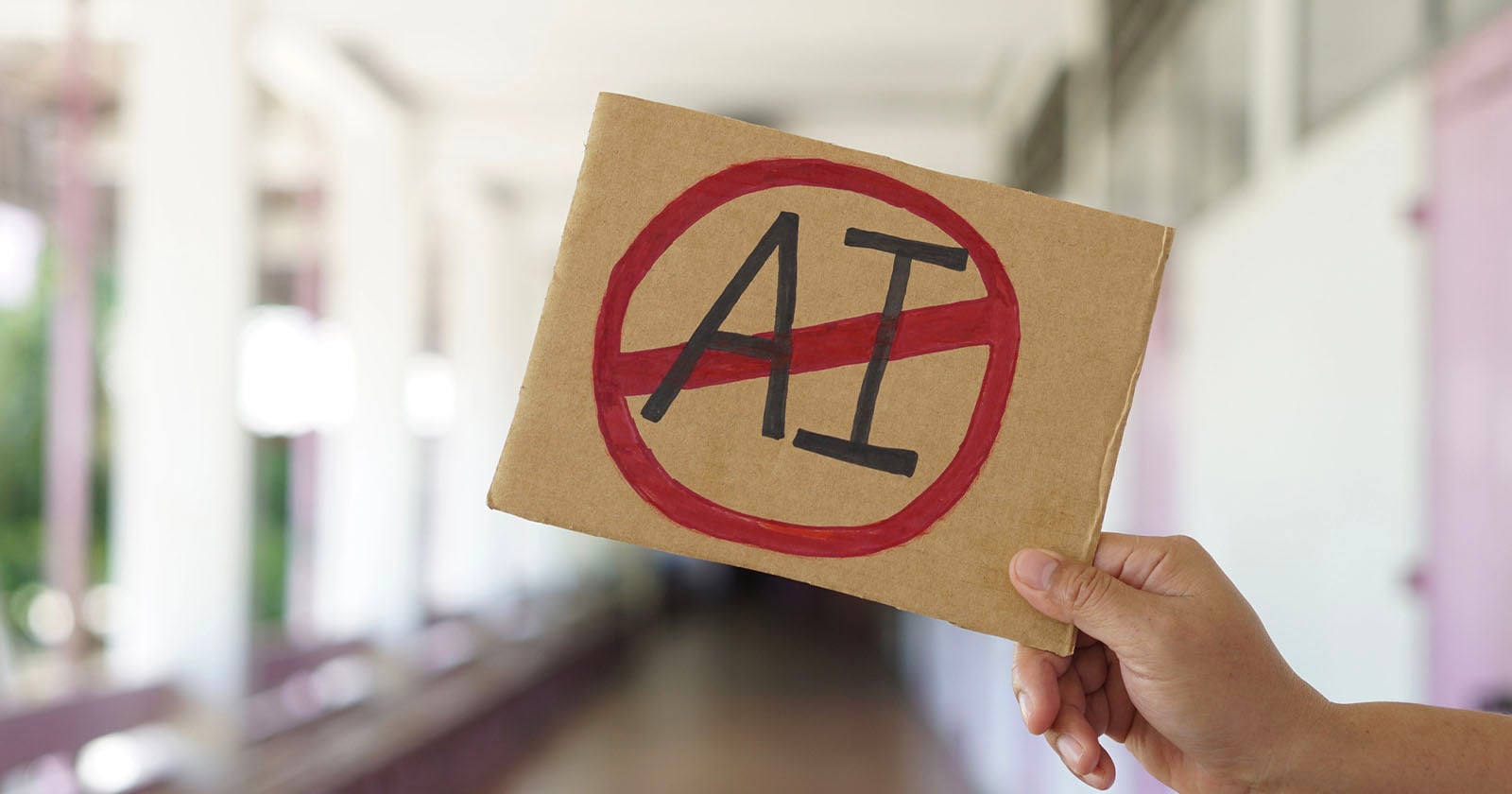
Every so often, a story comes along that restores a little faith in the digital ecosystem. Last week, we reported on the unsettling revelation that Cara, the anti-AI photo app, had its entire library scraped into a dataset despite the platform's explicit refusal to consent. It felt like a familiar gut punch: another wall of rules, another breach. But then came the unexpected resolution, a change of heart from the very Redditor who did the scraping. It's a rare moment of accountability that deserves more than a headline.
For our readers, this is more than a feel-good footnote. It's a reminder that the conversation around AI is not a monologue from faceless corporations. When we covered Adobe's move to nestle Lightroom and Photoshop directly inside Gemini, we saw the same tension: creative tools are becoming inseparable from AI engines. And just last month, we watched a CEO's aspirational AI-edited photo become a story about unexpected exits. The Cara incident felt like the logical endpoint of that friction, a world where your stance on AI is only as strong as the last scraper's mood. But this resolution flips the script. It suggests that individual responsibility can still intercept the machine's momentum. That's not naivety; that's a precedent.
What we'd tell a reader who asks, "So what do I do with this?" is simple: let it refine your own boundaries. If you're a photographer or a creative using platforms like Cara, this doesn't mean your data is safe, it means the person on the other side of the screen is still capable of listening. That's not a technical guarantee; it's a human one. We're not suggesting you lower your guard. But this moment invites you to consider how you negotiate consent when the tools you use are, by design, porous. The practical takeaway here is not to trust the platform, but to trust the conversation. Ask yourself how you respond when someone oversteps your work's boundaries. Do you have a script for that? Or are you just waiting for the next scrape to make the decision for you?
The real question we're left with isn't whether AI will keep testing our limits, it will. It's whether we'll hold ourselves to the same standard of grace we expect from others. The Redditor's change of heart is one data point, but it's a beautiful one. We're watching to see if Cara's stewards will now codify this kind of accountability into their own terms of service. If they do, they might just set a standard that feels less like a fortress and more like a handshake. That's a detail worth keeping an eye on.