Our Take: The Living Atlas of American Life
In an age where fleeting images flood our feeds and disappear within seconds, Carol Highsmith's monumental undertaking stands as a profound counterpoint to the ephemeral nature of modern photography. For decades, she has traveled to every corner of the United States, amassing a collection of approximately 100,000 images that capture the authentic spirit of American people and landscapes. Now, thanks to an interactive map that organizes this vast archive geographically, viewers can explore her work with the click of a mouse, journeying from coast to coast through frames that reveal both iconic landmarks and overlooked corners of the country. The project, made possible by her donation of these images to the Library of Congress under a Creative Commons license, represents a rare act of cultural generosity—a photographer opening her life's work to the public in a way that invites exploration, education, and personal connection.
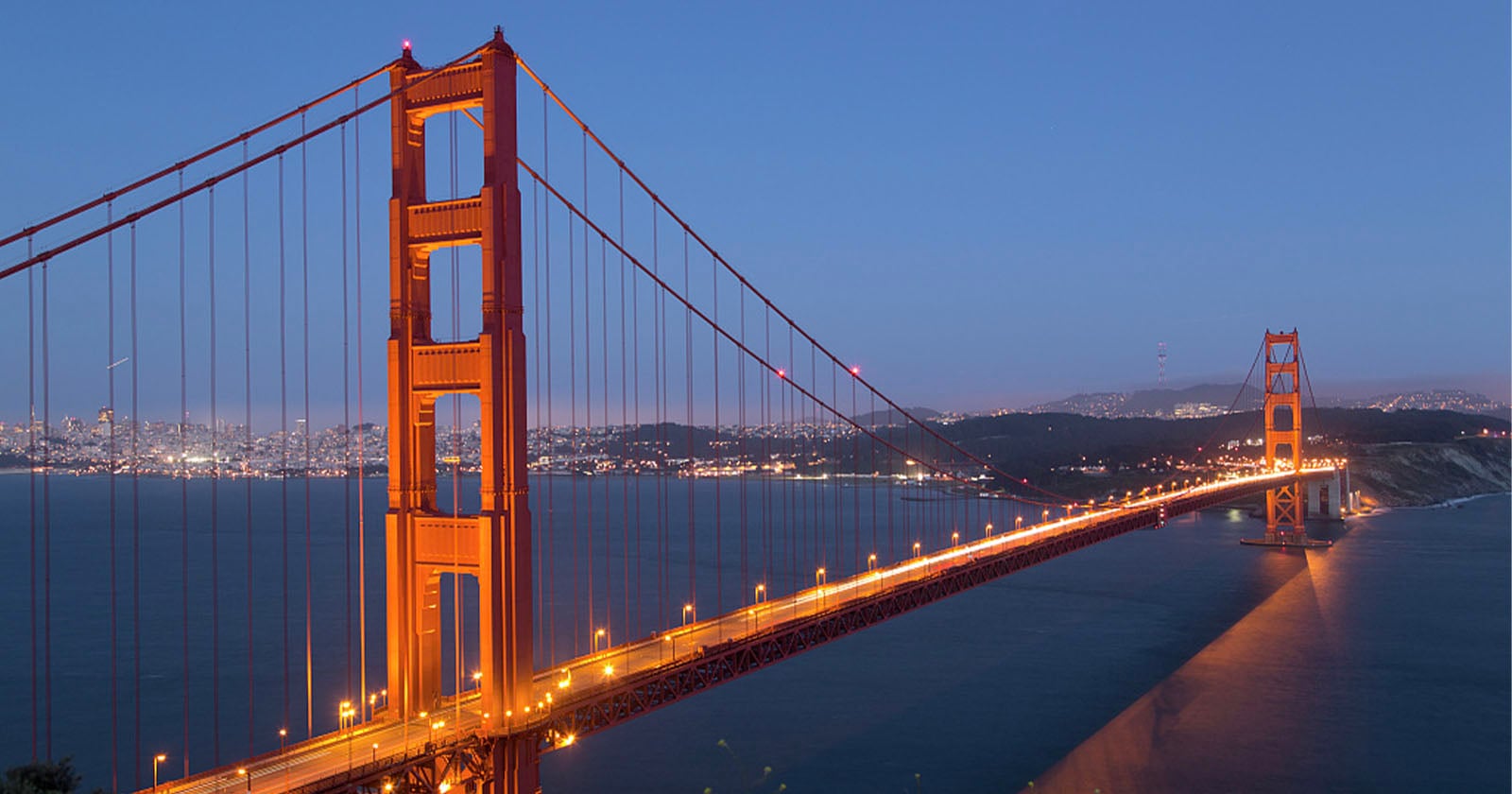
What makes Highsmith's work particularly resonant is its commitment to authenticity in an era dominated by filters and staged content. Her images do not seek to transform or idealize their subjects; instead, they document the unvarnished beauty of everyday American life, from the golden glow of the Golden Gate Bridge at dusk to the quiet dignity of small-town main streets. This approach aligns with a growing appreciation for genuine, uncurated representation in visual storytelling, a trend that reflects our collective desire for something real in a world of carefully constructed personas. The interactive map amplifies this authenticity by allowing viewers to discover images on their own terms, following curiosity rather than having a narrative imposed upon them. It transforms passive consumption into active exploration, inviting users to become travelers in their own digital space.
The significance of this archive extends beyond individual appreciation to broader questions about how we preserve and access our collective visual memory. Highsmith's decision to place her work in the public domain ensures that these images can be used by educators, journalists, artists, and anyone who might find meaning in them—a democratization of cultural heritage that feels increasingly vital in an era of restricted access and paywalls. As photography continues to evolve with new technologies like those discussed in reviews such as the [LUMIX L10 Review: A Photographer's Favorite Camera?](), the fundamental question remains: what do we choose to preserve, and who gets to see it? Highsmith's answer is both simple and revolutionary—everything, and everyone.
Looking ahead, her project raises compelling questions about the future of documentary photography and public archives. Will more photographers follow her lead in making substantial bodies of work freely accessible? Can interactive platforms like this map help reconnect Americans with the diverse landscapes and communities that define their country? In a time of increasing polarization, an archive that celebrates the visual richness of everyday American life—without agenda or editorializing—may prove more valuable than ever. The map is not just a tool for viewing photographs; it is an invitation to see our nation anew, one frame at a time.