Plans to Stop People Pulling Over on Big Sur to Take Photos of Bixby Bridge
Our take
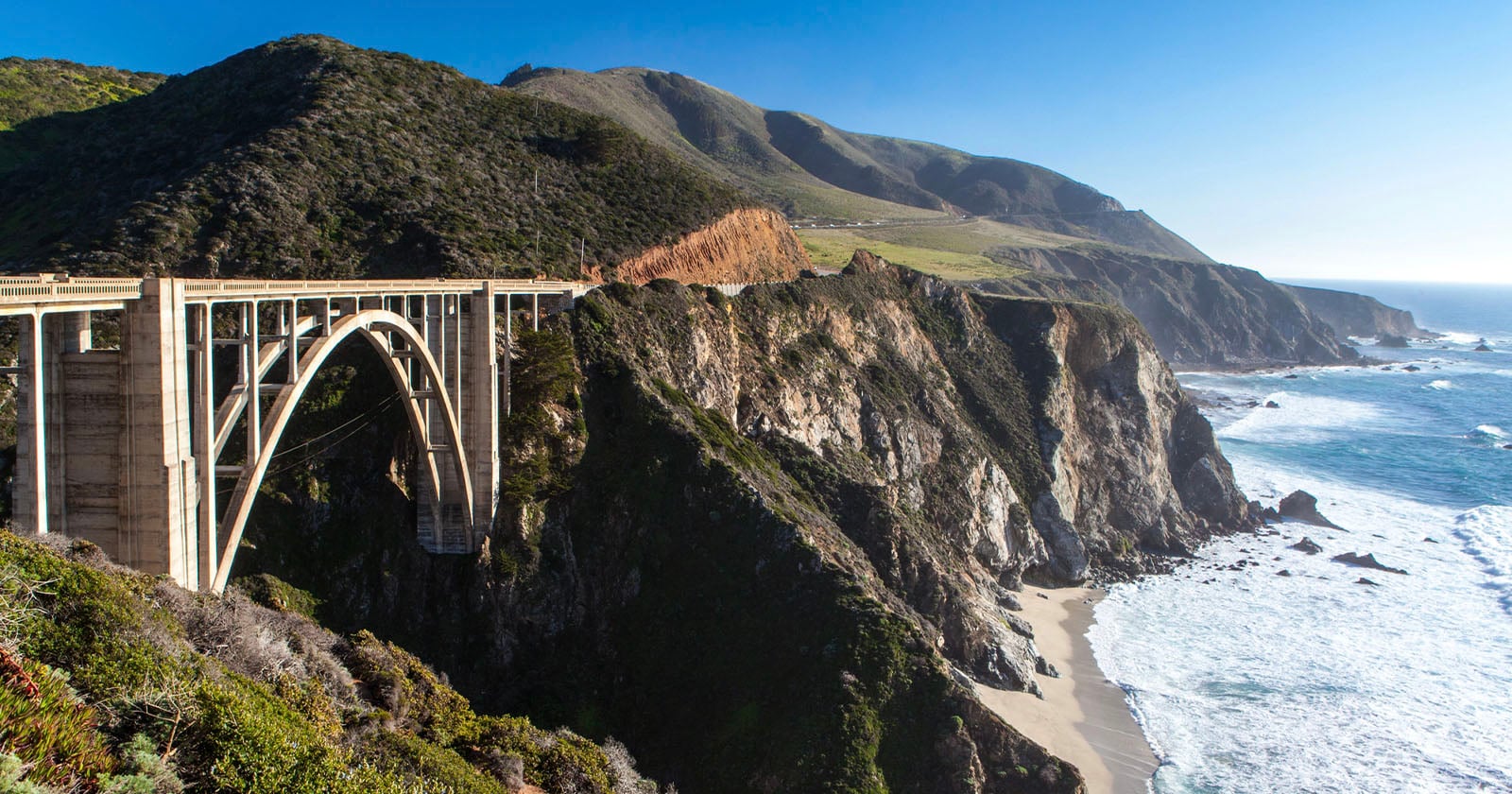
The recent announcement from California authorities seeking to curb photograph-taking at Bixby Bridge on Big Sur—through the implementation of no-parking zones—strikes a complicated chord within our community. It’s a development that underscores the ever-tightening intersection of artistic expression, public access, and the preservation of iconic landscapes. We’ve long championed the pursuit of compelling imagery, as evidenced in our recent exploration of The 6 Best Travel Cameras of the Past 10 Years, and understand the desire to capture moments of breathtaking beauty. Yet, this situation highlights a growing tension: the very popularity of a location, fueled in part by its photographic appeal, can ultimately threaten its integrity and accessibility. The issue isn’t simply about preventing someone from taking a picture; it’s about managing the consequences of that act when scaled to thousands of visitors daily, leading to traffic congestion, environmental impact, and safety concerns. It’s a familiar narrative – the allure of a perfect vista drawing crowds that, ironically, degrade the aesthetic it seeks to celebrate.
The move, while perhaps frustrating to photographers eager to document the bridge’s grandeur, isn't entirely unexpected. Similar conflicts have arisen at other popular scenic locations worldwide, as the demand to witness and share these places clashes with the need to protect them. This echoes a larger debate about responsible tourism and the impact of social media’s influence on travel destinations. The desire to replicate images seen online often encourages risky behavior and disregards for local regulations, as explored in a concerning incident where Officials are ‘Refusing’ to Release Bodycam Footage That May Show Cop Stealing Photographer’s Bag, demonstrating the potential for conflict and the erosion of trust when photographers operate outside established boundaries. The Bixby Bridge situation underscores the need for a more nuanced approach—one that balances the public’s right to access and appreciate natural beauty with the obligation to safeguard it for future generations. Simply erecting "no parking" signs feels reactive, a band-aid solution to a deeper systemic issue.
The challenge lies in finding sustainable solutions. Perhaps improved infrastructure, such as designated viewing areas with safe access and ample parking, could alleviate the congestion without completely restricting access. Educational campaigns emphasizing responsible photography practices—staying within designated areas, respecting the environment, and adhering to local regulations—could also play a significant role. Furthermore, exploring alternative viewpoints and encouraging photographers to seek out lesser-known, equally captivating locations along the Big Sur coastline could help redistribute the crowds and reduce the pressure on Bixby Bridge. The predicament also points to the broader role of technology—could drone photography regulations, for instance, be tightened to prevent disturbance and ensure safety? This isn’t about stifling creativity; it’s about fostering a culture of respect for both the art and the environment that inspires it. We also see how equipment choices can impact the experience, with many photographers now turning to compact and efficient gear like those detailed in Helium Design Lab’s HeSL3 Interface Plate Promises To Be the Perfect Pairing for the New Leica SL3-P enabling more discreet and less disruptive image capture.
Ultimately, the Bixby Bridge controversy serves as a microcosm of a larger global trend. As iconic landscapes become increasingly sought-after subjects for photography, the question of how to manage the influx of visitors—and the impact of their presence—becomes ever more critical. What strategies will destinations adopt to preserve their beauty while still allowing for appreciation and documentation? Will technology offer solutions, or exacerbate the problem? And, perhaps most importantly, will photographers and travel enthusiasts embrace a more responsible approach, recognizing that the preservation of the places we photograph is intrinsically linked to our ability to continue capturing their beauty? The answer to these questions will shape the future of travel photography and the landscapes it seeks to celebrate.
Authorities in California are seeking to stop people from taking photos of Bixby Bridge on Big Sur by erecting no-parking signs near the famous spot.
Read on the original site
Open the publisher's page for the full experience