Polaroid’s ‘Analog Summer’ Campaign Pushes Against Digital Overload
Our take
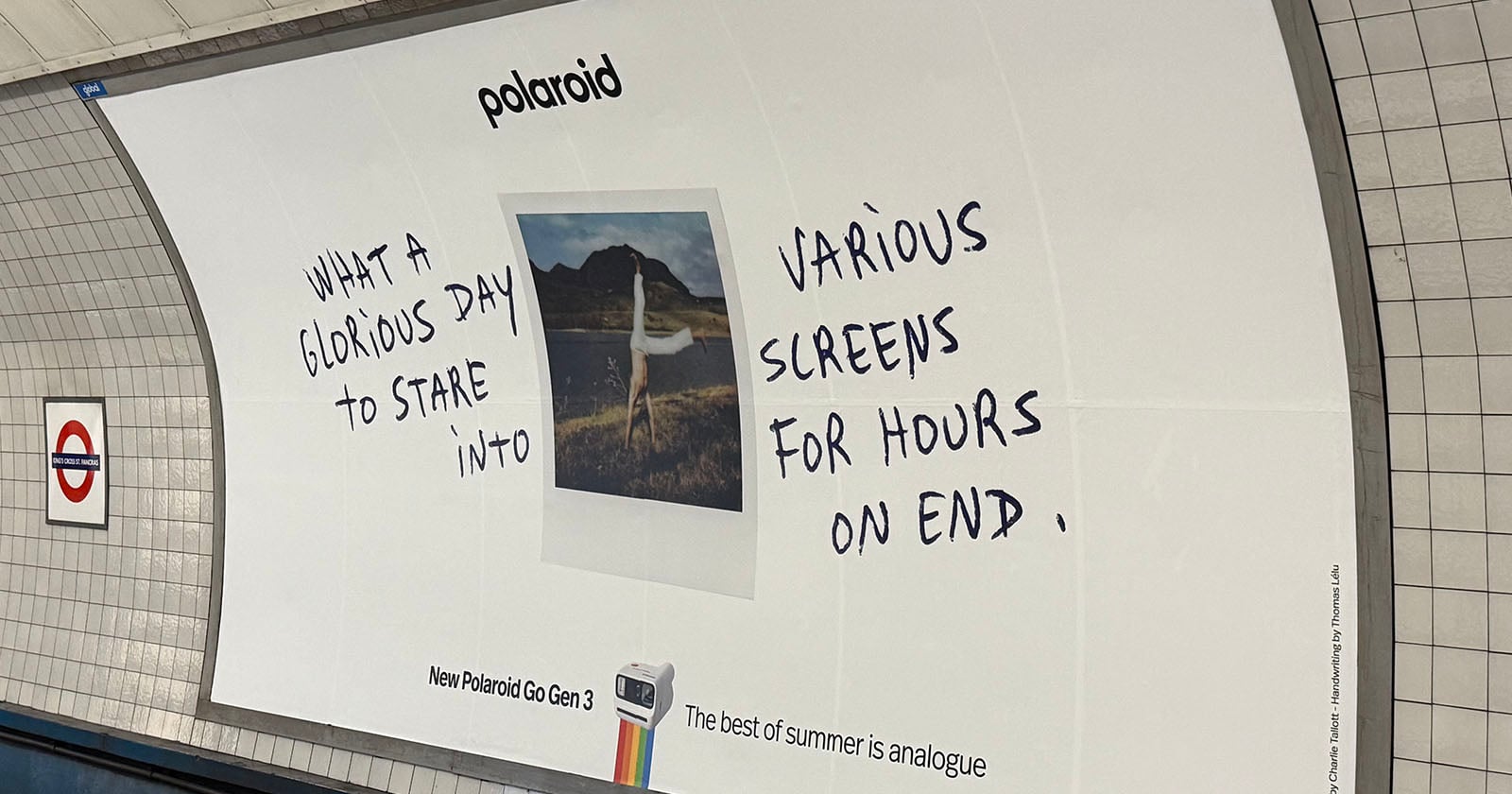
The resurgence of analog media isn’t merely a nostalgic trend; it's a palpable reaction to the relentless saturation of the digital world, and Polaroid’s ‘Analog Summer’ campaign brilliantly taps into this sentiment. The campaign’s clever use of irony – depicting scenes of idyllic summer moments juxtaposed with the suggestion of endless screen time – is a pointed commentary on our increasingly mediated reality. It’s a quiet rebellion against the constant connectivity that defines modern life, a yearning for tangible experiences and unfiltered moments. This echoes a broader movement we’ve observed, as evidenced by the recent news of [Getty Images Strikes Deal with OpenAI, Sending Getty’s Stock Soaring], which, while showcasing the integration of AI and image creation, also subtly highlights the ongoing value of authentic, human-captured imagery. The desire for something genuine, something less manufactured, persists even amidst rapid technological advancement. Similarly, the ongoing controversies surrounding photography at sporting events, like [Another Coach Complains About Photographers at the World Cup], and FIFA’s subsequent actions [FIFA Moves World Cup Photographers After England Coach’s Complaints About ‘Ruined’ National Anthems], underscore a growing tension between capturing moments and respecting the sanctity of experience – a tension Polaroid's campaign implicitly addresses.
Polaroid's strategy isn't about dismissing digital technology; it’s about offering a counterbalance, a deliberate choice to engage with the world in a more present and tactile way. The instant gratification of digital photography, while convenient, can often lead to a detachment from the moment itself. The process of taking a Polaroid – the anticipation of the developing image, the physical print in your hand – forces a slower, more mindful engagement with the subject. This aligns directly with a growing consumer desire for authenticity and a rejection of the curated, often unrealistic, portrayals of life presented online. The beauty of the Polaroid lies not just in the image itself, but in the imperfect, slightly faded quality that speaks of a specific time and place, imbued with a unique, personal history. This contrasts sharply with the infinite, easily-edited, and often homogenised nature of digital photography.
The campaign’s success hinges on understanding that the appeal of analog isn’t about a return to a simpler time, but about reclaiming agency in a world dominated by algorithms and filters. It’s about choosing to be present, to document experiences in a way that feels more personal and enduring. While digital photography remains dominant, the allure of the tangible, the imperfect, and the uniquely human-created is proving remarkably resilient. Brands are increasingly recognizing this shift in consumer values, moving beyond simply providing products to curating experiences that resonate with a desire for authenticity and connection. The resurgence of vinyl records, film photography, and even handwritten letters all point to a similar yearning for a more tactile and meaningful engagement with the world.
Looking ahead, the question becomes not whether analog will completely displace digital, but how these two mediums will continue to coexist and influence one another. Will we see even more brands embracing the power of analog to offer a respite from the digital deluge? Or will the lines continue to blur, with digital tools mimicking the aesthetic qualities of analog photography, creating a hybrid experience that blends the best of both worlds? The ‘Analog Summer’ campaign suggests that the desire for something real, something tangible, will continue to be a powerful force in shaping the future of visual culture.
As digital technology has become ever more ingrained in modern life, a paradox has emerged alongside it: analog pursuits have experienced a remarkable resurgence.
Read on the original site
Open the publisher's page for the full experience