Polaroid’s Anti-AI Ads Cover Up a Dark Secret
Our take
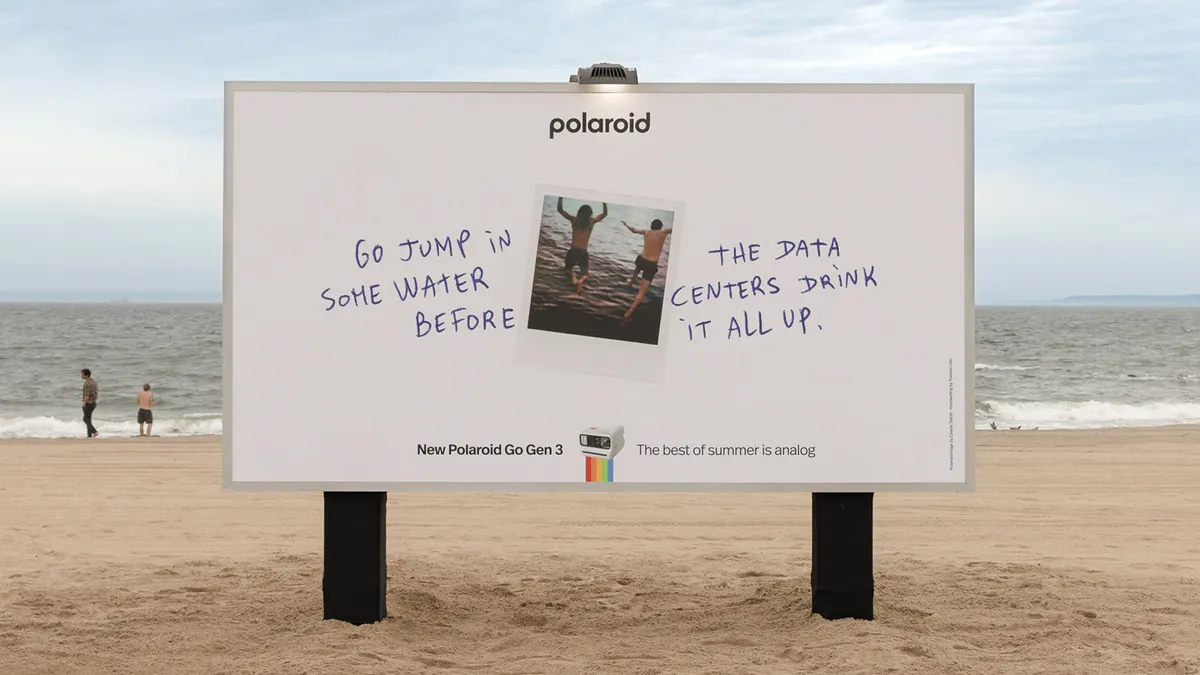
Polaroid’s recent anti-AI billboard campaign, playfully urging passersby to “Go jump in some water before the data centers drink it all up,” feels increasingly dissonant given a concerning revelation highlighted by Creative Bloq: the brand has been implicated in the appropriation of a photographer’s work. While the campaign's aesthetic – the handwritten font, the candid Polaroid snap, the overall vibe of human warmth – serves as a clever counterpoint to the perceived coldness of AI, it’s difficult to ignore the irony of a company built on authentic image capture actively participating in a situation that undermines an artist’s rights. This juxtaposition underscores a larger issue within the creative industries: the tension between leveraging technology for marketing purposes and the ethical responsibilities that come with it, particularly concerning intellectual property. Considering the recent discussion surrounding AI-powered CRM platforms like HoneyBook and their new tools for photographers AI-Powered CRM Platform HoneyBook Launches New Tools for Photographers, it’s clear that photographers are wrestling with how to navigate this evolving landscape.
The Creative Bloq article’s initial framing, emphasizing the campaign’s artistic merit, arguably downplays the severity of the underlying allegations against Polaroid. While visually compelling and conceptually interesting, the campaign’s message of resisting over-digitization rings hollow when the brand itself is accused of profiting from someone else's creative output. This situation highlights the importance of scrutinizing corporate narratives, especially those presented with an artistic or lifestyle veneer. The stability of film prices, as detailed in a recent Analog Cafe report Report Shows That Despite Some Shifts, Film Prices Remain Stable, might seem a world away from the digital debates surrounding AI, but it represents a wider commitment to tangible, original creation – a principle that Polaroid's actions seem to contradict. It's a reminder that the analog world, often lauded for its authenticity, isn't immune to the complexities and ethical challenges of the digital age. The wellness and lifestyle space we often cover, exemplified by articles like "Build Your Best Body in Your 50s" Build Your Best Body in Your 50s, values both physical and intellectual integrity; this incident raises questions about how ethical considerations should be integrated into brand practices.
The core of the issue isn't simply about a photographer's rights being violated; it's about the broader implications for creative ownership in an era of rapid technological advancement. Polaroid’s brand identity is intrinsically linked to the idea of capturing genuine moments, of preserving memories in a tangible form. This incident damages that identity and raises questions about the sincerity of their anti-AI stance. It’s a cautionary tale for other brands seeking to capitalize on the anxieties surrounding AI and digitization – authenticity must be more than just a marketing strategy; it needs to be reflected in a company's ethical conduct. The ease with which creative works can be replicated and distributed digitally necessitates a heightened awareness of copyright and fair use, and brands have a responsibility to uphold these principles, even when it's not in their immediate financial interest. This situation suggests that brands seeking to position themselves as champions of creativity need to ensure their own practices align with that ethos.
Looking ahead, it will be important to see how Polaroid addresses these allegations and what steps they take to rectify the situation. Will they offer a transparent explanation and compensate the photographer? Or will they attempt to bury the incident under a continued barrage of stylish marketing campaigns? The response will not only determine the fate of this particular case but also set a precedent for how brands navigate the increasingly blurred lines between innovation, artistic expression, and ethical responsibility. The question remains: can a brand truly champion human creativity while simultaneously engaging in practices that undermine it?
Read on the original site
Open the publisher's page for the full experience