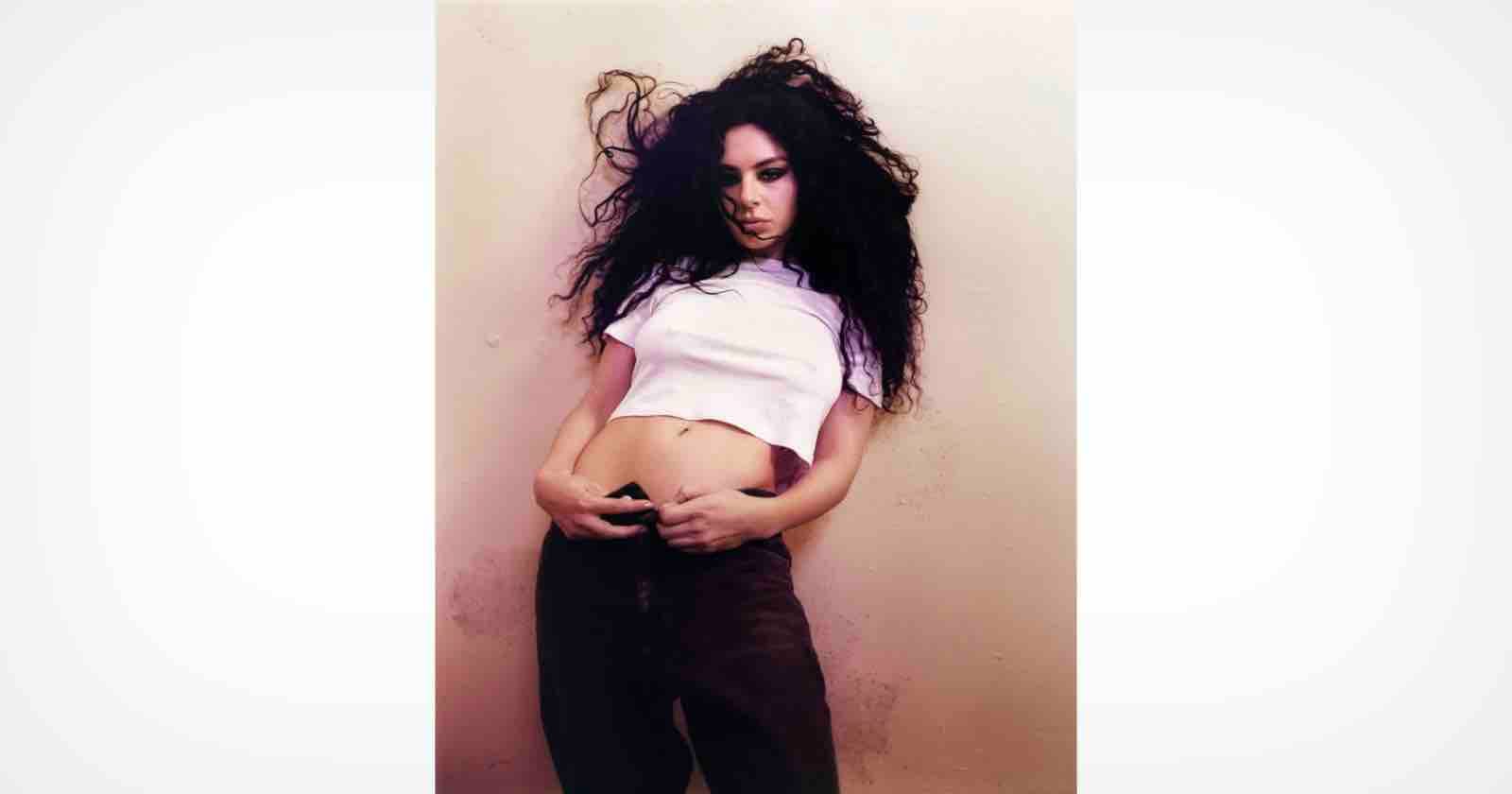
The National Portrait Gallery's acquisition of Harley Weir's photograph of Charli XCX feels less like a coronation and more like a quiet, deliberate placement of a mirror in a grand hall. Weir, whose lens has always favored intimacy over spectacle, captures the pop star in a moment that is simultaneously posed and candid. The curly hair, the serious gaze, the stark wall behind her. It is a portrait that refuses to perform for the institution, even as it enters one. That tension is what makes this acquisition interesting, and it is exactly the kind of curatorial instinct we champion here. It is the same spirit that drives the search for Finding Joy on the Streets, One Frame After Fashion, where the ordinary is elevated not by staging, but by attention.
For our readers, this story is not merely a celebrity headline. It is a signal that the boundaries between high art, commercial photography, and pop culture are becoming productively porous. When a museum chooses a contemporary image of a pop icon, it is not just validating the photographer's craft. It is acknowledging that the visual language of our time is being written in real time, on tour buses, in studio sessions, and on the streets. We have long argued that photography's vitality comes from its immediacy, its ability to capture the texture of a moment before it hardens into history. This acquisition is a testament to that idea, though we would frame it more practically: if you are a photographer, this is your reminder that the work you make today, even the frame that feels too casual or too personal, might be the one a curator wants tomorrow. The key is to keep shooting with honesty, much like the approach seen in Capturing Cosmic Beauty: An Astrophotography Journey with Nikon, where patience and technical precision meet a deeply personal vision.
We would tell a reader who asks, "Is this a big deal?" that it is, but not for the reasons the tabloids will shout about. It is a big deal because it proves that the gatekeepers of visual culture are paying attention to the authentic, unpolished edges of contemporary life. Weir's image does not try to make Charli XCX look timeless in a classical sense. It makes her look present. That is a harder thing to achieve, and it is the reason the portrait belongs in a national collection. It is also a useful counterpoint to the over-produced, hyper-curated aesthetic that dominates much of social media. The photograph reminds us that a serious expression, a simple wall, and a sliver of skin can carry as much weight as any elaborate set design. For photographers, the takeaway is specific: do not wait for the perfect lighting or the grand location. Find the moment where your subject drops the facade, and trust that the camera will hold it.
The real question this acquisition raises is not about Charli XCX's legacy, but about ours. As we continue to document festivals, streets, and the quiet corners of creative life, events like the Experience Photography's Artistry: The 5 Boro Foto Fest Returns remind us that photography is a communal act of seeing. The National Portrait Gallery has made its choice, but the conversation is just beginning. Watch to see which other photographers, and which other subjects, get pulled into the frame next. The wall is no longer the limit. It is just the starting point.