Pope Leo Warns AI Images Are a ‘Powerful Amplifier’ of Disinformation
Our take
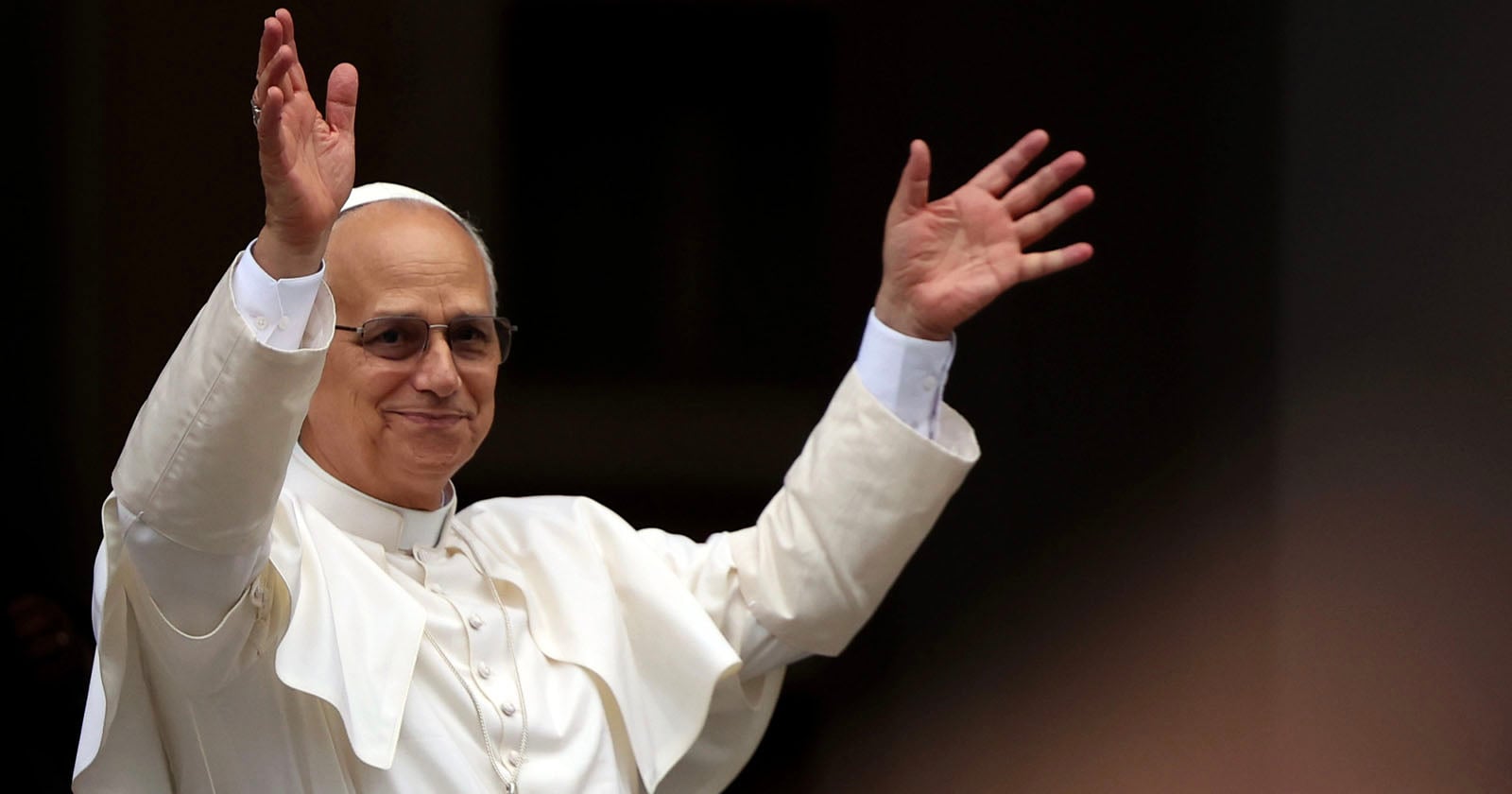
Pope Leo’s recent encyclical addressing the implications of artificial intelligence has raised significant concerns about the technology’s potential to disseminate disinformation. In this digital age, where visual content can be manipulated with alarming ease, the Pope warns that AI image tools serve as a “powerful amplifier” for those intent on spreading false narratives. This cautionary message resonates deeply within a society grappling with misinformation, where the lines between truth and deception are increasingly blurred. The encyclical not only calls for regulatory measures but also invites a larger conversation about the ethical responsibilities of creators and consumers in the digital landscape.
As we navigate this complex terrain, it is essential to consider the implications of AI on the creative industries. Visual artists, photographers, and content creators are already feeling the consequences of an environment where authenticity can be easily compromised. For instance, platforms like X are beginning to crack down on accounts that exploit others' work, as seen in their recent initiatives to protect creators from theft and misrepresentation. This push for accountability underscores a growing recognition of the need for safeguarding artistic integrity in the face of technological advancements. Meanwhile, the intersection of vintage aesthetics and modern performance, as explored in articles like Viltrox Vintage Z1 Pro Flash Offers Retro Style and Modern Performance for Under $60, further illustrates how the allure of nostalgia can coexist with the challenges posed by digital manipulation.
The Pope’s call for regulation is not merely a religious or moral stance; it reflects a broader societal dilemma. The rise of AI-generated content presents an ethical quandary for both creators and consumers. How do we navigate a world where authenticity is at risk, and the potential for manipulation is ever-present? This question is particularly relevant in light of recent misunderstandings surrounding announcements from brands like Fujifilm, which sparked panic among enthusiasts and creators alike due to the rapid spread of misinformation on social media. Such incidents highlight the urgency of Pope Leo’s message, reminding us that the responsibility of truth-telling in our interconnected world falls on all of us.
Looking ahead, the implications of this encyclical extend beyond the realm of faith and into the everyday lives of individuals who engage with technology and art. As creators, we must consider how to uphold authenticity while embracing innovation. The challenge lies in harnessing the power of AI as a tool for creativity, rather than allowing it to become a vehicle for deception. This pivot toward responsibility necessitates a collective effort from platforms, policymakers, and creators to establish a framework that protects the integrity of artistic expression while encouraging the responsible use of technology.
In conclusion, Pope Leo’s encyclical serves as a crucial reminder of the ethical dimensions inherent in our increasingly digital world. As we ponder the future of creativity in the age of AI, we must ask ourselves: How can we foster an environment that prioritizes authenticity while embracing technological advancements? The dialogue has only just begun, and the path forward will require thoughtful engagement from all corners of society.
Pope Leo has released an encyclical about artificial intelligence, urging authorities to regulate the technology and warning that AI image tools have become a "powerful amplifier" for those spreading disinformation.
Read on the original site
Open the publisher's page for the full experience