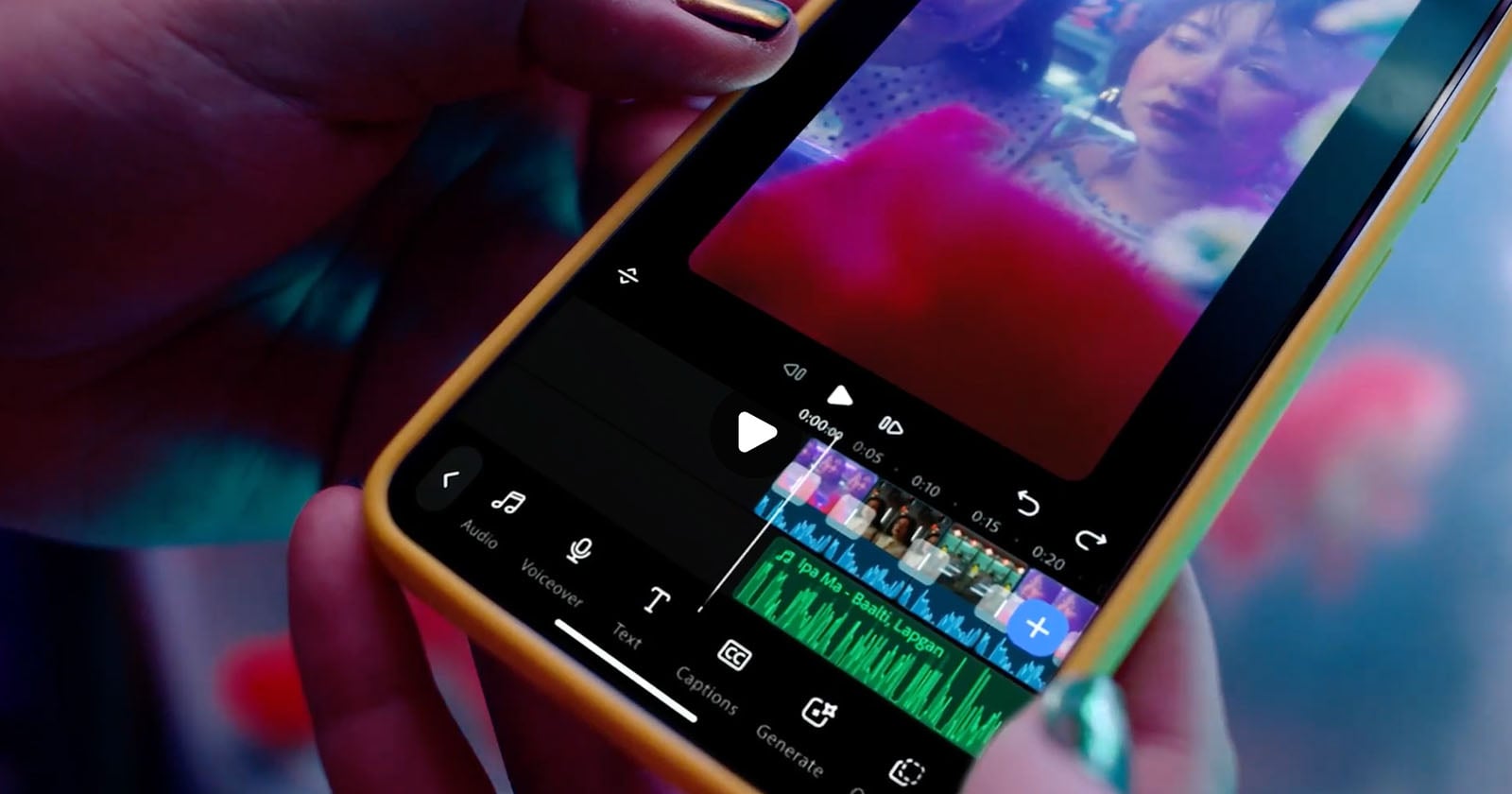
The arrival of Adobe Premiere on Android is more than just a belated fulfillment of a promise; it’s a significant shift in the mobile video editing landscape, democratizing access to professional-grade tools for a wider audience. For years, mobile video editing has largely been the domain of simplified apps, adequate for social media snippets but lacking the depth and nuance required for more serious projects. While innovative solutions like Evoto 8.0 [Elevate Your Story: Evoto 8.0 Unveils Intelligent Editing Tools] have pushed the boundaries of what's possible on mobile, Adobe’s entry represents a validation of the platform’s potential and a clear signal that mobile is no longer an afterthought for serious creatives. The fact that this powerful tool is largely free further underscores this shift, removing a significant barrier to entry for aspiring filmmakers and content creators across the globe. This is particularly relevant given the recent surge in interest in AI-powered creative tools, as demonstrated by the success of Muse AI [Muse AI’s Ascent Elevates Meta, Redefining the App Landscape], which highlights the appetite for accessible, sophisticated technology.
The implications of Premiere’s Android debut are multifaceted. Firstly, it directly challenges the dominance of iOS in the professional mobile editing space. While the iPhone version has enjoyed considerable traction, the Android ecosystem represents a far larger user base, potentially expanding Adobe’s reach exponentially. Secondly, it encourages a broader conversation about the evolving definition of “professional” editing. With the increasing power of mobile devices and the sophistication of apps like Premiere, the line between desktop and mobile workflows is blurring. Creators can now conceptualize, shoot, edit, and share high-quality videos entirely from their phones, streamlining the creative process and fostering a more agile approach to content creation. Consider, for example, the growing interest in augmented reality and wearable technology, exemplified by Meta’s potential release of camera-less smart glasses [Meta Might Be About to Release Smart Glasses Without a Camera]; Premiere on Android allows for immediate editing and refinement of footage captured through these emerging platforms.
Beyond the technical capabilities, the availability of Premiere on Android reflects a broader trend towards accessibility and empowerment within the creative industries. The ‘mostly-free’ model, while requiring a subscription for certain advanced features, significantly lowers the barrier to entry, allowing independent filmmakers, social media influencers, and hobbyist creators to access tools previously reserved for studios and professionals. This democratization of creative tools fosters experimentation, encourages diverse voices, and ultimately elevates the quality of content being produced across all platforms. The seamless integration with Adobe’s existing Creative Cloud ecosystem further enhances the value proposition, allowing users to easily transfer projects between desktop and mobile environments, maximizing efficiency and flexibility. It’s a testament to Adobe’s recognition that the future of content creation is increasingly mobile-first, and that empowering creators wherever they are is paramount to their continued success.
Looking ahead, the convergence of mobile editing power, AI-assisted workflows, and emerging hardware platforms promises to reshape the creative landscape in profound ways. Will we see a future where the vast majority of video editing is done entirely on mobile devices? Will AI become an indispensable co-creator, automating tedious tasks and unlocking new levels of creative expression? The launch of Premiere on Android is a pivotal step in this evolution, and it will be fascinating to observe how creators adapt to and leverage these increasingly powerful tools to tell their stories. The question now becomes: how will the industry adapt to a world where professional-grade video editing is truly in everyone's pocket?