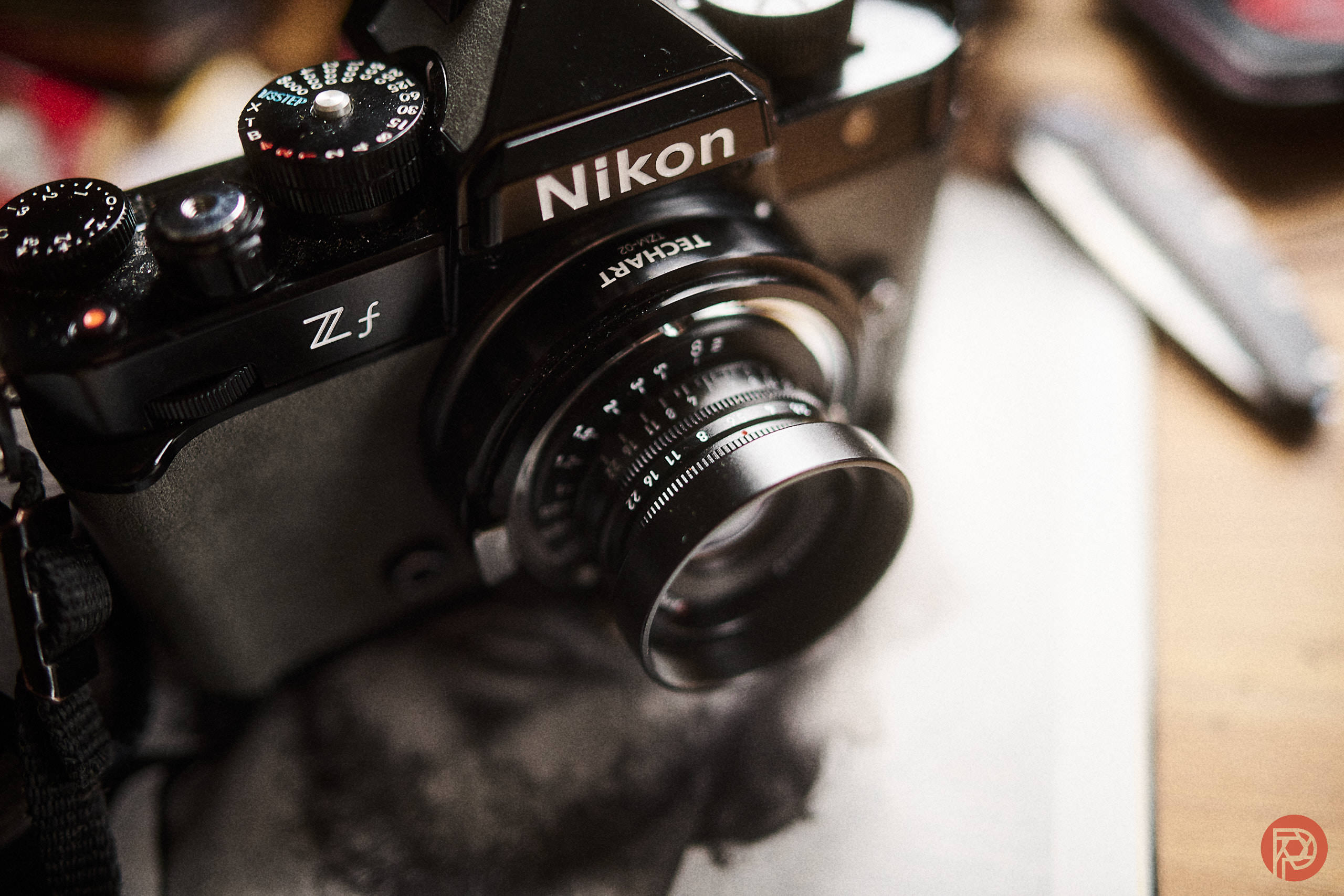
There is something quietly satisfying about a camera that can take a beating. When Nikon sued Viltrox earlier this year over Z-mount intellectual property, the industry chatter focused on legal strategy and lens compatibility. But the deeper story has always been about trust: you invest in a system because you believe it will endure. That same principle runs through the practical advice in our recent article on lens care, which reminds us that weather resistance is only half the equation. As we noted in A Creative Court Win Cracks the Door to Canon's Closed Lens Mount, the battle over mounts is ultimately a battle over longevity. What good is a sealed lens if dust is quietly sabotaging your autofocus from the inside?
The piece makes a claim that deserves more attention: dust affects performance more than most of us realize. We tend to obsess over sensor spots in our images, but the real damage is mechanical. Dirty lens contacts create intermittent communication between body and glass, and your autofocus goes wonky long before you notice a single speck in the frame. The solution is not glamorous, it is a habit of regular contact cleaning, but it is the kind of discipline that separates someone who owns gear from someone who truly cares for it. This is where the Photography Care Program, created in collaboration with Full Frame Insurance, becomes interesting. It acknowledges that even the most meticulous maintenance cannot prevent every mishap. There is a grounded honesty in that: we can control our cleaning routines, but we cannot control a sudden drop or a rogue splash.
What strikes us most is how this practical care philosophy mirrors a broader creative journey. In Unpaid shoots can signal potential, but high-fashion goals demand a curated pivot, we explored how aspiring talent must learn to protect their time and image with the same vigilance. A photographer who neglects their lens contacts is not so different from a model who accepts every unpaid shoot without strategy, both are slowly degrading their instrument. The lesson is consistent: preservation is not passive. It requires intention, whether you are wiping down a mount or curating your portfolio. And when you treat your tools with that level of respect, you earn the right to push them harder.
The takeaway here is specific and quotable: clean your lens contacts every time you swap glass, and treat insurance as a safety net, not a substitute for care. Nikon may build weather-resistant bodies, but no seal protects against neglect. We would tell any reader who asks that the most expensive lens you own is the one you stop maintaining. Watch how dust accumulates on your next shoot. It will change how you prepare for the one after.