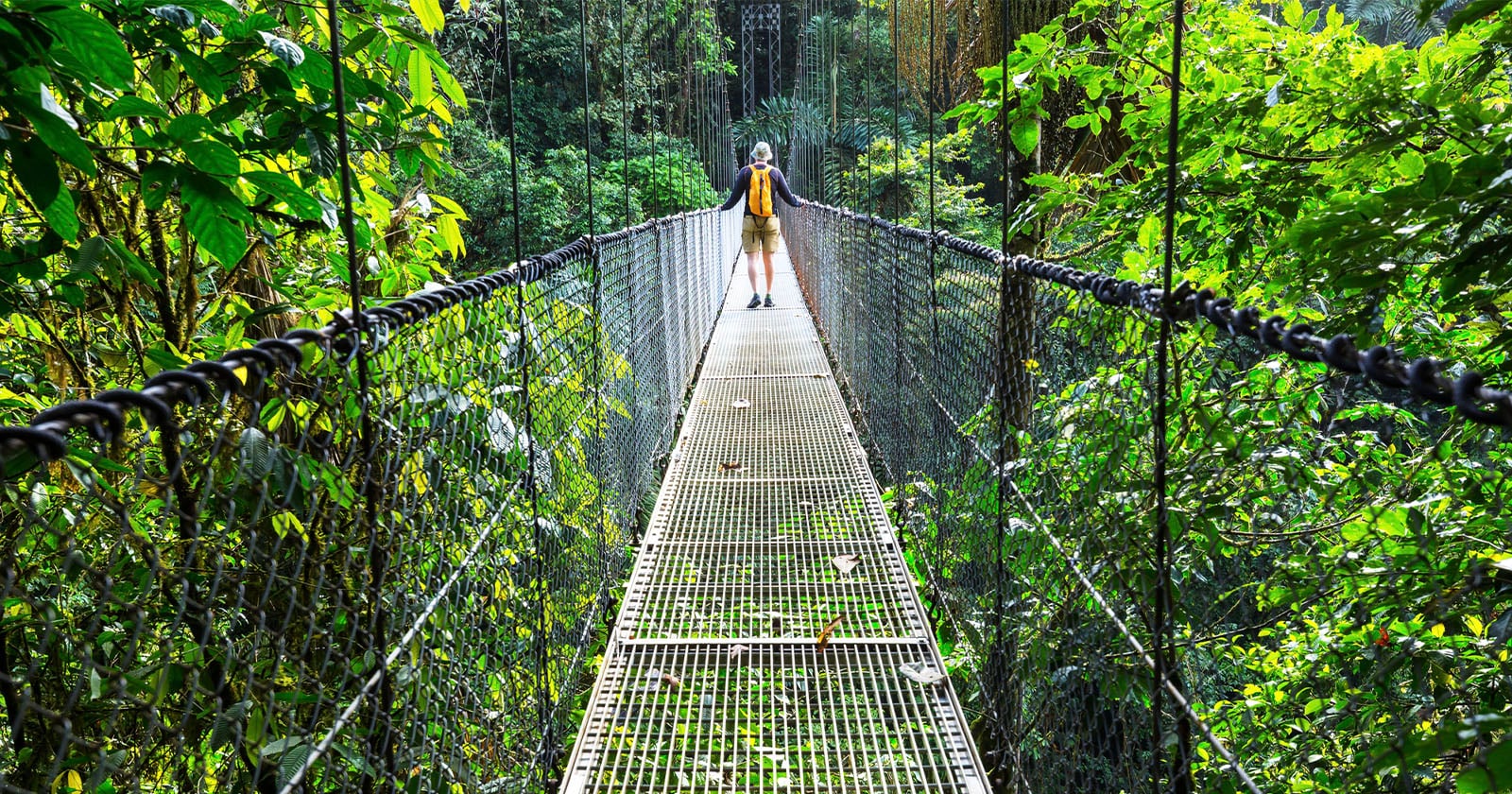
There is a particular kind of magic in a holiday photo: the golden hour light, the unfamiliar street, the way a smile seems to hold the entire trip's joy. But that same image, posted with the best of intentions, is also a breadcrumb. Scammers are now using AI to pinpoint exactly where those moments happened, turning a cherished memory into a map for exploitation. It feels invasive because it is, and it's a quiet reminder that the curated world we share is also a data set.
We are not here to tell you to stop posting. That would be both impractical and a little dramatic. Instead, we want to talk about the difference between sharing and oversharing, and how the line between them is often just a few pixels wide. The article highlights how AI can analyze the background of a photo, the unique curve of a mountain, the specific tilework of a café, to locate you with startling accuracy. For the creative, health-conscious reader we speak to, this is not a reason to hide. It's a reason to be intentional. That photo of your morning smoothie on a resort balcony? The one with the ocean view? It's beautiful, but it's also a geolocation beacon.
So what would we tell a reader who asked us about this directly? We'd say this: treat your feed like a gallery, not a map. Disable location tags on your camera app, not just the social media check-in. Wait until you are home to post that stunning sunset from the cliffside villa. And, most importantly, consider what else is in the frame. A reflection in a window, a hotel key on the table, a receipt with a partial address, these are the quiet details that, when stitched together, tell a story you never meant to share. The goal isn't paranoia; it's curation. You already curate your aesthetic, your wardrobe, your routine. Curate your privacy with the same care.
The real issue here is that we've accepted a trade-off where convenience and connection come at the cost of consent. You didn't agree to have your location sold to data brokers, but here we are, navigating a world where a single image can undermine your security. The takeaway we'd offer is concrete: before you hit post, ask yourself if the image contains a detail you wouldn't want a stranger to know. If the answer is yes, edit it out or save it for a private album. Because the most compelling part of your story shouldn't be how easily someone else can find you, but the fact that you chose the moment to be seen.