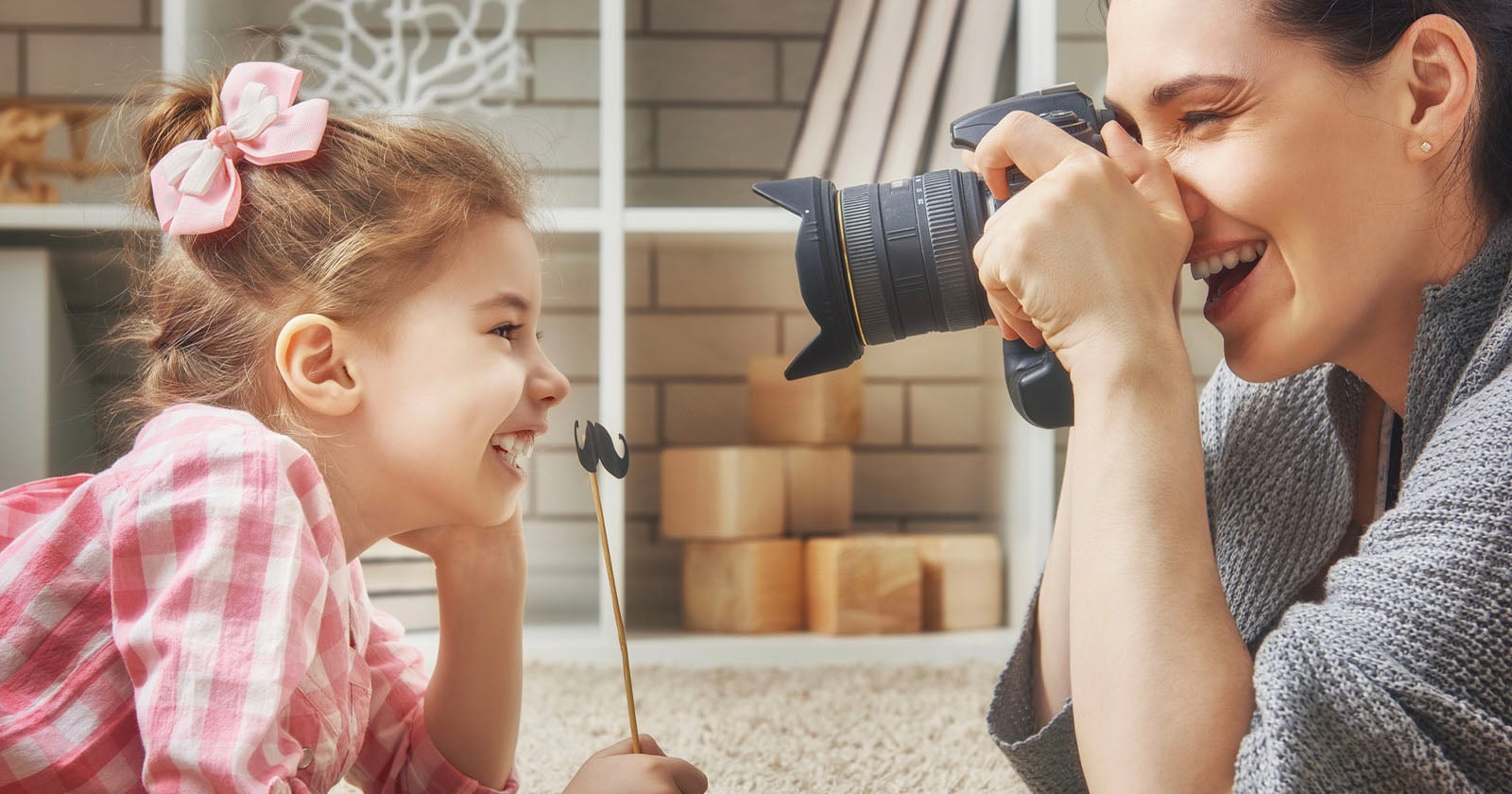
There is a moment in every creative's life when the work we love suddenly feels heavier than it used to. For a Texas-based photographer, that moment arrived with a federal ruling that now protects AI-generated child sexual abuse material under the First Amendment. Her response, as reported, is both simple and profound: she will no longer share identifiable photos of children on social media or her website. She is not stopping taking pictures; she is stopping broadcasting innocence into a world that has decided to blur the line between the real and the manufactured. We think she has just handed every artist, parent, and curator a mirror and asked us to look closely at what we are actually willing to put out into the world.
Let's be honest about what this ruling represents for our community of creators and health-conscious storytellers. We curate images of lifestyle, fitness, and beauty, often featuring families, children, and the unscripted joy of movement. The photographer's decision is not a retreat into fear; it is an act of radical intentionality. When the legal system fails to distinguish between a real child's laugh and a synthetic nightmare, the burden shifts to us. We cannot control what others do with our images, but we can control the door we open. For our readers who document their own kids, their nieces, or their students, the practical takeaway is not to stop documenting, but to ask a sharper question: Does this image need a face to carry its truth? Sometimes the most powerful photograph is the one where the child's identity is a silhouette, a hand reaching for a prop, or a back turned toward the sun. Photographer Stops Posting Kids Photos After Judge Rules AI Child Sex Abuse Images Are Protected is a story about a single shutterbug, but it is also a story about every one of us who has ever double-tapped a cute kid video without thinking.
We would tell a reader who asks for our honest take: this is not about paranoia; it is about taste. The ruling does not force you to share less; it invites you to create with more friction, which is where art actually lives. If you need a stranger's validation to know a child's image is precious, you have already missed the point. The photographer's choice is not a loss; it is a redefinition of what we choose to protect. We are not suggesting you hide in fear, but rather that you adopt the same curatorial rigor you already apply to your wardrobe or your workout playlist. Ask yourself: What is the purpose of this post? If the answer is "to show how cute," then you are trading a child's privacy for a handful of likes. If the answer is "to tell a story about joy," then find a way to tell it without handing over the keys to the kingdom. Photographer’s Response to AI Ruling is a reminder that our platforms are not galleries; they are public squares, and not everyone in the square has your best intentions.
The specific detail we are watching is the ripple effect on family photographers and lifestyle brands who rely on authentic, relatable content. If a professional in Texas, who likely built her portfolio on the very images she is now withholding, decides that the risk is too high, what happens to the next generation of visual storytellers? The concrete point we want to leave you with is this: the next time you reach for your camera at a birthday party or a beach day, pause and ask yourself who you are really serving with that image. Because the innocence we protect is not in the pixels, the prints, or the posts. It is in the actual, breathing, unshareable moment that exists only between you and the child in front of you. That is the only curation that will ever matter.