There is a particular kind of courage in the quiet act of turning something off. We spend so much of our creative lives chasing the perfect frame, the most flattering light, the most candid moment, that we often forget the weight of the shutter button. The story of the EMT who lost her job for disabling cameras pointed at patients is not just a cautionary tale about surveillance; it is a mirror held up to our own relationship with consent and visibility. It echoes the same tension we see in the world of photography, where the line between documentation and intrusion blurs, much like the recent legal battles over lens mounts that question who truly controls the image. Just as A Creative Court Win Cracks the Door to Canon's Closed Lens Mount challenges the gatekeepers of hardware, this lawsuit challenges the gatekeepers of a vulnerable person's final moments.
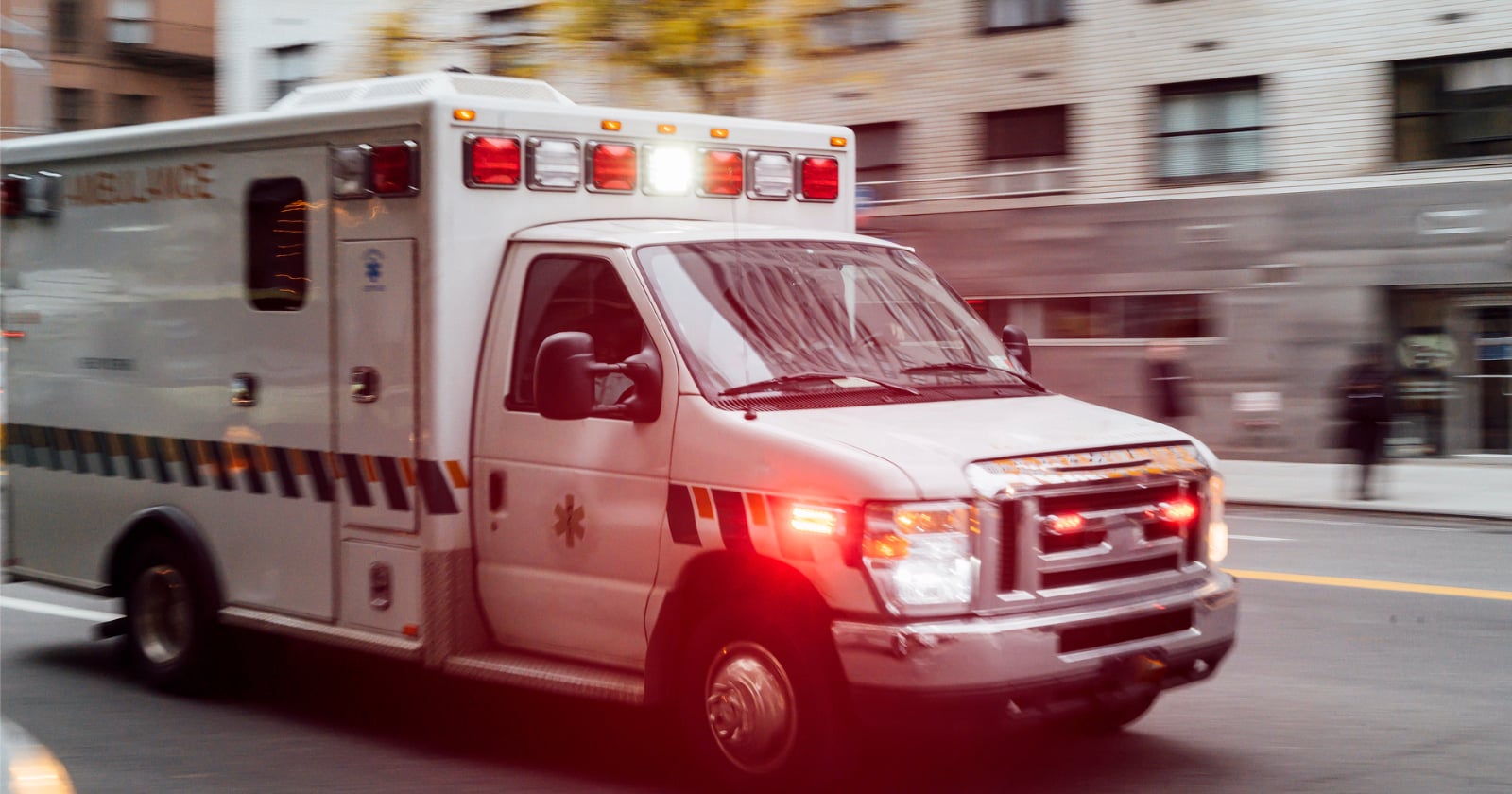
We are a culture obsessed with capturing everything, from the grand gesture to the grimace of pain, often forgetting that the lens is not a neutral observer. The ambulance, in its purest form, is a sanctuary of last resort, a place where the body is exposed and the mind is often elsewhere. To film a patient without their knowledge, particularly in a state of distress, feels less like a safety measure and more like a profound violation of the very trust we place in first responders. Our take is that the EMT, by disabling those cameras, was not being difficult; she was being human. She was asserting a basic principle that seems to get lost in the rush toward total documentation: that privacy is not a luxury for the healthy, but a right for the vulnerable. It is a sentiment that feels increasingly rare, yet it is the same instinct that makes us value the authenticity of a candid shot over a staged one, a principle we explore in our coverage of how Capture the Moment: Yashica’s New Keychain Cameras Embrace Gen Z Style celebrates the raw, unpolished reality of life over the perfectly curated feed.
The practical takeaway here is not just about the legal outcome, which will hinge on the specifics of employment policy and patient rights, but about the choices we make every day with our own devices. When we point a camera, we are making a statement about who deserves agency. The $800,000 lawsuit is a number, but the real cost is measured in the erosion of dignity that happens every time a person in a gurney realizes they are being watched without a word of consent. For our readers, whether you are a professional photographer or a hobbyist, this is a reminder that the best image is not always the most revealing one. It is the one that respects the subject enough to ask, or to look away entirely.
As this case moves forward, we will be watching to see if the courts side with the principle that compassion should not be filmed without permission. The question is not whether cameras belong in ambulances, but whether we have the moral clarity to know when to turn them off. For the EMT, the answer was simple. The question now is whether her employer, and the rest of us, can learn to see it that way too. Will the industry treat this as a one-off incident, or will it spark a necessary conversation about the ethics of always-on recording in spaces we cannot leave? That is the detail to watch, and it will determine whether this becomes a footnote or a turning point.