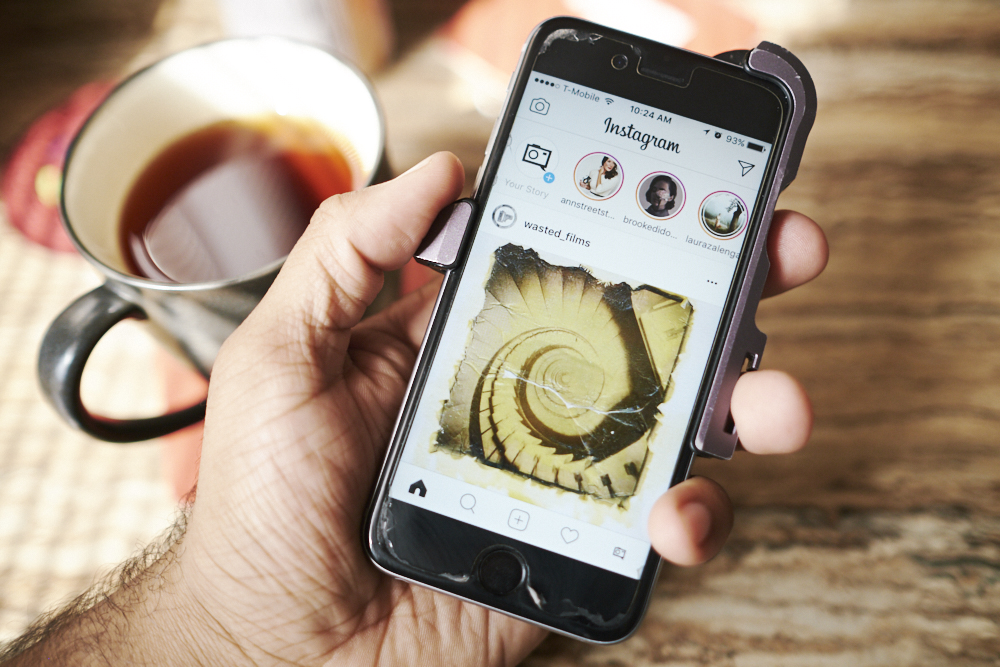
Every time we post a photograph, we are making a quiet bet with a corporation that our art matters more than their terms of service. The recent conversation around ownership on social media is not paranoia dressed in a trench coat; it is the natural consequence of platforms that profit from our work while offering only exposure in return. We have seen this tension play out across the creative world, from Nikon's lawsuit against Viltrox over lens mount patents to the ongoing struggle for photographers to control their own gear and images. The question is not whether you own your photos, but whether you truly understand what you have signed away when you tap "post."
Let's be honest: the legal fine print has never been on your side. When you upload a photo to Instagram or Facebook, you grant those platforms a broad license to use, display, and even sublicense your work, all without paying you a cent. This is not new, and it is not a secret, yet we keep posting because the alternative feels like invisibility. But here is where our take diverges from the usual cautionary tale: the problem is not that you share your work; the problem is that you treat social media as your primary archive. Your phone is not a backup, and your profile is not a portfolio. If you care about your craft, you need to treat these platforms as storefronts, not storage units. As we have noted in our coverage of A Creative Court Win Cracks the Door to Canon's Closed Lens Mount, the fight for creative control often happens in courts and boardrooms before it ever happens in your camera. The same logic applies here: you must be proactive about where your images live and how they are licensed.
What does this mean for you, practically? First, watermark your work, not as an ugly stamp across the centre, but subtly, in a corner that survives cropping. Second, read the platform's terms before you post, not after you have a thousand followers and a sinking feeling. Third, and this is the one we would tell a friend over coffee: keep your own website as the definitive home for your portfolio. Social media is a discovery tool, not a destination. It is where people find you, not where they should fall in love with your work. That happens in a space you control. We see this echoed in Finding Joy on the Streets, One Frame After Fashion, where the joy of street photography comes from the act of shooting, not from chasing likes. The same principle applies to ownership: the moment you tie your worth to a platform's algorithm, you have already lost the argument.
Here is the concrete point we want you to walk away with: your rights do not disappear when you post, but your ability to enforce them becomes exponentially harder with every share and repost. So, ask yourself this before your next upload: if this image went viral tomorrow, could you prove you took it? Do you have the original file, the metadata, the RAW format saved somewhere only you can access? If the answer is no, you are not a photographer with a social media problem; you are a content creator who has handed the keys to your archive to someone else. The answer is not to stop sharing, but to start keeping better records. As we learned from Capturing Cosmic Beauty: An Astrophotography Journey with Nikon, the most breathtaking images require patience and preparation. So does protecting them. Your next post should be your best work, and your next backup should be your first priority.