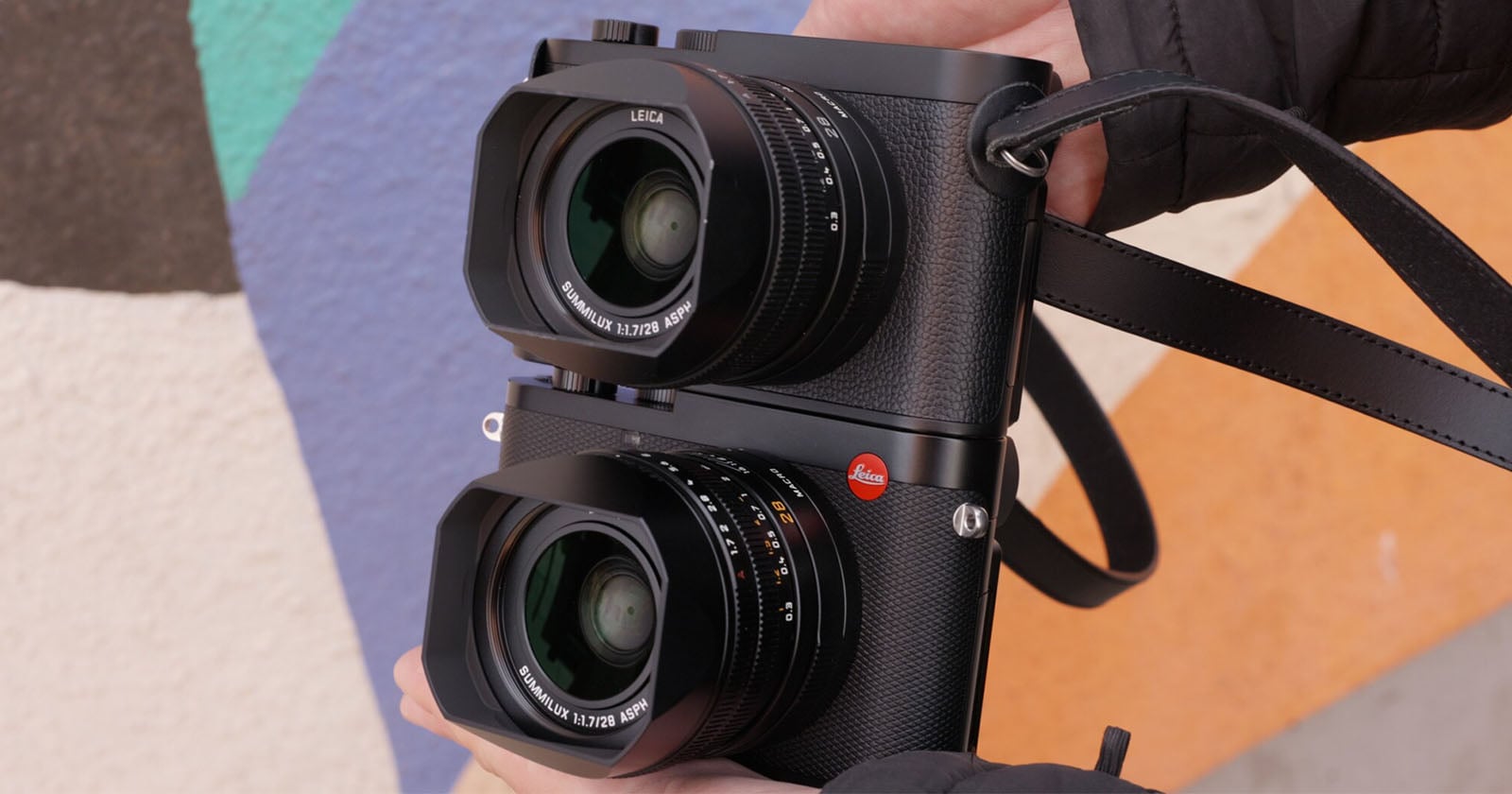
There is a quiet poetry in the revelation that Leica's best-selling series is not the storied M rangefinder, the darling of photographers for generations, but the compact Q. The M has always been the romantic's choice, a camera that asks for patience and rewards with soul. The Q, by contrast, is the pragmatic artist's companion, a fixed-lens marvel that slips into a bag and still delivers that unmistakable Leica rendering. When the company itself confirmed this sales reality during the SL3-P launch in Wetzlar, it felt less like a correction and more like an invitation to rethink what we value in a modern camera. We are not here to mourn the M's crown; we are here to celebrate the quiet triumph of accessibility.
For our readers, this is not just trivia about corporate spreadsheets. It is a signal that the industry's most aspirational name is listening to the pulse of how people actually shoot today. The Q series, with its autofocus, leaf shutter, and integrated lens, removes the barriers that once felt like rites of passage. You do not need to learn the dance of zone focusing or the patience of a manual rangefinder patch. You simply frame, press, and let the camera's engineering carry the rest. This is the same brand that built its reputation on mechanical precision, yet it has found its commercial heartbeat in a camera that prioritizes flow over ritual. For those of you who have hesitated at the M's price tag or learning curve, this news is a quiet permission slip: the Leica experience is no longer a compromise, it is a different door entirely.
We would tell a reader who asks, "Should I care?" that this is less about which model wins a popularity contest and more about what it reveals about Leica's trajectory. The company is not abandoning its heritage; it is curating a future where the essence of its craft is available to a wider, more diverse audience. The SL3-P, with its video-first focus, and the Q series, with its everyday versatility, suggest a brand that is unafraid to evolve without losing its fingerprint. The M will always have its devotees, and we respect that loyalty, but the data from Wetzlar tells us that the next generation of Leica shooters is forming a different habit. They are choosing the camera that disappears into their lives, not the one that demands to be the center of it.
The concrete takeaway here is simple: if you have been eyeing a Q3 or wondering whether the Q system is a "real" Leica, this news is your answer, delivered directly from the source. The company is effectively doubling down on the idea that the soul of a camera is not in its finder type but in the images it allows you to make. So, the next time you see someone with a Q over their shoulder, know that they are part of a larger movement, one that values instinct and light over tradition for tradition's sake. The open question we will be watching is whether this momentum tempts Leica to push the Q's boundaries even further, perhaps with a new sensor or a more compact body. For now, the takeaway is clear: the best-selling Leica is the one that feels most alive, and that is a truth worth framing.