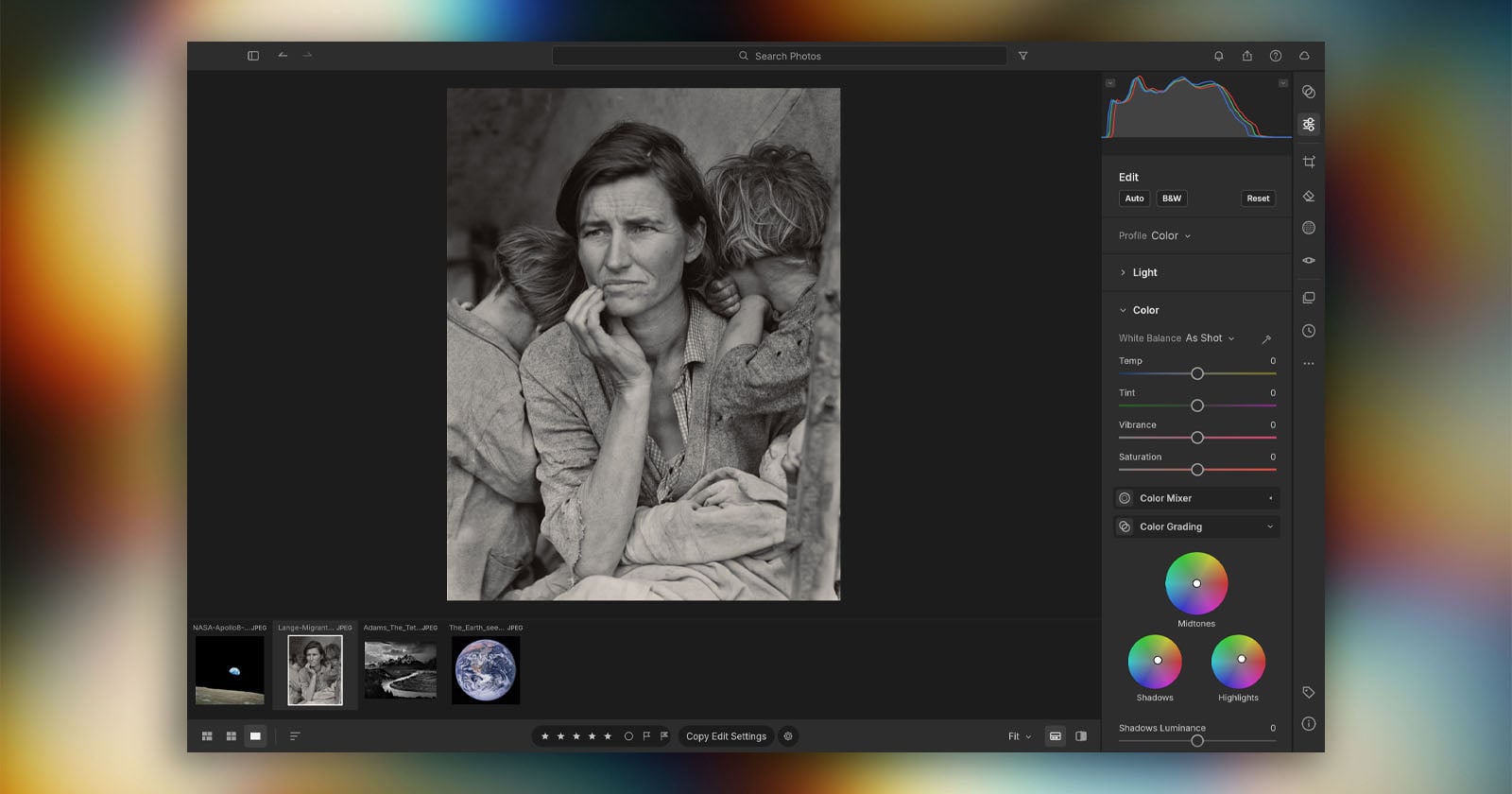
There is something quietly radical about a single software engineer rebuilding Adobe's entire creative suite and giving it away for free. Brandon Thomas has released ArtCraft, an open-source alternative to Photoshop, Illustrator, Premiere, Lightroom, Acrobat, After Effects, and InDesign, available on macOS, Windows, and Linux. This is not a protest, it is a product. And in a world where creative tools have become synonymous with subscription fatigue and corporate gatekeeping, ArtCraft feels less like a technical feat and more like an artful rebellion. We think it deserves attention not because it threatens Adobe's market share tomorrow, but because it reopens a question too many of us stopped asking: what does it mean to truly own the tools of your craft?
The timing is telling. Just last week, we covered how Aperty’s Curated Exit: Skylum Closes Its AI Portrait Chapter Early, a reminder that even well-funded creative software can vanish overnight when the business model shifts. And earlier this month, we explored The Art of the Unfiltered Frame: Choosing Between Raw Vision and Curated Simplicity, a meditation on how much control we cede to the tools we trust. ArtCraft sits at the intersection of those two stories: it offers permanence where Skylum promised longevity, and it hands back control where proprietary software often takes it away. For the creative who values both artistry and autonomy, that is not a small thing.
What makes ArtCraft genuinely exciting is not that it matches Adobe feature-for-feature, it likely does not, at least not yet. What matters is the philosophy baked into its existence. Open-source software has long been the domain of developers and system administrators, not graphic designers and video editors. Thomas is bridging that gap with a suite that mirrors the professional workflow many of us have built our careers around, but without the monthly invoice or the fear of losing access if we miss a payment. For freelancers, small studios, and aspiring artists in markets where a Creative Cloud subscription costs more than rent, this is not an abstract ideal. It is a practical lifeline.
There is also a specific consequence worth watching. Adobe's ecosystem thrives on lock-in: file formats, plugin dependencies, and muscle memory that make switching feel impossible. ArtCraft, by offering native support for the same file types and a familiar interface, directly challenges that inertia. The question is not whether it can replace Adobe tomorrow, it is whether a community of users will rally around it, contribute code, and turn a one-person project into a sustainable alternative. That is the detail we will be tracking. Because the most rebellious act in creative software right now might not be a protest. It might be a download.