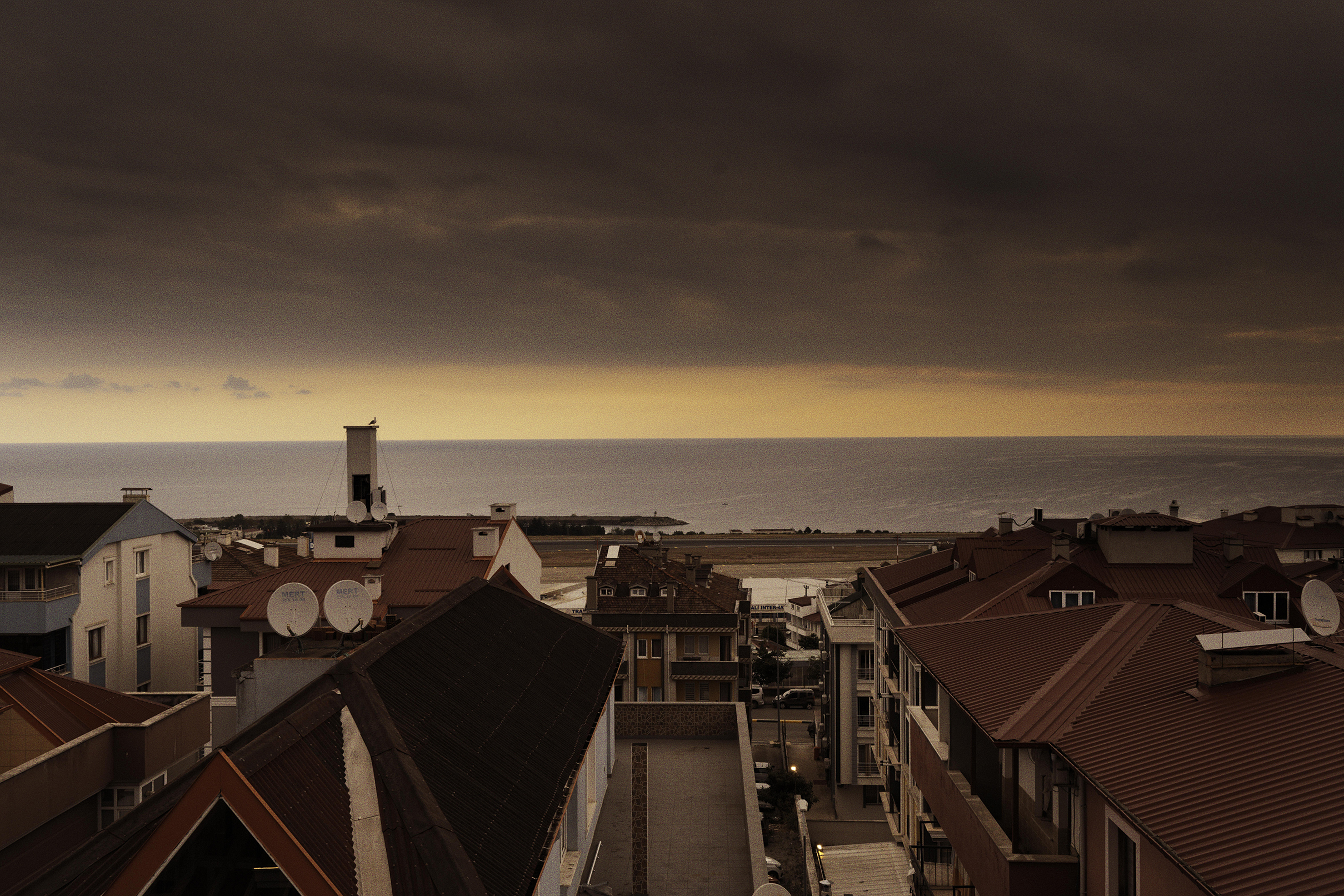
There is a quiet rebellion happening in photography, and it has nothing to do with refusing to shoot digital. It is about refusing to let the technology dictate the mood. The article on DxO FilmPack 8 reminds us that the analog era was never just about grain or color shifts; it was about character, about letting a frame breathe with your own emotional fingerprint. Modern mirrorless cameras are technical marvels, but their clinical precision can leave images feeling sterile, almost too perfect to be personal. This is where the conversation gets interesting, because we are not talking about nostalgia for nostalgia's sake. We are talking about reclaiming a tool for expression in a world that has become obsessed with sharpness and dynamic range.
This piece lands beautifully alongside our own coverage of street photography, where the joy is often found in the unplanned, the imperfect, the candid moment that feels alive. In Finding Joy on the Streets, One Frame After Fashion, we explored how the genre thrives on spontaneity, not technical perfection. Similarly, Capturing Cosmic Beauty: An Astrophotography Journey with Nikon shows us that even the vast, untouchable night sky becomes more intimate when we apply a human touch to the capture. DxO FilmPack 8 is not about hiding behind a filter; it is about giving yourself permission to feel something when you look at your own work. For the photographer who has spent hours chasing the perfect exposure, this software is a reminder that the perfect exposure is not the goal. The goal is a photograph that makes someone pause, that carries a whisper of the moment you lived.
Our take is simple: this is not a lazy shortcut for people who cannot be bothered to learn lighting or composition. It is a bridge back to intentionality. When you sit at your desk and apply a film profile that mimics the warmth of Kodak Portra or the punchy contrast of Fuji Velvia, you are not erasing your digital capture; you are curating it. You are making a choice about how the image should feel, not just how it should look. And that is a deeply artistic act. We would tell any reader who asks us about this: do not think of it as a preset. Think of it as a dialogue with the history of the medium, a way to add a layer of your own aesthetic judgment onto the raw data your camera recorded.
The practical consequence here is that your creative vision no longer has to be postponed until you learn complex editing techniques. It can be immediate, tactile, and deeply personal. As we anticipate the return of community events like the Experience Photography's Artistry: The 5 Boro Foto Fest Returns, which celebrates photography as an art form rather than a technical exercise, tools like DxO FilmPack 8 become more than a utility. They become a companion for the artist who wants to walk out the door and capture the world with the same soul that film photographers had decades ago. The open question we are left with is not whether you should use it, but whether your camera's clinical perfection can survive the emotional honesty you are about to introduce.