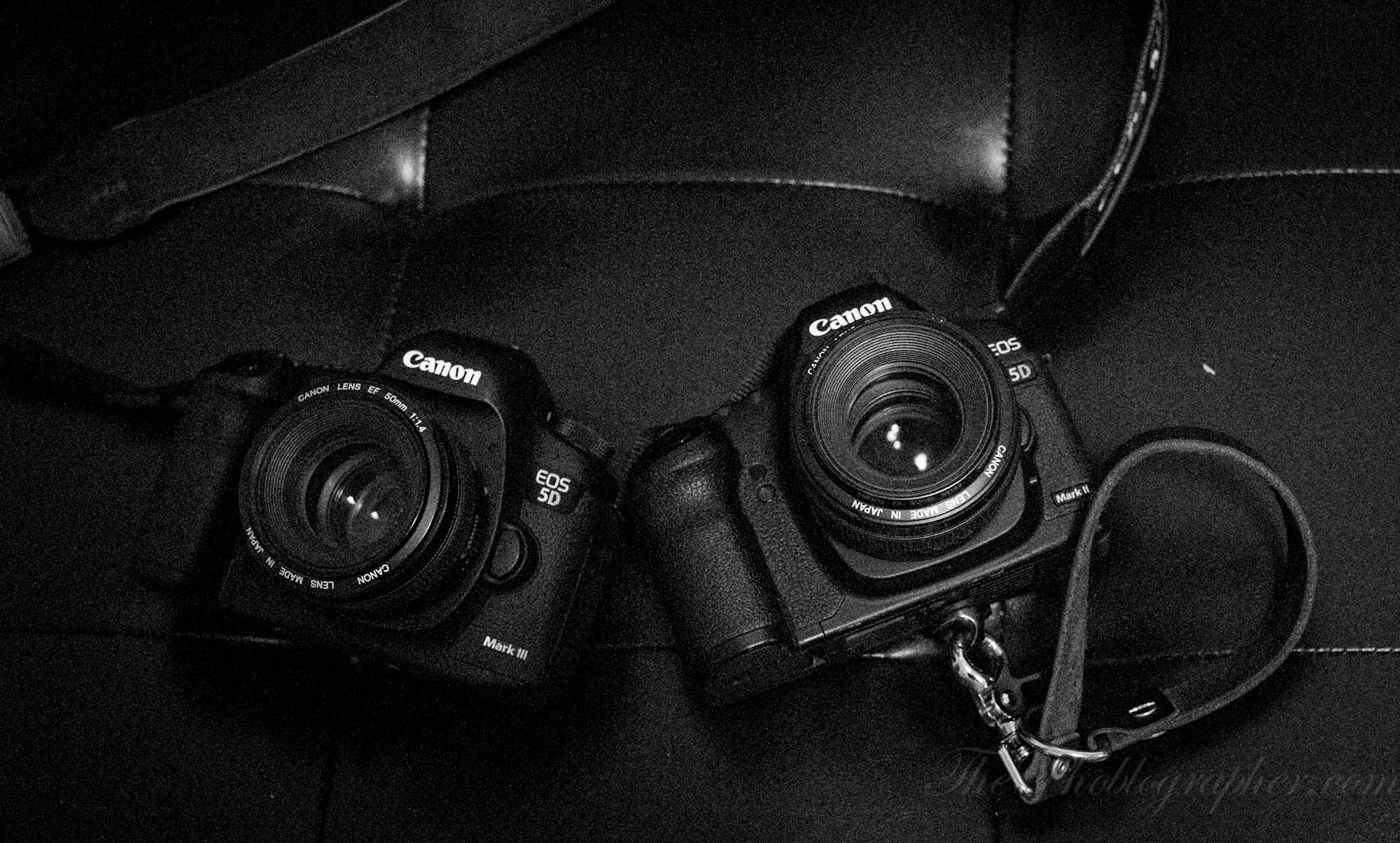
There is a quiet rebellion happening in photography, and it has nothing to do with film. The recent reflection on returning to the retro digital era, shooting the way we did when the Phoblographer first started, is a reminder that the tool should never overshadow the eye. We have watched mirrorless cameras evolve into computational marvels, but somewhere along the way, we handed over the creative steering wheel to the machine. The argument is simple: the camera is doing too much, and we have forgotten how to see. It is a call to strip away the auto-everything and embrace the limitations that once made images feel alive. This resonates deeply with the same impulse that drives Capturing Cosmic Beauty: An Astrophotography Journey with Nikon, where the challenge of low light demands intention rather than automation.
The practical takeaway here is not about rejecting modern gear, but about reclaiming a workflow that prioritizes discipline. When we shoot like it is 2008, we are forced to make decisions in the moment: setting the white balance, choosing the metering mode, and trusting the histogram instead of the LCD. This is not nostalgia for its own sake; it is a methodology. For our readers who feel overwhelmed by the endless menu diving and post-processing marathons, the retro digital approach offers a liberation. It is the difference between documenting a scene and interpreting it. We would tell anyone asking for advice to start by turning off their camera's noise reduction and shooting in raw, but then, and this is the key, to stop chimping and start bracketing manually. The joy is in the constraint.
What makes this perspective so refreshing is its alignment with a larger movement toward authenticity in the visual arts. Just as Experience Photography's Artistry: The 5 Boro Foto Fest Returns celebrates the craft of seeing over the spectacle of gear, this return to simpler digital processes reminds us that the best camera is not the one with the most megapixels, but the one that gets out of your way. And when we look at tools like Elevate Your Vision: PolarPro's Radial Filters Reimagine In-Camera Color, we see a parallel desire to capture a look without relying on the computer later. The industry is hungry for immediacy, for a photograph that is honest at the moment of capture.
The question that lingers is whether we have the will to slow down. The retro digital era is not about buying an old camera; it is about adopting a mindset. It is about accepting that some shots will be overexposed, some will be blurry, and that this imperfection is precisely what makes the image feel like ours. If we can resist the temptation to let the camera think for us, we might rediscover the thrill of the chase. Our advice is simple: take one camera, one lens, and shoot a day without reviewing a single image until you get home. The result will surprise you. You might just find that the less the camera does, the more you see.