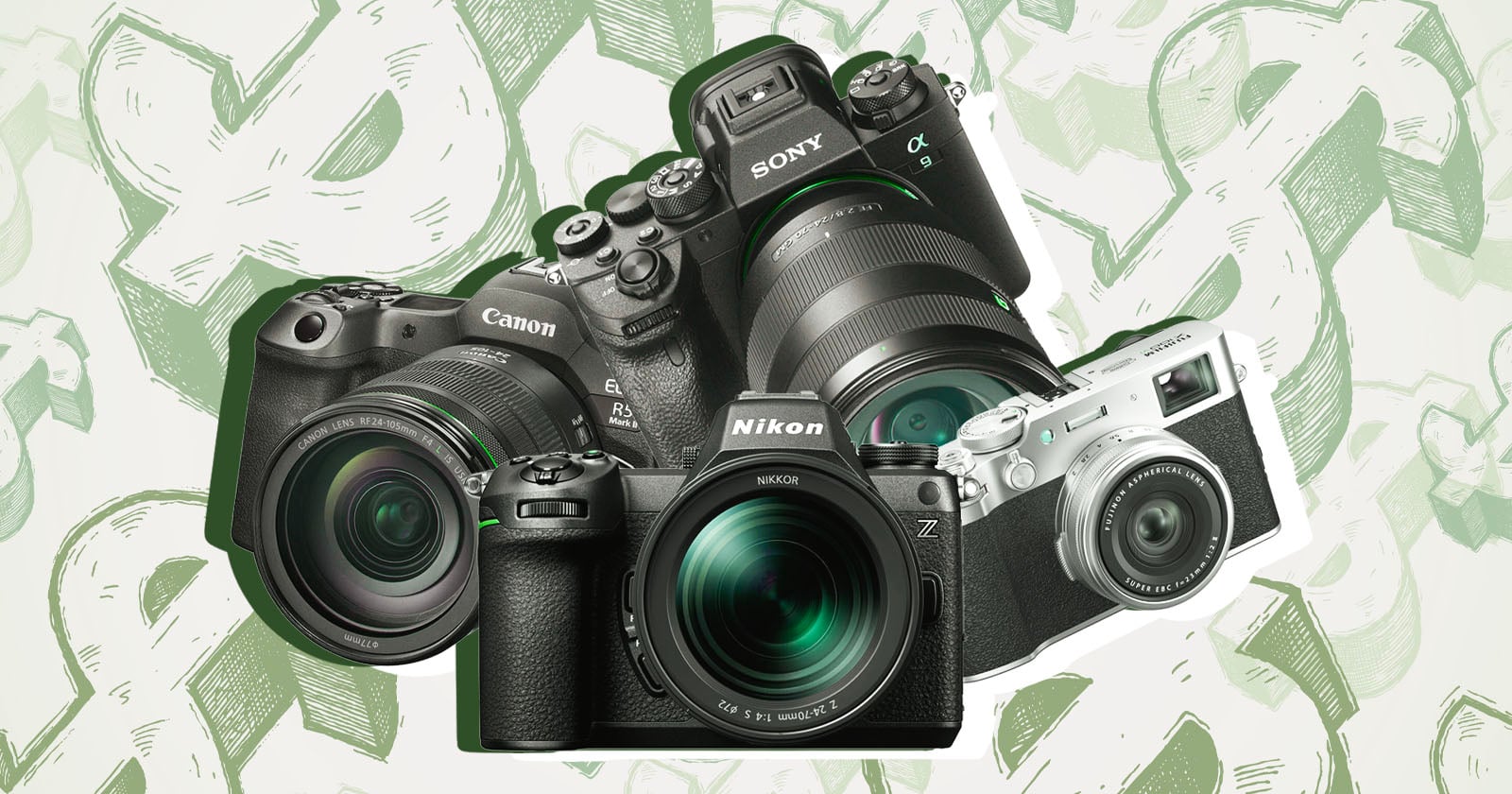
The recent developments surrounding tariff refunds for camera manufacturers like Canon, Nikon, and Sony present a moment of reckoning for the photography community. These companies increased their prices during the tariff period, attributing the hikes to rising costs associated with import tariffs. However, with the Supreme Court's recent decision to invalidate the IEEPA tariffs and the subsequent opening of a refund process by U.S. Customs for affected importers, a significant question arises: will these manufacturers pass on any refunds to the consumers who bore the brunt of these price increases? As we delve into this topic, we should consider the broader implications for the photography community, particularly in light of the ongoing discussions about the future of platforms like Flickr and the accessibility of photographic art.
Transparency is crucial in today’s market, especially in an industry where consumer trust is paramount. The photography community has been vocal about the challenges it faces, not just from rising costs but also from the evolving landscape of photography as a creative practice. When companies inflate their prices citing external factors, it can create a rift between them and their customers. Now that the opportunity for refunds exists, the expectation is that Canon, Nikon, and Sony will not only seek these refunds but will also ensure that a portion flows back to the photographers and enthusiasts who have supported them through these trying times. The lack of clarity around these potential refunds can lead to frustration and disillusionment, especially among those who are passionate about their craft and invest significantly in their equipment.
Moreover, the implications of this situation extend beyond mere financial transactions. It speaks to a larger narrative about the relationship between brands and their customers, particularly in creative industries where authenticity and connection are vital. As highlighted in discussions about re-edits and unedited photos, the photography community thrives on collaboration and mutual respect. If camera manufacturers fail to engage transparently about these refunds, they risk alienating a dedicated user base that seeks not just high-quality products but also a partnership grounded in trust and shared values.
As the photography community watches this situation unfold, it raises a compelling question: how can companies better serve their customers in times of uncertainty? The answer lies in a commitment to transparency and engagement. By openly communicating their plans regarding tariff refunds and demonstrating a genuine intention to support their customers, manufacturers can foster goodwill and loyalty. This moment could serve as a catalyst for reshaping the relationship between brands and consumers, encouraging a more collaborative approach to navigating challenges in the industry.
Looking ahead, it will be fascinating to observe how Canon, Nikon, and Sony respond to this opportunity. Will they embrace the chance to rebuild trust and demonstrate their commitment to the photography community? Or will they take a more cautious approach, potentially risking further disconnection from their customers? The answers to these questions will undoubtedly shape the future landscape of the photography industry and define how brands engage with their audiences in a rapidly changing world.