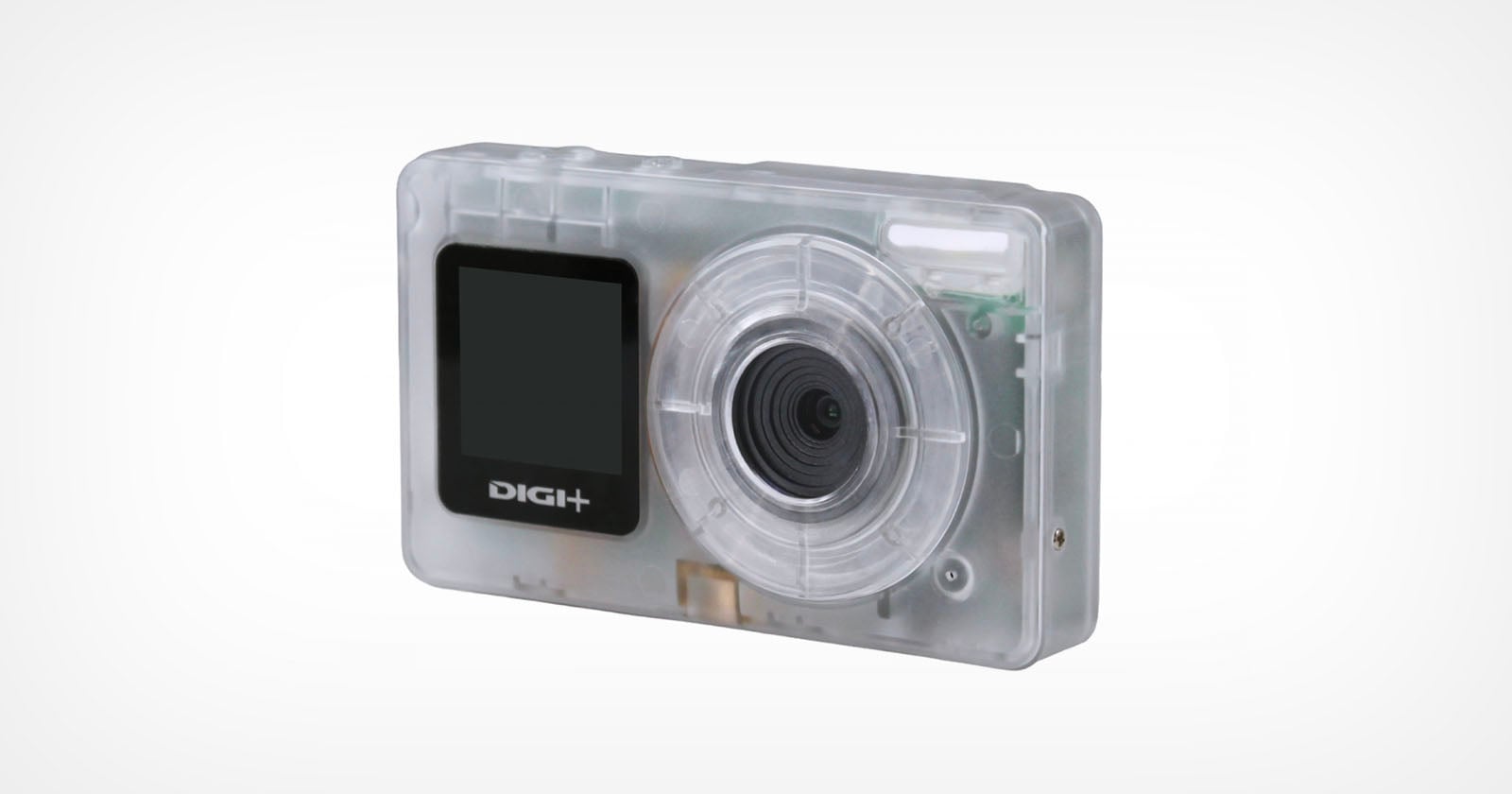
The resurgence of compact digital cameras isn't merely a nostalgic trend; it’s a fascinating reflection of shifting cultural priorities and a desire for tangible experiences in an increasingly digital world. We've seen this movement gain momentum, with savvy consumers seeking alternatives to the hyper-polished, often sterile, imagery dominating social media. The DIGI+ Dual Display Digital Camera DGP-DCM01, with its translucent body and selfie-friendly front screen, perfectly encapsulates this revival. It echoes the playful aesthetic of Y2K-era cameras, but with a contemporary twist, acknowledging the enduring appeal of analog aesthetics blended with modern functionality. As we explored in [Save Big on Cameras, Lenses, Lights, and More With the Best Fourth of July Photography Deals], the market is responding to this demand, offering accessible entry points for both seasoned photographers revisiting a familiar format and a new generation discovering the joy of point-and-shoot simplicity. The camera’s design, a deliberate nod to the past, suggests a yearning for a time when photography felt less performative and more spontaneous, a sentiment amplified by the increasing desire to disconnect from the constant curated feed of online life.
The inclusion of a front-facing display isn’t just a gimmick; it's a pragmatic response to the selfie culture that continues to shape visual trends. While many smartphones offer sophisticated front-facing cameras, the dedicated screen on the DIGI+ model provides a distinct advantage, allowing for more considered framing and composition. It's a subtle but significant distinction, appealing to those who appreciate a more intentional approach to self-portraiture. Consider the level of creative experimentation encouraged by the article [5 Easy Ways to Capture Creative Fireworks Photos], which demonstrates a desire to push creative boundaries even within established photographic formats. This camera appears to offer a similar avenue for playful exploration, albeit in a more intimate, personal context. The translucent body, revealing the camera's internal components, is a particularly compelling design choice. It’s an aesthetic declaration—a visible expression of the camera's mechanics, contrasting with the opaque, often inscrutable, technology that surrounds us. This transparency resonates with a broader cultural desire for authenticity and a rejection of manufactured perfection. The images captured with such a camera are inherently less polished, possessing a unique charm that separates them from the ubiquitous smartphone snaps.
Beyond the immediate appeal of the design and functionality, the DIGI+ camera signals a broader shift in how we engage with photography. It represents a move away from the expectation of flawless images and towards a celebration of imperfection and spontaneity. This aligns with a growing appreciation for analog processes and a desire to reclaim a sense of tactile connection with the creative process. It’s a deliberate rejection of the relentless pursuit of digital perfection, opting instead for a more human, relatable aesthetic. The recent unveiling of the X-Ray Telescope's stunning images celebrating America's 250th birthday [X-Ray Telescope Celebrates America’s 250th Birthday With Cosmic Fireworks] showcases the power of capturing the extraordinary through specialized lenses, and the DIGI+ camera, in its own way, empowers users to capture the ordinary with a newfound sense of artistry. The camera’s compact size and ease of use further contribute to its appeal, positioning it as an accessible tool for everyday creativity—a pocket-sized portal to visual storytelling.
Ultimately, the DIGI+ Dual Display Digital Camera DGP-DCM01 isn't just about taking pictures; it's about embracing a specific aesthetic and a particular ethos. It's a statement piece, a conversation starter, and a tangible reminder of a simpler time, reimagined for a modern audience. As technology continues to evolve at an unprecedented pace, will this renewed appreciation for compact, analog-inspired cameras endure, or is it merely a fleeting trend? More importantly, will this movement inspire further innovation in the design of accessible, creatively stimulating photographic tools that prioritize authenticity and user experience over sheer technological prowess?