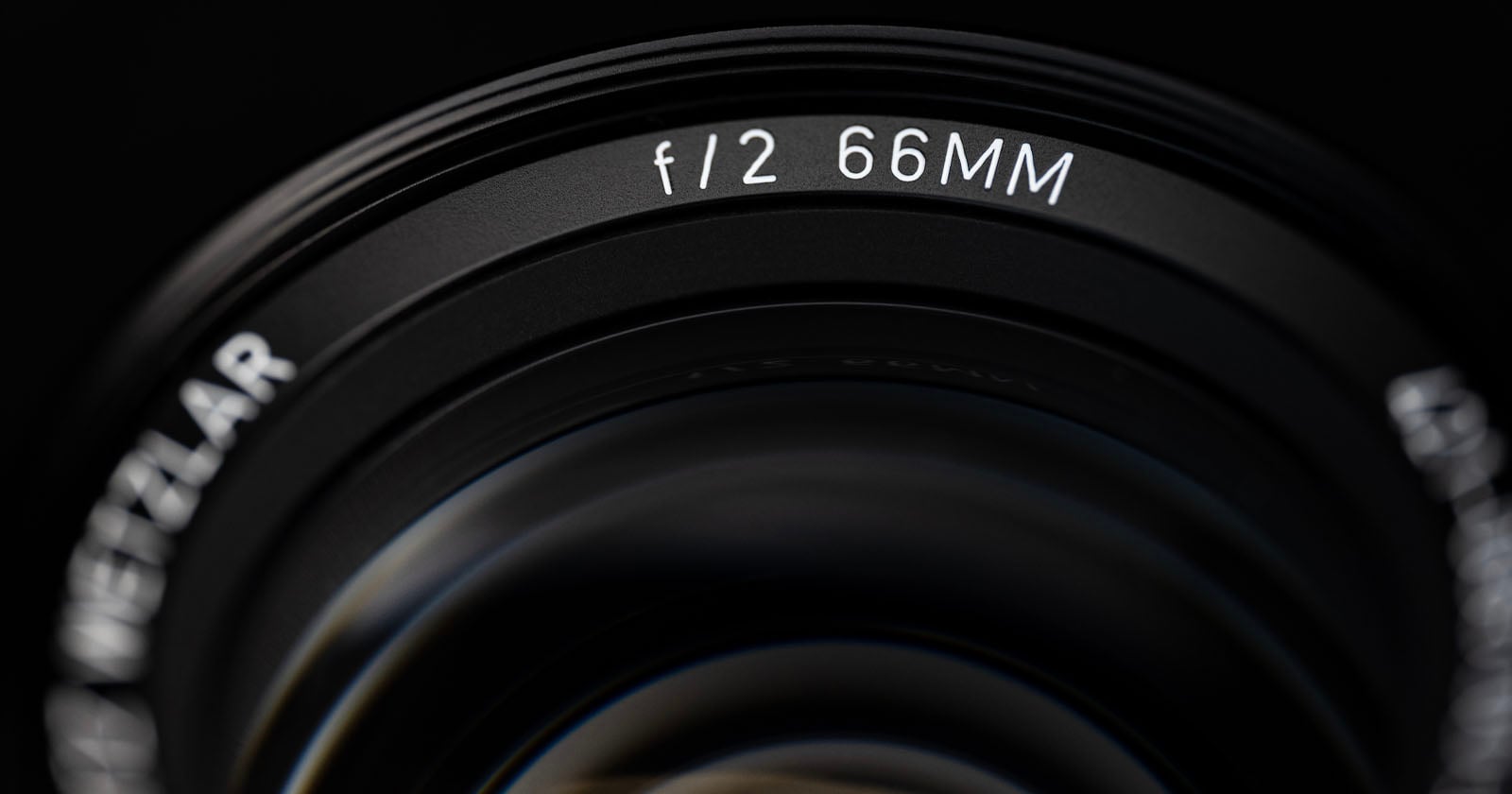
There is a particular poetry in a company like Leica choosing to revisit its own history, especially when that history is as shadowy as the Elcan 66mm f/2. This is not a nostalgia play for the masses; it is a quiet acknowledgment that some tools were so perfectly realized that they deserve a second life. The new Summicron-M 66mm f/2 arrives not as a reissue, but as a reinterpretation of a lens born in the late 1960s, a creation of Dr. Walter Mandler at Ernst Leitz Canada. For those of us who appreciate the intersection of engineering and art, this is less about a new piece of glass and more about a conversation with a ghost we are finally allowed to hold.
The original was a spy lens, a piece of equipment designed for discretion and precision. In bringing it into the modern M-mount world, Leica is making a statement that feels both bold and refreshingly understated. It is an invitation to slow down, to consider what it means to photograph with intent. For our readers, this is not a practical purchase for most, but it is a deeply meaningful one. It is a reminder that the best tools are not always the newest, but those with a point of view. We would tell anyone asking that this is a lens for the collector, the storyteller, and the purist who understands that character cannot be measured in a spec sheet. It is an aspirational object, but one that grounds itself in the authentic pursuit of a distinct image.
What strikes us most is the curation involved. Leica could have chosen any lens to revive; they chose this one. That decision speaks to a brand sensibility that values heritage as a living, breathing entity. In a market flooded with sterile, optically perfect lenses that often feel clinical, the Summicron-M 66mm f/2 offers a different promise: imperfection with soul. It suggests that the flaws we often try to edit out are sometimes the very elements that give a photograph its pulse. For the creative collaborator, this is a tool that will not just record a scene, but interpret it with a vintage warmth that is increasingly rare.
So, what should you watch for? The true test will be in the character of the out-of-focus areas and the way it renders highlights; these are the details that will reveal whether this lens carries the spirit of its predecessor or merely its name. We would advise our readers to see this not as a gear acquisition, but as a shift in perspective. It is a challenge to consider what you value in your own work. The concrete point to watch is the price point and its limited availability, which will inevitably create a buzz, but we hope that the conversation stays focused on the image-making potential it represents. This is not a tool for everyone, but for the right photographer, it could be the only voice they need.