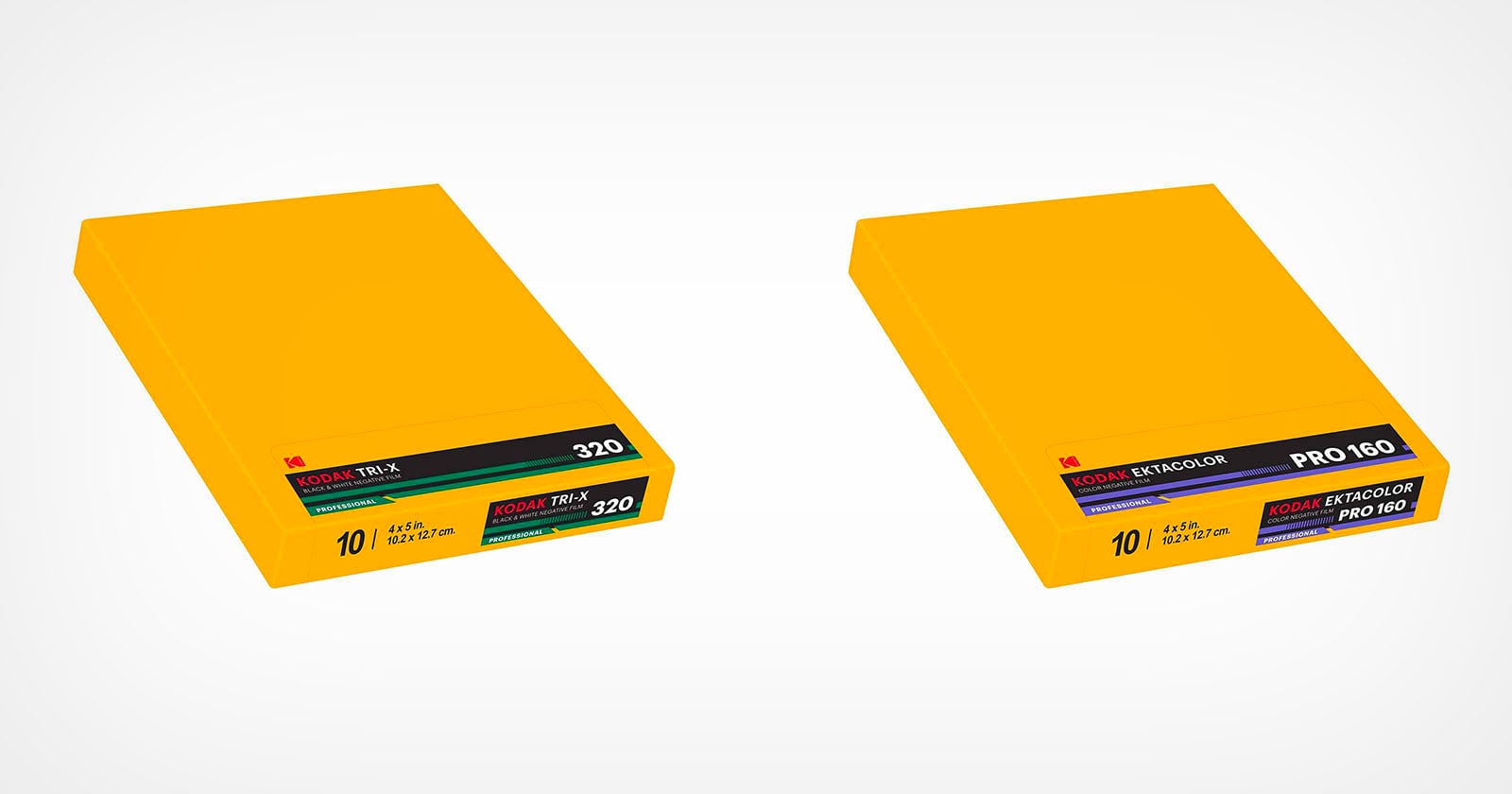
Kodak's latest move into large-format film and bulk rolls feels less like a nostalgic pivot and more like a quiet declaration. The company's strong financial results, paired with the release of new Tri-X 320 and Ektacolor Pro 160 sheet films, suggest a deliberate bet on a slower, more deliberate kind of image-making. We're not talking about a gimmick or a limited-edition nod to the past; this is a production-level commitment to a format that demands patience, precision, and a certain reverence for the craft. In an era where our phones capture everything and remember nothing, that's a statement worth unpacking.
For our readers who chase the decisive moment on the streets or lose themselves in the technical craft of the image, this development resonates on a deeper level. There's a throughline here that connects Kodak's large-format revival to the spirit we often celebrate in our own coverage, whether it's finding joy in the mundane on a city block or waiting hours for the perfect celestial alignment. That kind of work isn't about speed; it's about intention. And let's be honest, there's something profoundly countercultural about choosing a format that forces you to slow down, compose with care, and commit to a shot before you even press the shutter. It's the antithesis of the spray-and-pray approach, and it's a practice that can fundamentally change how you see.
Practically speaking, this is where the rubber meets the road. If you've ever flirted with the idea of moving beyond 35mm or medium format, this is your invitation. The availability of fresh large-format sheet film from a major manufacturer like Kodak isn't just a win for the die-hards with vintage view cameras; it lowers the barrier for curious newcomers willing to learn the rhythm of a dark cloth and a loupe. It also signals that the infrastructure, from chemistry to lab support, is likely to stick around a little longer. For those of us who've mourned the slow death of film's analog soul, this is a tangible, purchasable piece of hope. It's not a promise that every lab will start processing 4x5 again, but it's a clear signal that the market isn't just surviving; it's evolving.
What we'll be watching closely is whether this bold swing translates into broader availability and education. Will we see more workshops dedicated to large-format technique, or perhaps a resurgence of interest in the meticulous art of sheet film exposure? The pieces are in place for a genuine revival, but it requires a community willing to embrace the learning curve. So, if you're wondering whether to dip your toes into this deep end, our advice is simple: find a used 4x5 camera, pick up a box of that new Ektacolor Pro 160, and give yourself the gift of a single, perfectly considered frame. The question isn't whether Kodak's gamble pays off; it's whether we're willing to slow down enough to meet it halfway.