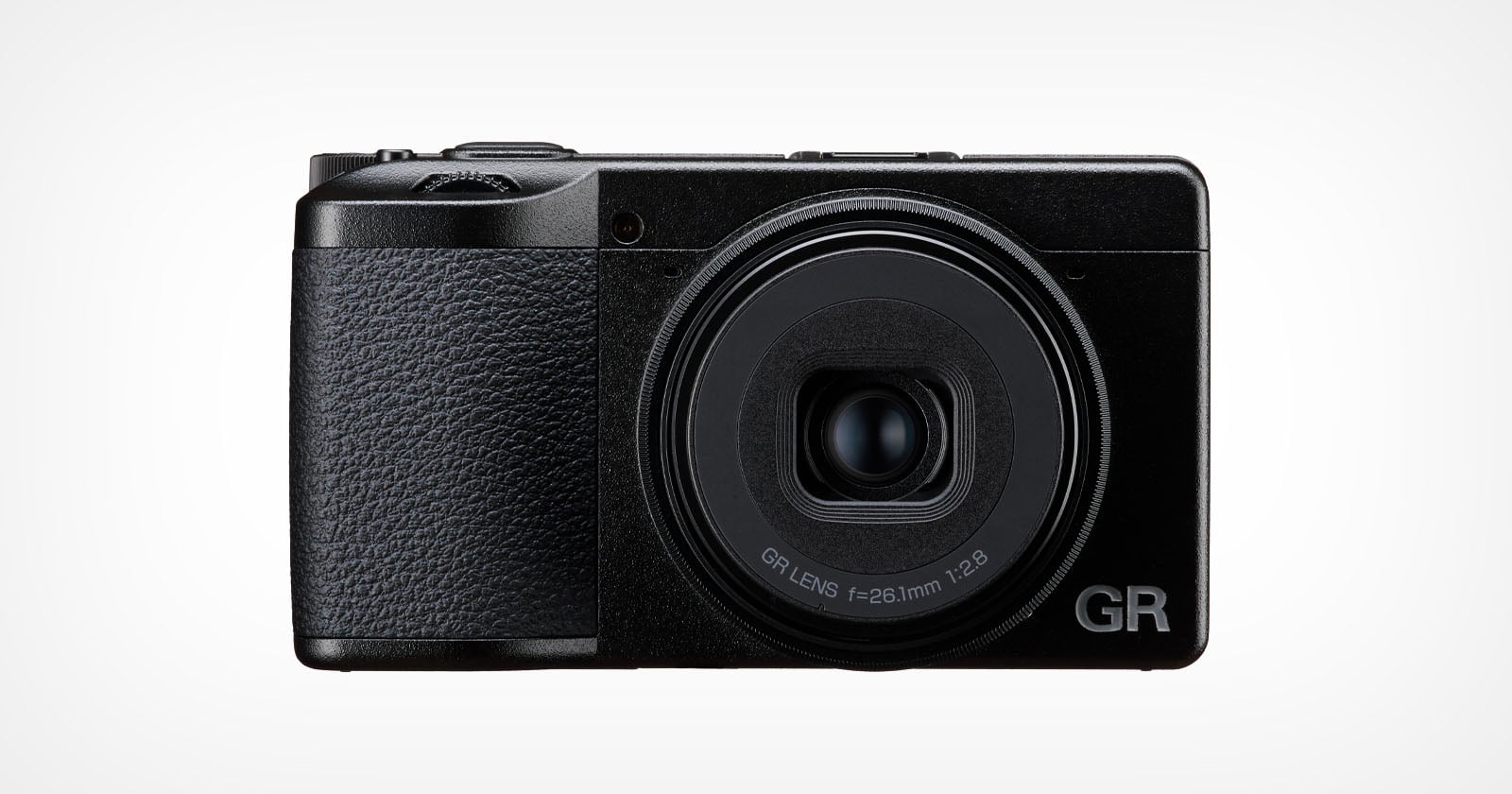
There is a quiet confidence in Ricoh's decision to develop the GR IVx, a camera that shares its 25.7-megapixel soul with the standard GR IV but sees the world through a 40mm equivalent lens. This is not a headline-grabbing upgrade or a spec-sheet flex. It is a curatorial statement, a whispered argument for a specific way of seeing. For those of us who believe street photography is as much about restraint as it is about reaction, the GR IVx feels less like a new tool and more like an invitation to slow down, to frame with intention rather than instinct. It is a deliberate narrowing of vision, and that narrowing is precisely the point.
In practical terms, this is the camera for the photographer who has already mastered the wide-angle reflex and craves the next conversation with distance. The 40mm equivalent is a subtle shift, but it is a profound one. It changes the relationship between subject and background, compressing space just enough to demand a more thoughtful approach to composition. For our readers, the ones who treat the street as a gallery of fleeting moments, this means a different kind of patience. You will not be able to lean on the exaggerated perspective that makes wide-angle shots feel effortlessly dynamic. Instead, you will learn to see the layers, the overlaps, the quiet intersections that a wider lens might blur into chaos. The GR IVx does not just give you a new focal length; it gives you a new vocabulary. And as we have written before about the Ricoh GR III’s cult following and the art of fixed-lens street cameras, we know that this kind of constraint often breeds the most authentic work.
Our honest take? This is not a camera for everyone, and that is exactly why we love it. In a market flooded with zoom-laden do-everything devices, Ricoh is doubling down on the philosophy that less is more. The GR IVx is a quiet rebellion against the ordinary, a choice to see the world through a lens that is neither wide nor long, but precisely in between. If a reader asked us whether to wait for this release or pick up the standard GR IV, we would say this: ask yourself what you want your images to say. If you crave intimacy with your subject, if you find yourself cropping your wide-angle shots to a tighter field, the GR IVx is worth the wait. If you prefer the sweeping narrative of a 28mm, the original remains a masterpiece. The choice is not about which is better; it is about which voice you want to speak with.
The real detail to watch here is how this 40mm focal length shapes the GR IVx's character in practice. A lens this specific will either sing or stumble, and the proof will be in the bokeh, the edge sharpness, and the way it renders the accidental poetry of a crowded sidewalk. We are not ones to predict perfection, but we are curious about the personality that emerges when a camera maker commits to a vision this narrow. For now, the GR IVx is a promise. And in a world of generic, ordinary choices, a promise this deliberate is something worth holding onto. The takeaway you can quote: "The GR IVx is a reminder that the best camera is not the one with the most features, but the one that changes how you see."