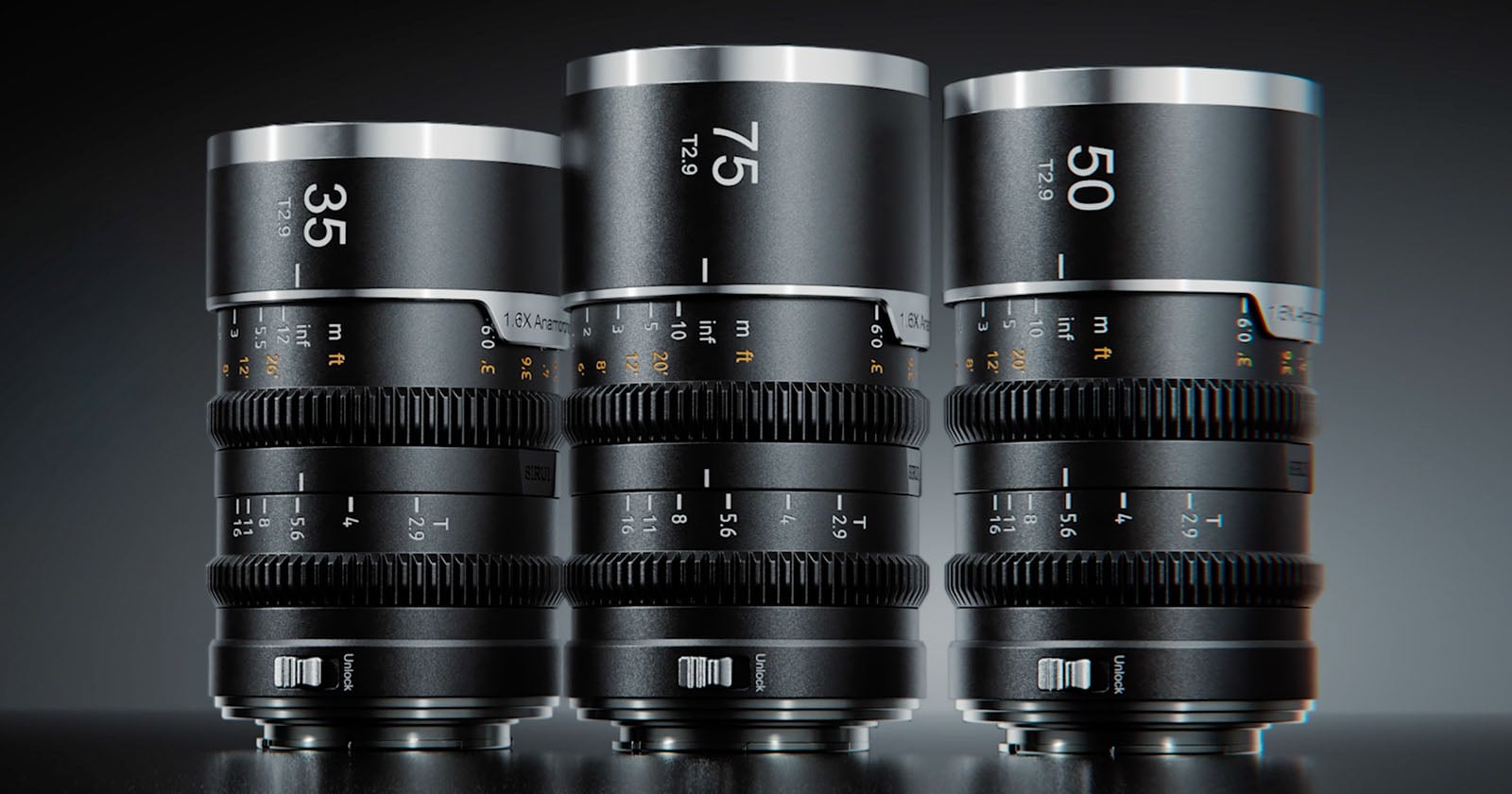
There is a particular kind of magic in tools that refuse to be boxed in. Sirui's Saturn V2 lenses, with their rotating mount that flips between horizontal and vertical shooting, feel less like a spec sheet update and more like an invitation to rethink how we frame the world. We have spent years watching creators contort their rigs, tilting monitors and craning their necks, all to serve a format that never asked for such awkwardness. This design quietly removes that friction. It is a small piece of engineering, but it carries a big implication: the story should dictate the orientation, not the other way around. That is a sentiment we can get behind, especially in an era where our screens have become vertical by default. It reminds us of the patience required in Capturing Cosmic Beauty: An Astrophotography Journey with Nikon, where the real skill is often in waiting for the right moment to align with the right tool.
For the working creator, this is more than a novelty. The Saturn V2 series, with its full-frame anamorphic character and that signature widescreen glow, already speaks to a certain cinematic language. Adding a seamless rotation means you are no longer choosing between two separate kits for two separate platforms. The same lens that captures a sweeping, horizontal interview can pivot to deliver an intimate, vertical close-up for a social feed without losing any of the visual texture. It is a practical answer to a very modern problem, and it feels aligned with the philosophy we explored in Experience Photography's Artistry: The 5 Boro Foto Fest Returns, where the craft is celebrated not through rigid rules but through the joy of experimentation. The takeaway here is simple: your creative flow should not be interrupted by a tool that demands you change your vision to fit its limitations.
What we appreciate most is the confidence in the design. Sirui is not just adding a swivel and calling it a day; they are acknowledging that the modern visual artist lives in two worlds. The vertical format is no longer a compromise, it is a primary canvas for millions. By building a lens that treats both orientations with equal seriousness, they are validating a shift that has been happening organically. If a reader asked us whether this is worth their attention, we would say this: watch how quickly this becomes a standard expectation rather than a premium feature. The practical consequence is that your rig becomes lighter, your setup faster, and your storytelling more fluid. You are no longer locked into a single axis of thought. The open question now is whether the rest of the industry is listening, because this feels less like a trend and more like the direction we were always heading. We will be watching to see who else decides to rotate their vision.