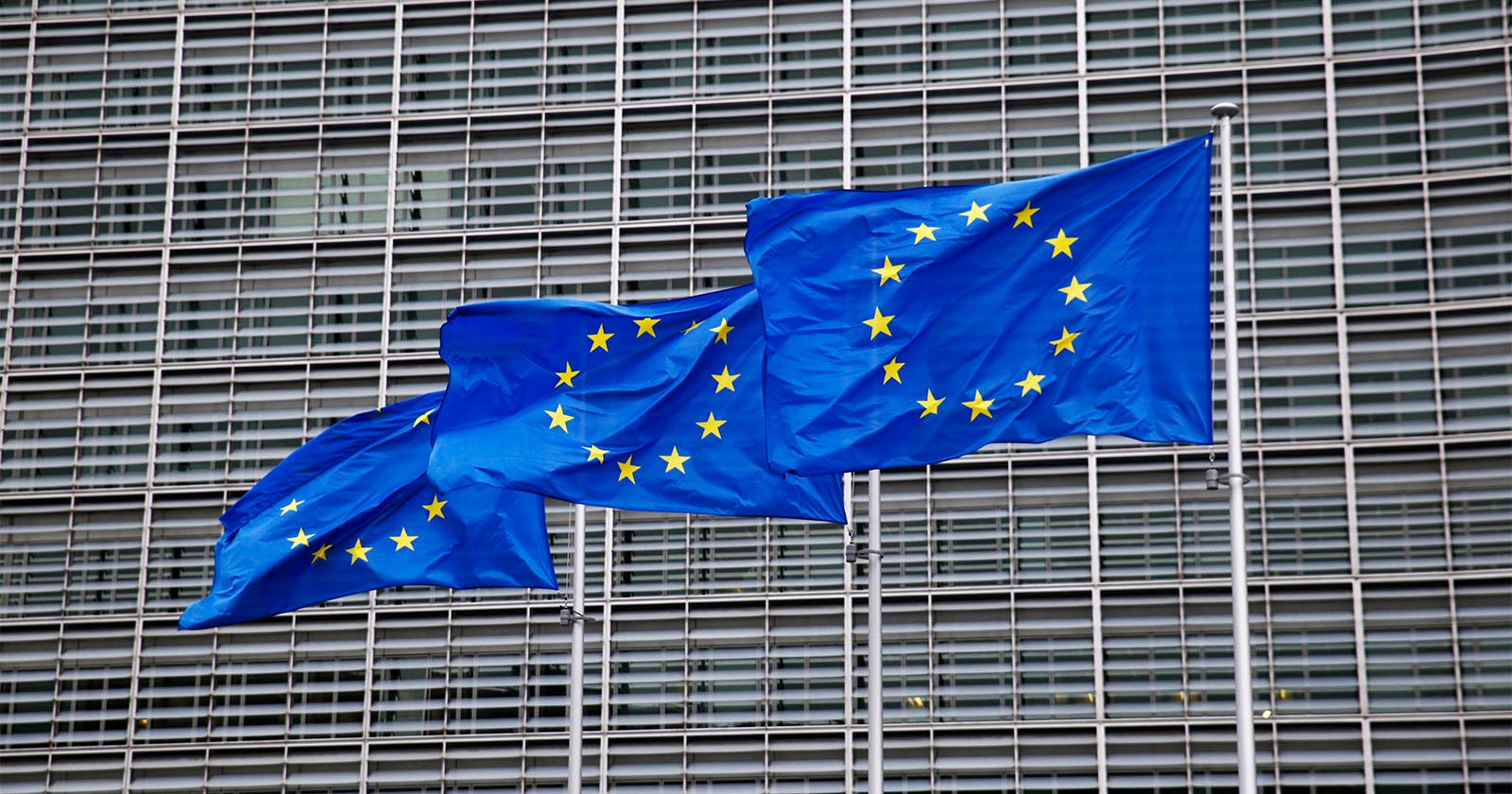
The European Union's proposal to restrict children's access to social media, online gaming, and certain AI services feels less like a bureaucratic maneuver and more like a cultural inflection point. For those of us who have watched the digital sphere mature from a wild frontier into a curated extension of our identities, this is a moment to pause. The EU is essentially asking us to reconsider what we are handing to the next generation, not just in terms of safety, but in terms of the very aesthetics of childhood. We talk about immersive experiences and vibrant communities, yet here is a reminder that some doors should remain closed a little longer, not out of fear, but out of respect for the slow, beautiful process of becoming oneself.
This is where the conversation gets interesting for our audience, because we are not talking about a generation that needs to be shielded from the world. We are talking about the architects of the future, the creative collaborators, the health-conscious tastemakers who will one day curate our feeds. The EU's move is a direct challenge to the assumption that more access equals more opportunity. It forces us to ask a harder question: are we building a digital environment that serves the child, or one that serves the platform? The related legal friction we have seen, such as the Meta Faces Legal Challenge Over Photo Harvesting for Facial Recognition, suggests that the industry's appetite for data is not always aligned with the user's well-being. And when we see the rise of Instagram Accounts Targeted: Copyright Scams and Extortion Schemes Rise, it becomes clear that the very tools we use to express ourselves can be weaponized against the vulnerable. The EU's proposal is not a rejection of the digital lifestyle; it is a demand for a more authentic, less extractive version of it.
For our readers, the practical takeaway is not about whether you agree with the age limits, but about how you navigate the spaces you already occupy. If you are a parent, an older sibling, or a mentor to a young creative, this is an invitation to model a more discerning relationship with technology. The curated experience you champion should not be a substitute for real-world discovery. Instead, it should be a complement, a tool that enhances rather than replaces the messy, unpolished moments of youth. We would tell you this: do not wait for a regulation to draw the line. Start by asking what you are curating for the younger eyes in your life. Is it a feed of perfection, or a space that allows for error, for boredom, and for the kind of creativity that cannot be quantified by likes? The EU's framework is a start, but the true safeguard is a culture that values the ordinary as much as the extraordinary.
The most significant detail to watch is not the age limit itself, but how the platforms respond. Will they design more thoughtful, less addictive experiences for younger users, or will they simply add a verification step that feels like a locked gate on a garden that should have been a playground? The proposal is a mirror held up to the industry, and the reflection is not yet clear. One specific consequence to track is whether this sparks a global standard or fragments the digital world further. We are leaning toward the former, but only if we, as a community, demand that safety is not a compliance checkbox but a creative constraint. The question is not whether we can protect our children, but whether we are willing to build a world where they do not need to escape us to find something meaningful. That is the only curated experience worth pursuing.