Samsung’s New Portable SSDs Look Great but Cost Up to $2,700
Our take
## Our Take: Samsung’s Bold Move in the Portable SSD Landscape
Samsung’s unveiling of the P9 and P7 portable SSDs signals a fascinating, albeit potentially polarizing, moment in the storage space. While the volatile flash memory market presents undeniable challenges, Samsung’s decision to push forward with high-performance, USB4-equipped drives demonstrates a continued commitment to premium offerings, catering to a specific, discerning audience. This isn't simply about faster data transfer speeds; it's about positioning themselves at the very apex of portable storage, a space increasingly vital for creative professionals and those demanding uncompromising performance on the go. The timing is interesting, especially considering the ongoing conversations around the evolving needs of content creators – we recently explored how photographers are adapting to cloud storage solutions Cloud Storage for Photographers – and the increasing reliance on external drives for video editing and large file transfers. Samsung's move suggests a belief that even with cloud options, a need for ultra-fast, local storage remains paramount, especially for workflows that demand immediate access and responsiveness. The price point, however, is a significant factor that warrants closer examination, potentially limiting the accessibility of these advancements.
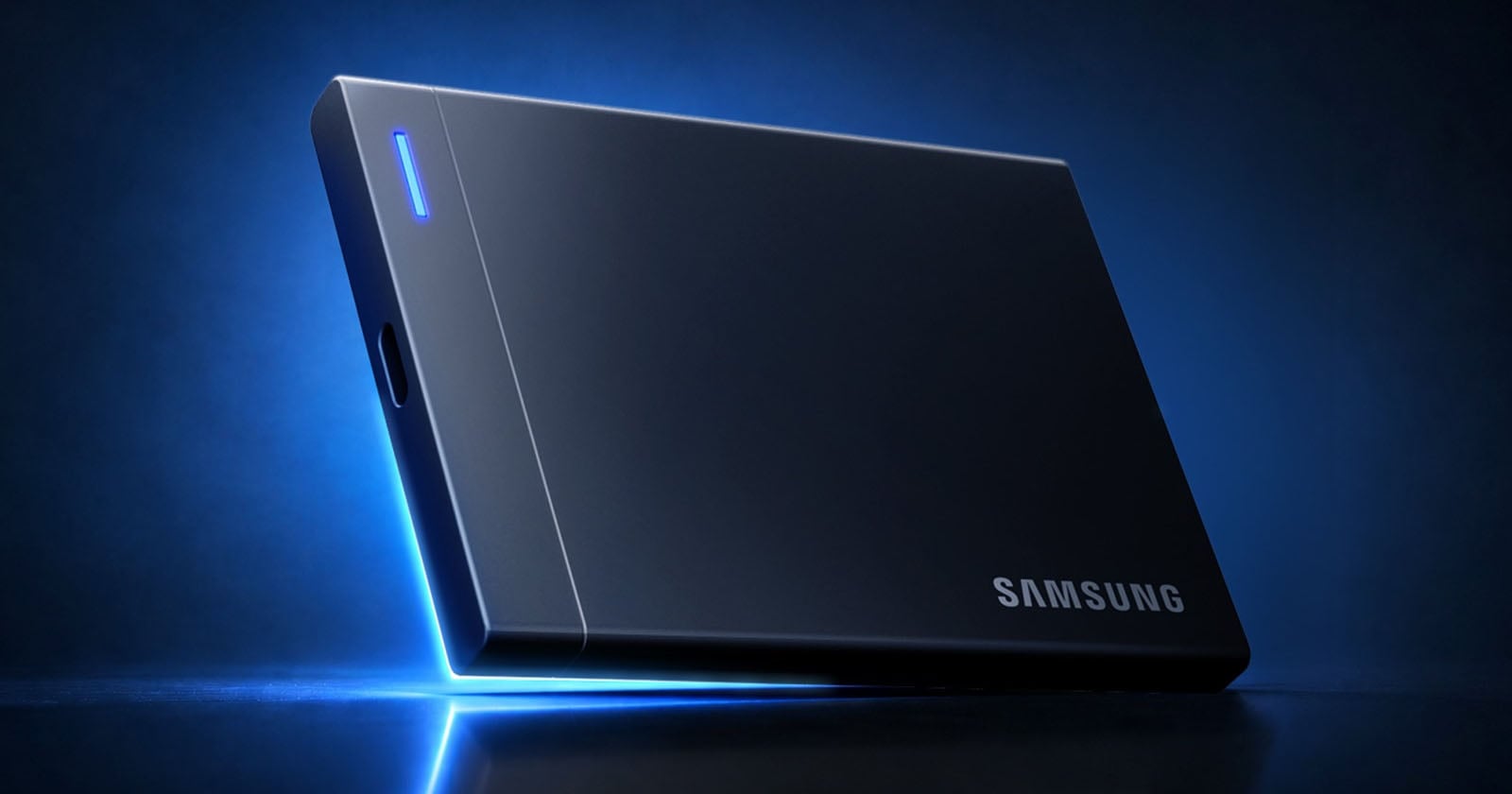
The inclusion of USB4 connectivity is arguably the most impactful aspect of this release. It’s not merely an upgrade; it’s a fundamental shift enabling significantly faster data transfer rates and opening doors for future compatibility with emerging technologies. While USB 3.2 Gen 2x2 offered incremental improvements, USB4 represents a substantial leap forward, allowing these SSDs to truly unlock their potential. Consider the implications for videographers working with 8K footage or photographers handling massive RAW image files. The ability to quickly offload and access these files is critical for maintaining a seamless workflow and avoiding frustrating bottlenecks. Furthermore, the sleek, aesthetically pleasing designs – as showcased in the PetaPixel article’s image – align perfectly with Samsung’s brand ethos of marrying form and function. This design focus isn’t just superficial; it reflects an understanding that for many users, particularly those in creative fields, the physical appearance of their tools is an extension of their personal brand. It’s a detail that sets Samsung apart from competitors prioritizing purely technical specifications. We've previously discussed the rising importance of design in tech accessories Design-Led Tech Accessories, and Samsung’s approach here underscores that trend.
The $2,700 price tag for the highest-capacity P9 model, however, immediately raises questions about market viability. While there's undoubtedly a niche audience of professionals who require the absolute fastest speeds and are willing to pay a premium, it’s a steep barrier to entry for most users. This pricing strategy suggests Samsung isn’t necessarily aiming for mass adoption, but rather to solidify its position as the leader in the high-end portable storage segment. It’s a calculated risk, betting that the performance benefits and premium design will justify the cost for a select group of power users. The P7, with its more moderate price point, likely aims to capture a broader audience seeking high performance without the extreme cost. Ultimately, the success of these new SSDs will depend on how effectively Samsung can communicate the tangible benefits of their speed and performance to potential buyers, demonstrating a clear return on investment for the premium price. It's worth noting that the wider portable SSD market continues to evolve, with competitors like SanDisk and Western Digital also pushing boundaries Portable SSD Comparison, so Samsung’s dominance isn’t guaranteed.
Looking ahead, the key question is whether this emphasis on ultra-premium, high-priced portable storage will become a defining trend in the industry. Will we see other manufacturers follow suit, creating a tiered market with increasingly expensive flagship models? Or will the demand for more affordable, high-performance options ultimately drive innovation in a different direction? The answer likely lies in the continued evolution of workflows and the increasing need for both speed and accessibility. Samsung’s gamble with the P9 and P7 provides a fascinating glimpse into the future of portable storage, a space poised for further disruption and innovation as technology continues to advance.
Samsung isn't letting the volatile flash memory market stop it from releasing blazing-fast new portable SSDs. The company's new flagship P9 and mid-range P7 SSDs feature USB4 connectivity and set a new performance benchmark for the South Korean tech giant.
Read on the original site
Open the publisher's page for the full experience