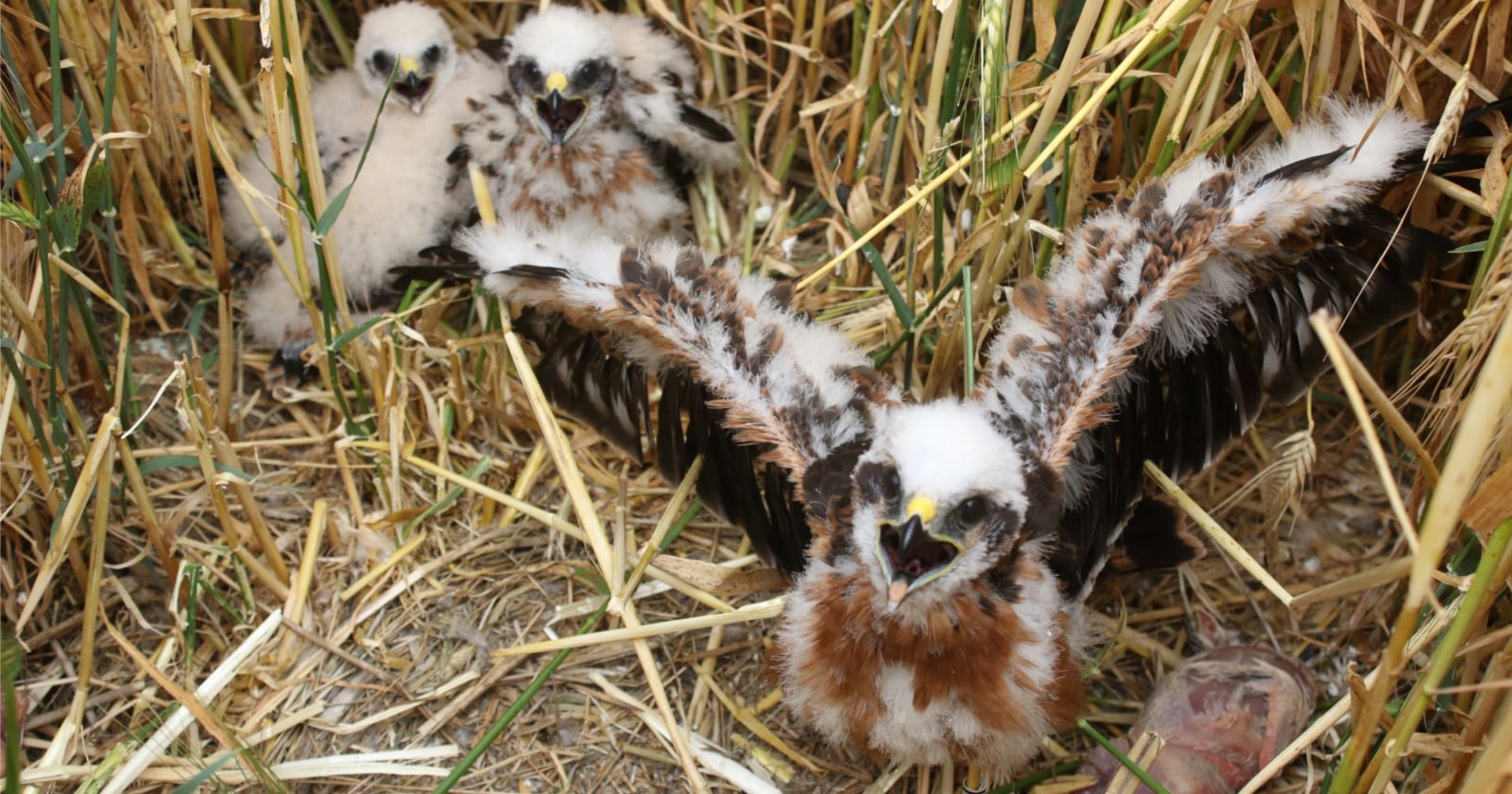
There is something quietly radical about the UK's rarest bird of prey being given the gift of anonymity. For a second consecutive year, this secretive raptor has bred successfully in a location deliberately withheld from the public, a choice made not out of shyness but out of necessity. The decision to keep the nest hidden is a direct response to the pressure of modern wildlife photography, where a single published image can turn a fragile sanctuary into a pilgrimage site. We understand the pull of a rare sighting, the thrill of capturing something fleeting. But this story asks us to sit with an uncomfortable truth: sometimes, the most respectful frame is the one we never take. This echoes the quiet discipline we admire in A Quiet Count: South Africa's Cheetah Population Reveals a Stark Reality, where data collection took precedence over spectacle, and patience became the truest form of stewardship.
The instinct to chase a perfect shot is not inherently wrong. We are a publication that celebrates the art of seeing, whether that is through the lens of a street photographer finding joy in candid moments, as explored in Finding Joy on the Streets, One Frame After Fashion, or through the cosmic patience required to capture the heavens in Capturing Cosmic Beauty: An Astrophotography Journey with Nikon. But there is a difference between seeking beauty and demanding access. The bird's guardians are not keeping this location secret to frustrate photographers; they are doing so because the alternative, a flood of eager visitors, would likely end the breeding attempt altogether. In this case, the story is not about the image we could have seen, but the life we are choosing to protect by looking away. It is a reminder that our presence, however well-intentioned, always leaves a mark.
What strikes us is the intentionality behind this decision. It is not a rejection of the public, but a redefinition of what meaningful engagement looks like. For the photographer, this might feel like a closed door. For the bird, it is the difference between survival and disturbance. This is where we find our honest take: we need more of this kind of restraint, not just in conservation, but in our broader visual culture. The most powerful image is not always the one that gets the most likes; sometimes it is the one that never gets taken, because the subject's well-being mattered more than the photographer's portfolio. If a reader asked us whether this level of secrecy is justified, we would say yes, without hesitation. The practical takeaway here is simple: respect the boundary, even when you do not understand it. The reward is not a photograph to share, but the knowledge that a rare creature continues to thrive, unseen, on its own terms. Watch for the conservation group's eventual update, because when they finally do choose to share the story, it will be on their timeline, not ours. That is the only frame that matters.