Scary Sight As Photographer Hit in the Head By Foul Ball During MLB Game
Our take
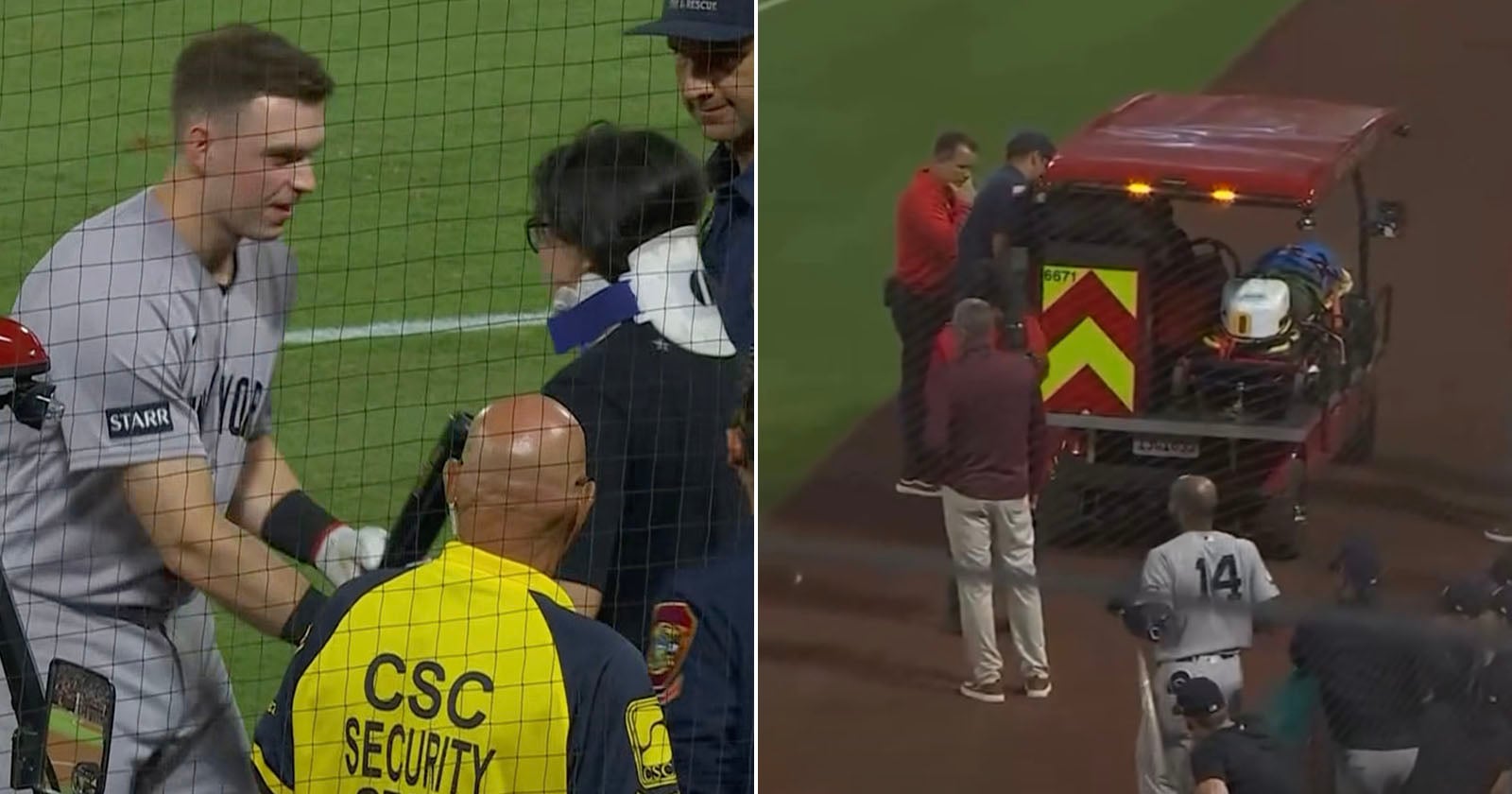
The incident at last night’s Yankees-Angels game, where a photographer was struck by a foul ball, serves as a stark reminder of the inherent risks faced by those documenting live sporting events. While the immediate concern is, thankfully, for the photographer’s well-being, the event sparks a broader conversation about safety protocols and the evolving role of visual content creators within the increasingly immersive fan experience. It echoes similar anxieties seen recently, such as when an umpire had to address influencers disrupting a US Open match for photo shoots [Umpire Tells Influencers to Stop Photo Shoot During US Open], highlighting a growing tension between capturing content and respecting the integrity of the event itself. The dedication and often precarious positioning required to obtain compelling images—whether at a baseball game or a tennis tournament—demand a reassessment of preventative measures.
The rise of social media and the demand for instant, high-quality visual content have fundamentally altered the landscape for sports photographers. The pressure to capture *the* shot, the one destined to go viral, can sometimes lead to individuals pushing boundaries, inadvertently increasing their exposure to potential harm. This isn’t solely about professional photographers either; the prevalence of smartphones and citizen journalism means that more individuals than ever are actively documenting events, often without the same safety training or awareness. The investment in robust protective measures, not just for professionals but for anyone actively capturing content at live events, is becoming increasingly vital. Considering the sheer volume of images captured during professional sports seasons—as evidenced by the AP’s reliance on Sony cameras to document over 130,000 NFL photos last season [AP Photographers Captured Over 130,000 NFL Photos Using Sony Cameras], speaks to the industry’s scale and the potential for such incidents. The incident also underscores the ongoing need for equipment innovation, potentially exploring solutions like improved protective gear or strategic positioning adjustments within venues.
Beyond the immediate safety concerns, this event highlights the delicate balance between providing an engaging fan experience and ensuring the well-being of those who contribute to that experience. Leagues and venues must proactively address this by reviewing and strengthening safety protocols, potentially incorporating enhanced protective barriers or designated photography zones. Furthermore, educating both photographers and fans about potential hazards and responsible content creation practices is paramount. The accessibility of professional-grade cameras, even in compact formats like the Sony FX5 [Third-Party Companies Are Fixing One of the Sony FX5’s Few Flaws], means that more individuals have the tools to capture high-quality content, making the need for comprehensive safety awareness even more pressing. It’s not about stifling creativity, but rather about fostering an environment where capturing the moment doesn’t come at an unacceptable risk.
Ultimately, the incident serves as a catalyst for a crucial industry-wide conversation. What responsibility do leagues and venues bear in protecting visual content creators? How can technology be leveraged to enhance safety without compromising the artistic integrity of the captured images? And, perhaps most importantly, how do we cultivate a culture of safety awareness within the increasingly dynamic world of sports photography and live event content creation? The immediate aftermath will undoubtedly focus on the photographer’s recovery, but the long-term implications demand a more comprehensive and proactive approach to safeguarding those who bring the energy and spectacle of live events to life.
A Major League Baseball (MLB) game between the New York Yankees and Los Angeles Angels was delayed last night in Anaheim after a photographer was hit in the head by a hard foul ball line drive.
Read on the original site
Open the publisher's page for the full experience